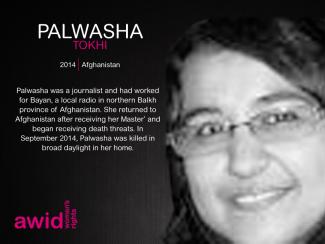
Palwasha Tokhi
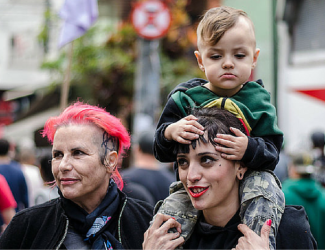
Over the past few years, a troubling new trend at the international human rights level is being observed, where discourses on ‘protecting the family’ are being employed to defend violations committed against family members, to bolster and justify impunity, and to restrict equal rights within and to family life.
The campaign to "Protect the Family" is driven by ultra-conservative efforts to impose "traditional" and patriarchal interpretations of the family, and to move rights out of the hands of family members and into the institution of ‘the family’.
Since 2014, a group of states have been operating as a bloc in human rights spaces under the name “Group of Friends of the Family”, and resolutions on “Protection of the Family” have been successfully passed every year since 2014.
This agenda has spread beyond the Human Rights Council. We have seen regressive language on “the family” being introduced at the Commission on the Status of Women, and attempts made to introduce it in negotiations on the Sustainable Development Goals.
AWID works with partners and allies to jointly resist “Protection of the Family” and other regressive agendas, and to uphold the universality of human rights.
In response to the increased influence of regressive actors in human rights spaces, AWID joined allies to form the Observatory on the Universality of Rights (OURs). OURs is a collaborative project that monitors, analyzes, and shares information on anti-rights initiatives like “Protection of the Family”.
Rights at Risk, the first OURs report, charts a map of the actors making up the global anti-rights lobby, identifies their key discourses and strategies, and the effect they are having on our human rights.
The report outlines “Protection of the Family” as an agenda that has fostered collaboration across a broad range of regressive actors at the UN. It describes it as: “a strategic framework that houses “multiple patriarchal and anti-rights positions, where the framework, in turn, aims to justify and institutionalize these positions.”
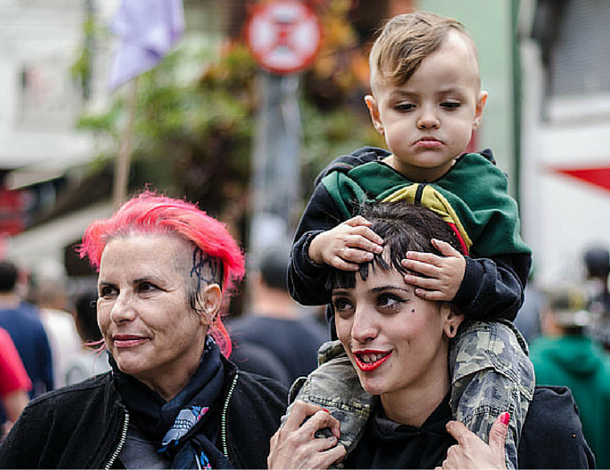
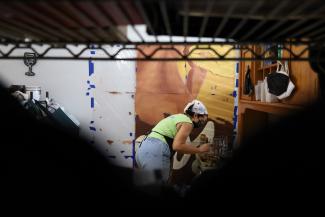
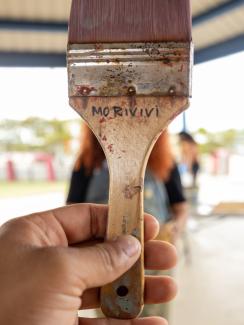
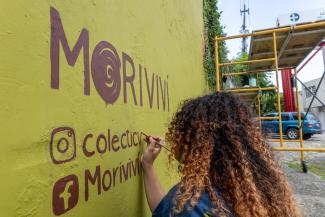
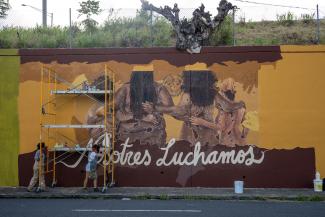
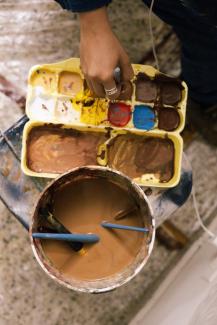
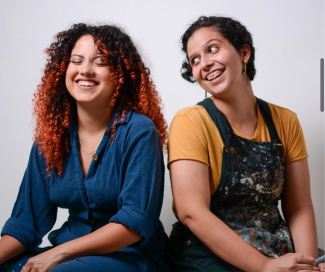
Colectivo Moriviví est un collectif artistique de femmes. Notre production artistique comprend du muralisme, du muralisme communautaire et des performances/actions de manifestation. Notre travail consiste à démocratiser l'art et à amener les récits des communautés portoricaines dans la sphère publique afin de créer des espaces où ils seront validés. Nous croyons qu’à travers l'artivisme, nous pouvons promouvoir la sensibilisation aux questions sociales et renforcer notre mémoire collective.
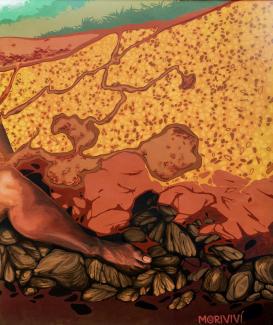
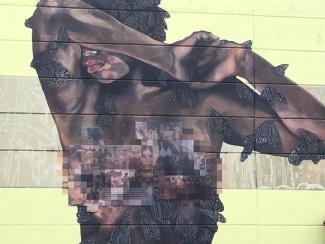
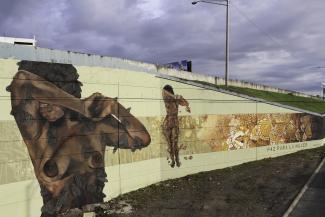
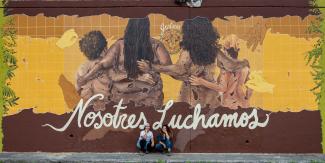
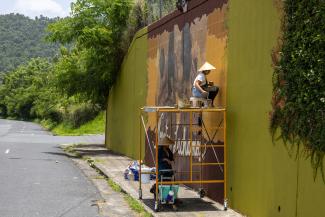
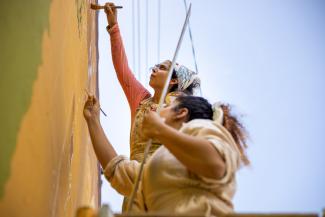
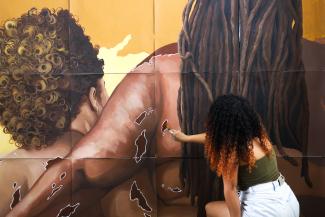
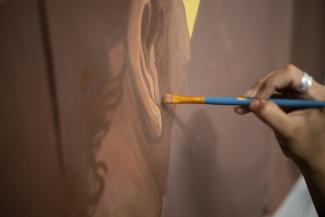
Dans le cadre de sa participation au Groupe de Travail d’Artistes d'AWID, le Colectivo Moriviví a réuni un groupe divers de membres, partenaires et personnel pour faciliter un processus collaboratif visant à imaginer, documenter et déterminer le contenu d'une fresque communautaire par le biais d'un processus de co-création en plusieurs étapes. Le projet a commencé par une conceptualisation à distance avec des féministes de différentes régions du monde réuni·e·s par l'AWID, avant d'évoluer vers sa re-contextualisation et sa réalisation à Porto Rico. Nous avons eu l'honneur de bénéficier de la contribution des artistes locaux·ales Las Nietas de Nonó(@lasnietasdenono), de la participation des femmes locales à la session de peinture communautaire, du soutien logistique de la municipalité de Caguas et du soutien supplémentaire du FRIDA | The Young Feminist Fund.
La fresque explore la transcendance des frontières en présentant les corps tels des cartes, dans une étreinte qui met en évidence l'intersection des différentes manifestations, pratiques et réalités féministes.
Nous remercions également Kelvin Rodríguez, qui a documenté et capturé les différentes étapes de ce projet à Porto Rico :
Nos solidarizamos unxs con otrxs, y con las distintas luchas por la justicia y las libertades. Procuramos movilizar y fortalecer la acción colectiva, y practicamos formas significativas de trabajar en conjunto.
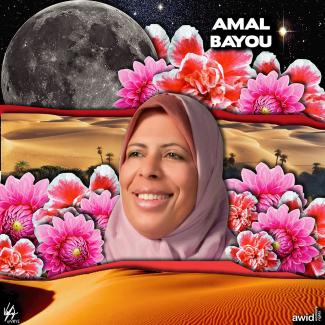
Amal était une femme politique et une parlementaire de premier plan en Libye.
Membre du corps professoral de l'Université de Benghazi de 1995 jusqu’à sa mort en 2017, elle militait par ailleurs au sein de la société civile et était membre de diverses initiatives sociales et politiques. Elle a aidé les familles des martyrs et des disparus et a été l'une des membres fondateurs-trices d'une initiative de jeunesse intitulée « Jeunesse de Benghazi en Libye ».
Lors des élections législatives de 2014, Amal avait été élue à la Chambre des représentants avec plus de 14 000 voix (le plus grand nombre de voix jamais obtenues aux élections de 2014). Amal restera dans les mémoires de beaucoup comme une femme politique qui a œuvré pour assurer un avenir meilleur dans l'un des contextes les plus difficiles et les plus conflictuels de la région.
O inquérito destina-se a grupos, organizações e movimentos que trabalham especificamente ou principalmente pelos direitos das mulheres, pessoas LBTQI+ e pela justiça de género, em todos os contextos, em todos os níveis e em todas as regiões. Se este for um dos pilares principais do seu grupo, da sua comunidade, da sua rede ou de qualquer outro tipo de organização, quer esteja registada ou não, seja nova ou já estabelecida, convidamo-lo a participar neste inquérito.

* De momento, não solicitamos respostas de indivídues ou de fundos feministas e de mulheres.
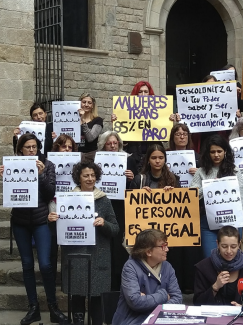
In the African Commission and the Inter-American System, anti-rights actors push essentialist notions of culture and gender to hamper progress on rights and undermine accountability. As we see, anti-rights actors are exerting influence in regional human rights systems, as well as international spaces.
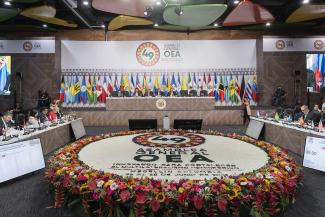
The African Commission on Human and Peoples' Rights has begun framing women’s and sexual rights as jeopardising its ability to deal with “real rights” and contrary to “African values”, setting a worrying anti-rights precedent. The withdrawal of the Coalition of African Lesbians’ observer status is an example of this trend, and points to the way space for feminist, Pan-Africanist engagement is being stifled.
In the Organization of American States (OAS) and the Inter-American Human Rights System, anti-rights strategies include the NGOization of religious groups, the use of secular discourses, and the co-optation of discrimination frameworks. Anti-rights influence has materialized in a number of ways, including the intimidation of trans activists and the blocking the introduction of progressive language in resolutions.
Nous œuvrons en faveur d’un monde fondé sur la justice sociale, environnementale et économique, ainsi que sur l'interdépendance, la solidarité et le respect. Nous travaillons au démantèlement des systèmes de pouvoir oppressif et contre toutes ses manifestations, y compris tout forme de patriarcat, de fondamentalisme, de militarisme et de fascisme, et le pouvoir des entreprises qui menacent nos vies et notre monde. Nous voulons un monde juste où le partage des ressources et celui du pouvoir permettront à chacun·e de s'épanouir.
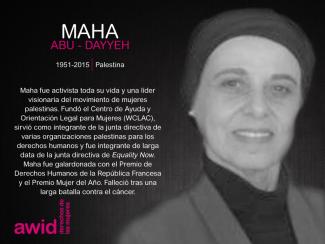
Affectionately known as “Mama Efua”, her work to end Female Genital Mutilation (FGM) movement spanned three decades and helped bring international attention and action to end this harmful practice.
In 1983 Efua co-founded FORWARD (The Foundation for Women’s Health, Research and Development), which became a leading organisation in the battle to raise awareness about FGM. Her 1994 book, “Cutting the Rose: Female Genital Mutilation,” is considered the first on FGM and, featured in Columbia University’s “Africa’s 100 Best Books for the 20th Century”.
Originally from Ghana and a nurse by training, Efua joined the WHO in 1995 and successfully pushed for FGM to go on the agendas of WHO member states. She also worked closely with the Nigerian government in formulating a comprehensive National Policy that laid the groundwork for Nigeria’s anti-FGM laws, still in place today.
Her ground breaking work culminated in an Africa-led campaign, “The Girl Generation,” which is committed to ending FGM within a generation. Efua demonstrated how one person can become the unifying voice for a movement, and her wise words - “shared identity can help bring activists from different backgrounds together with a common sense of purpose” – are more relevant than ever.
¿Estás buscando trabajo? Una de las ventajas de unirse a la Comunidad AWID es tener acceso a nuestra bolsa de empleos co-creada por la comunidad. Podrás explorar nuevas oportunidades y también tendrás la oportunidad de compartir vacantes y convocatorias de propuestas con todos los miembros.
Meet Sabrina Sanchez, remarkable trans migrant woman, sex worker, organizer, transfeminist and one of the founders of the union OTRAS.
Originally from Mexico City, she migrated to Spain 17 years ago after getting a degree in communications and started working as a sex worker.
It didn’t take long before she became involved with trans activism and sex worker activism in Barcelona. After joining the collective Asociación de Profesionales del Sexo (Association of Sex Workers, Aprosex), she started working in its secretariat and founded the Spanish sex workers union OTRAS.
She currently lives in Amsterdam where she works as the coordinator of the European Sex Workers’ Alliance.
Fun fact: she’s also a car mechanic and serious runner!
The theme of the 14th AWID International Forum is: “Feminist Realities: our power in action”.
In this Forum, we will celebrate and amplify powerful propositions that are around us, in all stages of development.
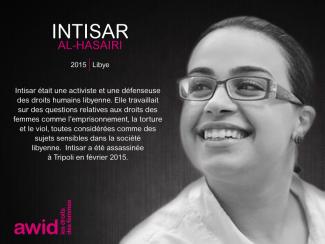
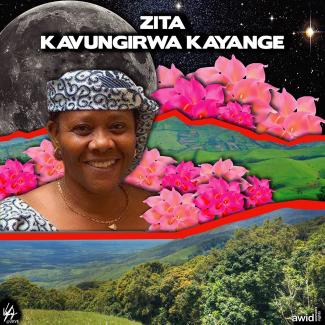
Zita fue una activista por los derechos de las mujeres que defendió los derechos de las mujeres rurales en el Gran Kivu.
Fue la primera directora ejecutiva de UWAKI, una organización de mujeres muy conocida. A través de su trabajo con la Red de Mujeres por los Derechos y la Paz (RFDP) y el Foro de Mujeres por la Paz de Kivu del Sur, dedicó su vida a ayudar a restablecer la paz en la zona oriental de la República Democrática del Congo. Se manifestó firmemente en contra del uso de la violencia sexual como arma de guerra.
En 2006, se propuso como candidata en las primeras elecciones democráticas del país. Aunque no ganó, siguió defendiendo los derechos de las mujeres y la comunidad de Kivu del Sur la recuerda con cariño.
Alors que nous affrontons de multiples crises dans le monde entier, nos mouvements œuvrent sans relâche à construire une influence qui dépasse les structures de pouvoir traditionnelles. La vague de décrets présidentiels américains vise à nous intimider, mais aucune idéologie fasciste, quelle que soit son ampleur, ne peut effacer notre existence et notre résistance.
Nous vous invitons à rejoindre la campagne de solidarité pour dénoncer et résister aux forces fascistes qui sapent les mouvements féministes et de justice de genre dans vos communautés !

ترجمة رولا علاء الدين
 |
جوريما آراوْخو، معلّمة وشاعرة من ريو دي جانيرو. ساهمت في مجلة Urbana التي حرّرها الشاعران برازيل باريتو وسامارال، وفي كتاب Amor e outras revoluções “الحب والثورات الأخرى” مع العديد من الكتّاب الآخرين. بالتعاون مع أنجليكا فيراريس وفابيانا بيريرا، شاركت في تحرير O livro negro dos sentidos “الكتاب الأسود للحواس”، وهو مختارات إبداعية عن الحياة الجنسية للمرأة السوداء في البرازيل. جوريما عمرها 54 سنة. لديها ابنة وثلاثة كلاب وقطة والعديد من الأصدقاء. |
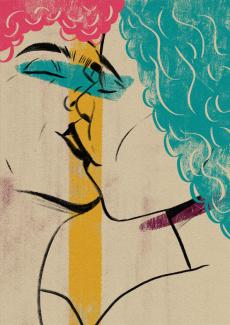
مَن يودّ المصّ معي؟المانغو هي الثمرة المفضّلة عندي. |
يومَ دعتني أنجليكا وفابي لأكون القَيِّمة على تشكيلة نصوص شبقية من تحرير نسوة سود لم أكن أعرف ما يعنيه عملُ القيِّم. الشبق ومشتقاته، هذه فهمتها جيداً، لكن عمل القَيِّم... ابتسمت تحت وطأة الخجل والإطراء. أظن أنّي شكرتهما، على الأقلّ آمل أنّي شكرتهما، وقلت في ذاتي: ماذا تعني هذه الكلمة اللعينة؟! حسناً، سأضطر إلى سَبر معاني هذا اللقب المُبهرَج وأنا أطبّقه.
اليوم، أنا على دراية بما يعينه عمل القيِّم. هو بمثابة ممارسة الحبّ مع نصوص شخصٍ آخر، مع فنّ شخصٍ آخر، بغية تجميع كتاب وتنظيمه. وهذا تماماً ما قمت به. عرّيت بشهوانية أدبية كلّ نصّ لكلٍّ من الكاتبات. تعمّقت في كلمات وحواس الآخرين. ولَجَتني قصائدُ لم أكتبها. حكايات ما كنت لأجرؤ على تخيّلها قلبتني رأساً على عقب وأربكت مشاعري وعبثت بشهوتي الجنسية. وكانت نشوةٌ رائعة وفريدة: سماويّة وجسمانيّة وسامية في آنٍ واحد، فكريّة وحسّيّة.
تنبض هذه النصوص كالبظر المنتصب رغبةً، رطبةٌ، ينسال منها الفرح مع كلّ قراءة. كلمات ابتلعتني بإيحاءتها اللعوبة، تأخذني أعمق فأعمق في هذا العالم الرّطب.
غطست هذه النسوة السود إلى قعرِ هَيْجِهنّ وحوّلن أعمق تخيّلاتهنّ الشبقيّة إلى فنٍّ.
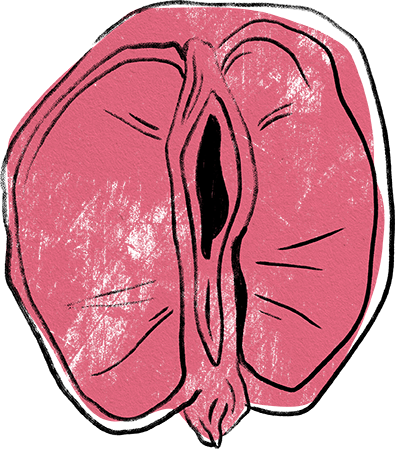
أُخْصِبَت هذه الأعمال بأسلوبِ كلٍّ من الكاتبات الخاصّ في التجربة الجنسانية، بحريّة، بسوداوية، بأنفسنا، بطريقتنا الخاصّة، بتمكّن.
اخترت أن أوزّع هذه النصوص في مختلف أجزاء الكتاب ونظّمتها بحسب محتواها الأكثر رقّة أو انفعالية أو بديهية أو ضمنيّة.
استهلالاً لهذا «اللبّ الأسود المفترج»، تأتي أقسام ’التمهيدات‘ (Preliminaries) بنصوصها التي تقدّم لمحةً للقرّاء عن عالم الأطايب هذا، وهي بمثابة لمسَة شاملة رقيقة تُعرِّف بالمواضيع التي تطرحها النصوص في باقي الكتاب.
يلي ذلك لهيبُ ’اللمس‘ (Touch) وهو جزءٌ يُعنى بكلّ ما تشعر به البشرة. تلك الطاقة التي تحرق أو تُثلِج أجسادنا، التي تفجّر هُرموناتنا وتوقظ حواسنا الأخرى. صحيحٌ أنّ كثيرين بيننا يستمتعون بشهوة التلصُّص، لكنّ ملامسة البشرة بالفم الدافئ والرّطب مثيرٌ، وهو كالتطواف في نعومة الآخر. تُغرينا اللمسة اللطيفة أو الحازمة وتجتاحنا القشعريرة، وذلك التوتّر الجميل الذي يسري من العنق إلى الظهر ولا يختفي إلا اليومَ التالي. ودفء الشفاه والفم واللسان الرّطب على البشرة، آه من حلاوة لسانٍ ينساب داخل الأذن، أو احتكاك الجلد بالجلد، والملابس تتموّج على الجسد وكأنّها امتدادٌ لليدّ. ولمّا يكون التروّي جزءاً من المتعة، وتعصف بك الإثارة بفعل قبضة مُحْكَمة وبعضٍ من الألم – أو الكثير منه، من يدري؟
أمّا ’الصوت‘ (Sound) – أو اللحن؟ – فيبيّن لنا أنّ الانجذاب يحصل أيضاً عبر حاسّة السمع: صوت الشخص، الهمسات، الموسيقى التي تشعل التواصل بين جسدٍ وآخر وقد تمسي محورَ الرغبة. فبالنسبة لبعضٍ منّا، لا يتطلّب الأمر إلّا الأوتار الصوتية لشخصٍ ذي صوتٍ جميل، فذاك الصوت الأجشّ أو العميق أو الرخيم يكون كممارسة الجنس سمعياً. أن نسمع سِبابَهم الصارخ أو كلامهم المعسول همساً في الأذن يكفي لتجتاحنا قشعريرة الإثارة من الرأس إلى أخمص القدميْن.
في ’المذاق‘ (Flavor)، نأتي إلى اللسان وهو الخبير في استكشاف الخبايا يجول هائماً على جسد الآخر ويتلذّذ. وأحياناً يُقحَم اللسان قحماً لتذوُّق رحيق الآخر. فكرة أن يُشاركنا أحدٌ فراولته أو مانغته الشهيّة الملأى، بالعضّ واللحس، أو اللحس ثم العضّ، فكرةٌ كفيلة بإذابتنا. لكن لا شيء يعلو على حلاوة تذوُّق جسد الآخر بكهوفه وتلاله. إقحامُ اللسان في العمق لتذوُّق الثمرة، أو قضاءُ ساعاتٍ في تذوُّق رأس القضيب في الفم، أو رضعُ ثدي شهيّ لتذوُّق الحلمة... كلّها أفعال تسعى إلى حفظ ’مذاق‘ الآخر في الذاكرة.
نجد أيضاً نصوصاً تصف كيف تُستثار الرغبة عبر الأنف. ’الرائحة‘ (Smell)، أعزائي القرّاء، قد توقظ فينا شهوات الرغبة. أحياناً نلتقي شخصاً رائحته عبقة لدرجة أننا نودّ التهامه بأنفنا. يريد الأنف أن يجول في أنحاء الجسد ويبدأ من العنق وآهٍ من الرعشة الحلوة التي تصيبنا وتعرّي الروح! يقلّ حياء الأنف فيتعمَّق ويلفّ حول العنق ليلتقط عَبَق رائحة الآخر فيحفظها. وفي غياب هذا الشخص، إن إلتقط الأنف رائحة شبيهة يحضر الشخص في ذاكرتنا، أو إن استحضرته الذاكرة تجتاحنا الرائحة والإثارة.
نصل إلى ’النظر‘ (Look)، وهو برأيي غدّار الحواس، ومن خلاله ندرك الرغبة من وجهة «نظر». هنا النصوص تصف الرغبة والإثارة عبر حاسة النظر التي توقظ باقي الحواس. أحياناً، ابتسامةٌ تكفي لِنُصاب بالجنون. تبادُل النظرات؟ تلك النظرة التي تقول «أريدك الآن». نظرة التملّك تلك التي لا تنكسر إلا مع انتهاء المضاجعة، وقد تدوم بعدها. هذه نظرة فريدة من نوعها، تجذب الآخر فيعجز عن إشاحة نظره لوقتٍ طويل. والنظرات المُسترَقة حيث يشيح واحدٌ بنظره ما أن يلتفت إليه الآخر كأنّهما في مطاردة كالقط والفأر. وما أن تلتقي الأعين وينفضح أمرنا جُلّ ما يمكننا فعله هو أن تنفرج أساريرنا بابتسامة فاغرة.
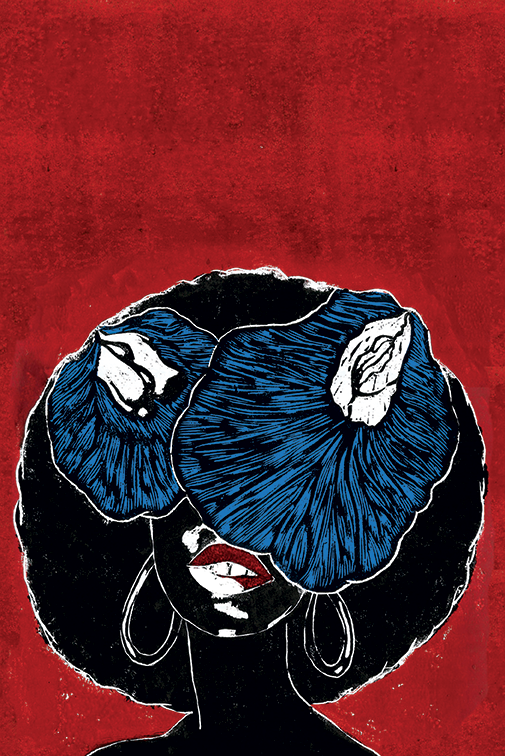
ختاماً، يأتي الانفجار في جزء ’الحواس كافة‘ (All Senses) حيث النصوص تمزج المشاعر لتبدو كحالة تأهّب لنصل إلى اللذة القصوى، إلى النشوة.
طبعاً، لا شيء يفصل بوضوح بين هذه القصائد والحكايات. بعضها رقيقٌ بتلميحه. الإثارة تُشغِل الحواس كافّة، والأهمّ أنّها تُشغِل الرأس، فهُنا مقام كلّ ما يحدث والجسد بكامله يستجيب. لقد نظَّمتُ القصائد وفقاً لما أثارته فيّ عند قراءتها، ولكم الحريّة في مخالفة رأيي هذا. لكن بالنسبة لي، الرغبة تنبع من حاسّة معيّنة ومن ثم تنفجر، وثمّة لذّة في تتبّع مسار الرغبة وتحديد أيٍّ من الحواس استقلّت.
إنّ القدرة على تحويل الإثارة إلى فنّ تعني تحرير أنفسِنا من الأحكام المسبقة والسجون ووصمات العار كلّها التي حبَسَنا فيها هذا المجتمع المُتمَحوِر حول العرق الأبيض.
كلّما تقوم كاتبة سوداء بتحويل الشبقيّ إلى فنّ فهي تخلع السلاسل العنصرية المؤذية التي تشلّ جسدها وتقمع جنسانيتها وتجعل منّا غرضاً لجشع الآخرين. إنّ كتابة الشعر الشبقيّ هي استعادة لسلطتها على جسدها وهي التنقّل بلا خوف بين ملذّات الرغبة من أجل ذاتها ومن أجل الآخرين ومن أجل الحياة.
الكتابات الأدبية الشبقيّة هي نحن عندما نتّخذ الشكل الفنّي. الشكل الذي يتيح لنا إظهار أفضل ما لدينا وآرائنا في الحبّ الملأى لذّة والمتبّلة بشهوة أجسادنا والتي تُترجَم عبر وَعْينا الفنّي. نحن متنوّعات، وهنا نشارككم هذا التنوّع في الأحاسيس عبر الكلمات المُشبَعَة إثارة. صحيح، حتّى كلماتنا ترشَح برغبتنا الجنسية وترطّب آياتنا وتجعل من شهواتنا قصائدَ. النشوة، بالنسبة لنا، إنجاز.
أن تكون عقولنا وأجسادنا وجنسانياتنا سوداء هو أمرٌ ضروري لاستئناف لذّتنا واستعادة نشوتنا. عندها فحسب نصير أحراراً. هذه العملية برمّتها إنجازٌ وهي لا تخلو من الألم. لكنّه من المفرح أن نجد أنفسنا في مكان مختلف جداً عن حيث تمّ وضعنا.
أشعر أنّي لكنّ/لكم، أنّي لنا. تذوّقوا هذه الكلمات العذبة معنا، تلذّذوا بها، ولْتَكُن وليمة.
هذا النص مقتبس من مقدمة كتاب «O Livro Negro Dos Sentidos» وهي تشكيلة قصائد شبقيّة لثلاثٍ وعشرين كاتبة سوداء.

This journal edition in partnership with Kohl: a Journal for Body and Gender Research, will explore feminist solutions, proposals and realities for transforming our current world, our bodies and our sexualities.
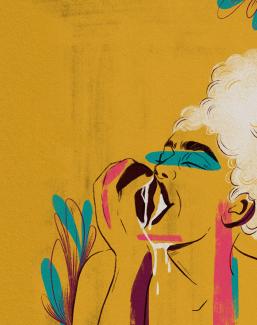
نصدر النسخة هذه من المجلة بالشراكة مع «كحل: مجلة لأبحاث الجسد والجندر»، وسنستكشف عبرها الحلول والاقتراحات وأنواع الواقع النسوية لتغيير عالمنا الحالي وكذلك أجسادنا وجنسانياتنا.