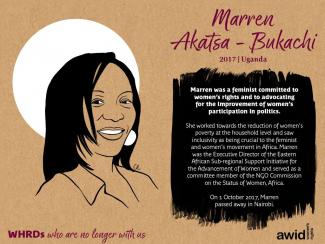
Marren Akatsa-Bukachi
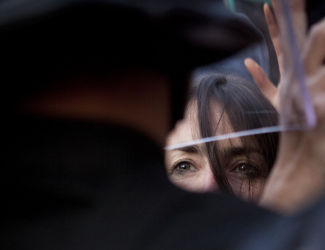
WHRDs are self-identified women and lesbian, bisexual, transgender, queer and intersex (LBTQI) people and others who defend rights and are subject to gender-specific risks and threats due to their human rights work and/or as a direct consequence of their gender identity or sexual orientation.
WHRDs are subject to systematic violence and discrimination due to their identities and unyielding struggles for rights, equality and justice.
The WHRD Program collaborates with international and regional partners as well as the AWID membership to raise awareness about these risks and threats, advocate for feminist and holistic measures of protection and safety, and actively promote a culture of self-care and collective well being in our movements.
WHRDs are exposed to the same types of risks that all other defenders who defend human rights, communities, and the environment face. However, they are also exposed to gender-based violence and gender-specific risks because they challenge existing gender norms within their communities and societies.
We work collaboratively with international and regional networks and our membership
We aim to contribute to a safer world for WHRDs, their families and communities. We believe that action for rights and justice should not put WHRDs at risk; it should be appreciated and celebrated.
Promoting collaboration and coordination among human rights and women’s rights organizations at the international level to strengthen responses concerning safety and wellbeing of WHRDs.
Supporting regional networks of WHRDs and their organizations, such as the Mesoamerican Initiative for WHRDs and the WHRD Middle East and North Africa Coalition, in promoting and strengthening collective action for protection - emphasizing the establishment of solidarity and protection networks, the promotion of self-care, and advocacy and mobilization for the safety of WHRDs;
Increasing the visibility and recognition of WHRDs and their struggles, as well as the risks that they encounter by documenting the attacks that they face, and researching, producing, and disseminating information on their struggles, strategies, and challenges:
Mobilizing urgent responses of international solidarity for WHRDs at risk through our international and regional networks, and our active membership.
Alexandra es una feminista anglo-colombiana con más de 20 años de experiencia en programas locales, nacionales e internacionales sobre VIH y salud y derechos sexuales y reproductivos. Posee amplia experiencia en movilización de recursos y en relaciones con los donantes con fundaciones filantrópicas privadas y organismos multilaterales en nombre de ONG internacionales, nacionales y locales, sobre todo en América Latina y el Caribe. Antes de AWID, Alexandra trabajó en la Fundación Si Mujer, que presta servicios de aborto feminista, y como educadora en Colombia, RedTraSex y la International HIV/AIDS Alliance.
Es Licenciada en Relaciones Internacionales y Estudios para el Desarrollo de la Universidad de Sussex y posee un Máster en Salud Pública de la Escuela de Higiene y Medicina Tropical de Londres. En los pocos momentos en que no está trabajando o maternando, adora practicar natación, comer y, recientemente, comenzó a jugar al Zelda: Breath of the Wild con su hijo.
No. Valoramos tu trabajo, pero no estamos buscando respuestas de personas a título individual por el momento.
What if we reimagined ways of caring for our communities?
What if the economy was not about someone else’s profit but about care for our individual and collective wellbeing? These stories are about building communities of care with and for people who are historically and presently excluded, disenfranchised and dehumanized by both state and society. These are the stories of feminists centering care in the economy.
Jemutai es una apasionada amante de las plantas que encuentra inspiración en el mundo natural y su intrincada red de interconexiones. Esta fascinación con las interrelaciones del universo se refleja en su abordaje del trabajo, la construcción de comunidad, el cuidado y el apoyo. Cree en la vibrante presencia de sus ancestres dentro de sí misme, y vive para experimentar, recordar, sostener, apreciar y celebrar sus luchas, triunfos y valores.
Como activista queer, interseccional, feminista y por los derechos humanos, Jemutai ha dedicado su carrera a abogar por la equidad y la inclusividad. Es une apasionade del desarrollo organizacional, con formación en otorgamiento de subvenciones y administración, y ahora está dedicade a crear experiencias de impacto para encuentros y a brindar liderazgo y apoyo operacionales, garantizando que los espacios sean inclusivos, seguros y organizados con precisión y cuidado.
Jemutai también es une firme creyente en la filosofía de Ubuntu: la idea de que «yo soy porque nosotres somos». Esta creencia en nuestra humanidad compartida y en nuestra mutua interdependencia configura su enfoque colaborativo y su compromiso con la promoción de un ambiente inclusivo y que fomenta el apoyo para todes y, en especial, para gente silenciada y marginada.
L’enquête est disponible sur KOBO, une plateforme en source libre de collecte, gestion et visualisation de données. Pour y participer, il vous suffit de cliquer ici sur le lien de l’enquête et de suivre les indications pour répondre aux questions.
.
Cuando lleguen al centro de São Paulo, verán el edificio de la Ocupação 9 de Julho, un sitio prominente en la lucha por la vivienda social y un importante espacio cultural. Este es el trabajo del Movimiento de Trabajadores Sin Hogar (Movimento dos Sem-Teto do Centro, MSTC), un movimiento de más de 2000 personas que actúa en el centro de la ciudad y convierte espacios abandonados en viviendas para trabajadorxs de bajos ingresos, niñxs, mujeres, adultos, ancianxs, migrantes y refugiadxs. En este edificio en particular, brindan comida y albergue a 122 familias.
Nos membres forment un réseau dynamique de personnes dans le monde entier. Ce sont des chercheur-euse-s, des universitaires, étudiant-e-s, éducateur-trice-s, militant-e-s, femmes et hommes d’affaires, des responsables politiques, des praticien-ne-s du développement, des bailleurs de fonds. Nos membres, de tous âges, font de l’AWID une association féministe mondiale unique.
Nous proposons divers types d’adhésions en fonction du niveau de revenus et selon que vous êtes une personne ou une organisation. À l’heure actuelle, nous comptons plus de 5 000 membres, individuel-lle-s et institutionel-lle-s, issu-e-s de 164 pays.
Nous collaborons aux plaidoyers sur des problématiques spécifiques ; nos membres votent à l’élection des membres de notre conseil d’administration et peuvent également participer à nos actions prioritaires par le truchement de webinaires, d’enquêtes, d’actions urgentes, pour ne citer que quelques exemples.
Nos membres institutionnel-le-s représentent des organisations qui souhaitent faire progresser la justice de genre et les droits humains des femmes. Il s’agit d’organisations de droits des femmes, de l’échelle locale à la scène mondiale, de réseaux communautaires, de grandes institutions internationales, de ministères gouvernementaux, de programmes universitaires, et bien plus encore. Quelque 63 % de nos membres proviennent des pays du Sud et 38 % ont moins de 30 ans.
There are 47 questions in total, of which 27 are mandatory* and the remaining 20 are optional. The majority of questions are multiple-choice. We invite you to respond to all the questions.

Asociación de Mujeres Afrodescendientes del Norte del Cauca (ASOM)
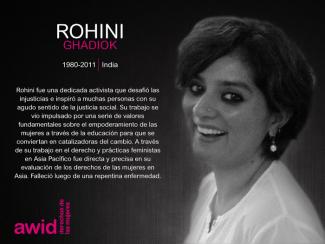
A number of men who share our commitment to feminism and women’s human rights are members of AWID.
Si deseas guardar las respuestas y retomar la encuesta más tarde, puedes hacerlo todas las veces que lo necesites. KOBO guardará tus respuestas en la esquina superior izquierda de la página de la encuesta y recargará tu registro cuando regreses a la encuesta. Solo asegúrate de continuar desde la misma computadora y navegador.

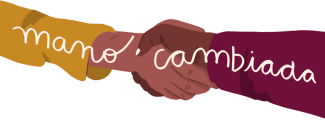
("exchange hand")
Term of the black communities of the Northern Cauca for the minga, the collective work based on solidarity and mutual support.