Jean-Marc Ferré | Flickr (CC BY-NC-ND 2.0)
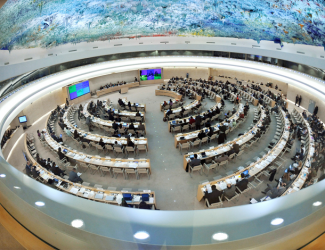
A general view of participants at the 16th session of the Human Rights Council in Geneva, Switzerland.

Human Rights Council (HRC)

The Human Rights Council (HRC) is the key intergovernmental body within the United Nations system responsible for the promotion and protection of all human rights around the globe. It holds three regular sessions a year: in March, June and September. The Office of the UN High Commissioner for Human Rights (OHCHR) is the secretariat for the HRC.

The HRC works by:

  • Debating and passing resolutions on global human rights issues and human rights situations in particular countries

  • Examining complaints from victims of human rights violations or activist organizations on behalf of victims of human rights violations

  • Appointing independent experts (known as “Special Procedures”) to review human rights violations in specific countries and examine and further global human rights issues

  • Engaging in discussions with experts and governments on human rights issues

  • Assessing the human rights records of all UN Member States every four and a half years through the Universal Periodic Review

Learn more about the HRC


AWID works with feminist, progressive and human rights partners to share key knowledge, convene civil society dialogues and events, and influence negotiations and outcomes of the session.
With our partners, our work will:

◾️ Monitor, track and analyze anti-rights actors, discourses and strategies and their impact on resolutions

◾️ Raise awareness of the findings of the 2017 and 2021 OURs Trends Reports.

◾️Support the work of feminist UN experts in the face of backlash and pressure

◾️Advocate for state accountability
 
◾️ Work with feminist movements and civil society organizations to advance rights related to gender and sexuality.
 

Related Content

Snippet Relive the Festival_Fest (EN)

Relive the Festival

Rising together - Logo and Button - FR

Appel à activités: Date limite prolongée jusqu'au 1er février 2024 !

Rejoignez la co-création du 15e Forum international de l’AWID à Bangkok, en Thaïlande.

Proposer une activité maintenant !

2009: la ONU celebra una Conferencia sobre el impacto de la crisis económica

Conferencia de la ONU sobre la crisis financiera y económica mundial y sus efectos sobre el desarrollo

  • Esta conferencia de 2009 fue un producto de la Conferencia de Doha realizada en 2008. La Declaración de Doha le había encargado a la ONU que el Presidente de su Asamblea General organizara una conferencia sobre la crisis financiera y económica mundial y su impacto sobre el desarrollo.
  • En esta conferencia los grupos de mujeres, a través del WWG, destacaron el impacto de la crisis financiera mundial sobre los grupos en situación de vulnerabilidad. En su declaración ante los Estados Miembros, el WWG les propuso acciones que consideraba necesarias para remediar los efectos de la crisis sobre las mujeres. También observó que otros grupos sociales afectados por la crisis son clave para una respuesta que esté en consonancia con los estándares y compromisos internacionales en materia de igualdad de género, derechos de las mujeres, derechos humanos y empoderamiento.

Snippet Love Letters from our Co-EDs and the Board (ES)

Cartas de amor de nuestra Junta Directiva y nuestras Co-Directoras Ejecutivas

Snippet - CSW68 - Responding to Anti-rights - ES

Respondiendo a los desarrollos antiderechos

en espacios multilaterales y regionales

✉️ Sólo invitades
📅Martes 12 de marzo
🕒2:00 p. m. - 3:30 p. m. EST

Organiza: Consorcio Observatorio de la Universalidad de los Derechos (OURs)
🏢Blue Gallery, 222 E 46th St, Nueva York
Janvier 2015: 1ère session de rédaction du document final de la 3ème Conférence sur le FdD

La première session de rédaction du document final de la troisième Conférence sur le financement du développement
  • À partir de janvier 2015, les sessions de rédaction du document final se sont succédé au siège de l’ONU à New York.
  • Avant la première de ces sessions, les co-facilitateurs du processus préparatoire de la Conférence d’Addis Abeba ont présenté un document récapitulatif (en anglais) en vue de la rédaction de la dite « version zéro » du document final. Ce document avait vocation à servir de base aux négociations intergouvernementales relatives au contenu du document final.
  • Pendant les sessions, des organisations de défense des droits des femmes ont mis l’accent sur la nécessité, au cours des processus relatifs à l’après-2015, d’aborder séparément le FdD et les modalités de mise en œuvre. À leurs yeux, le FdD offre une occasion unique aux États de s’attaquer aux causes structurelles des inégalités.  

Snippet FEA Tanta Gente sem casa (FR)

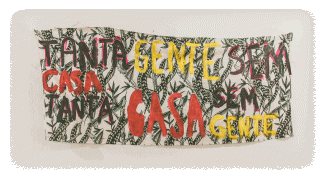
A graphic with green feather patterns on a beige background, text on it in Portuguese says “Tanta Gente sem casa. tanta casa sem gente” which means "So many people without a home,  so many homes without people"

« Tant de gens sans maison, tant de maisons sans personne. »

Snippet - CSW68 - AWID at CSW Post - FR

What is the United Nations Financing For Development Process?

The United Nations (UN) Financing for Development (FfD) process seeks to address different forms of development financing and cooperation. As per the Monterrey Consensus it focuses on six key areas:
  • Mobilizing domestic financial resources for development
  • Mobilizing international resources for development: foreign direct investment and other private flows
  • International trade as an engine for development
  • Increasing international financial and technical cooperation for development
  • External debt
  • Addressing systemic issues: enhancing the coherence and consistency of the international monetary, financial and trading systems in support of development. 

Snippet FEA Occupation’s kitchen Instagram (EN)

Occupation’s kitchen campaign:

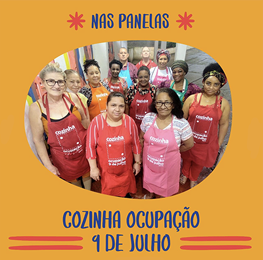
Photo of Cozinha Ocupação 9 de Julho team in aprons
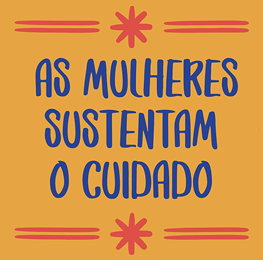
Yellow square that says "As mulheres sustentam o cuidado" or Women sustain care in Portuguese.
Yellow square that says "O cuidado sustenta a vida" or "Care sustains life" in Portuguese.
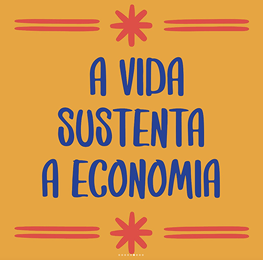
Yellow square that says "A vida sustenta a economia" or "Life sustains the economy" in Portuguese.
Yellow square that says: "Mas quen cuida das mulheres?" or "But who is taking care of women?" in Portuguese.
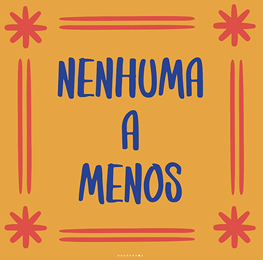
A yellow square that says "Nenhuma a menos" which translates to "Not another woman less"
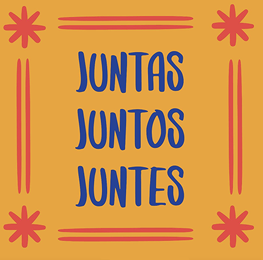
Yellow square that says "Juntas, Juntos, Juntes" which translates to "Together, together, together"
Yellow square announcing Sunday Lunch at the Occupation's Kitchen

Women sustain Care | Care Sustains Life | Life Sustains Economy | Who takes care of women?  | Not one less1 | Together | Sunday lunch

1Nenhuna a menos literally translates as “not one woman less” or “ni una menos” in Spanish - a famous feminist slogan in Latin America that emerged in Argentina as a response to increasing gender-based violence.

Snippet - WITM why - FR

Pourquoi devrais-je participer à cette enquête?

Can I submit a session proposal?

The call for session proposal is now closed.

We launched a Call for Activities on November 19 2019 and the last date to receive proposals was February 14, 2020. 

Find other ways to engage with the Forum