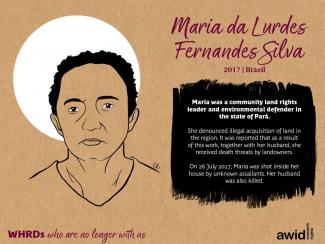
Maria da Lurdes Fernandes Silva
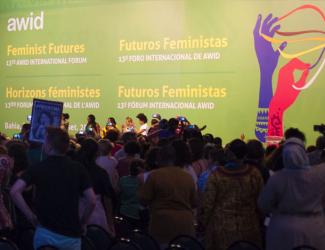
In September 2016, the 13th AWID international Forum brought together in Brazil over 1800 feminists and women’s rights advocates in a spirit of resistance and resilience.
This section highlights the gains, learnings and resources that came out of our rich conversations. We invite you to explore, share and comment!
One of the key takeaways from the 2016 Forum was the need to broaden and deepen our cross-movement work to address rising fascisms, fundamentalisms, corporate greed and climate change.
With this in mind, we have been working with multiple allies to grow these seeds of resistance:
And through our next strategic plan and Forum process, we are committed to keep developing ideas and deepen the learnings ignited at the 2016 Forum.
AWID Forums started in 1983, in Washington DC. Since then, the event has grown to become many things to many peoples: an iterative process of sharpening our analyses, vision and actions; a watershed moment that reinvigorates participants’ feminisms and energizes their organizing; and a political home for women human rights defenders to find sanctuary and solidarity.
Nuestra meta es alcanzar un total de 200 respuestas, prácticamente el doble de la cifra registrada en la última encuesta ¿Dónde está el dinero? de 2011.
I’ll admit it: when Angélica and Fabi invited me to curate a collection of erotic texts by black women, I didn’t know what curatorship was. I understood the erotic well, but curatorship...

Hospitals are institutions, living sites of capitalism, and what gets played out when somebody is supposed to be resting is a microcosm of the larger system itself.
لتجسيد قوتكم/ن كخبيرات عن وضع التمويل للحركات النسوية
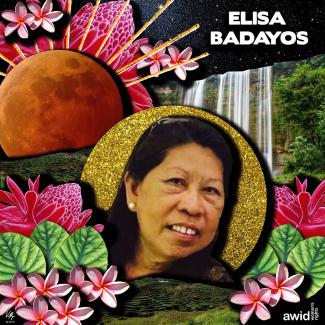
Elle organisait également les communautés urbaines pauvres dans la province de Cebu et travaillait avec Desaparecidos, une organisation de familles de disparu-e-s.
Le 28 novembre 2017, lors d'une mission d'enquête sur des violations des droits fonciers dans la région, Elisa et deux de ses collègues ont été abattu-e-s par deux hommes non identifiés à Barangay San Ramon, ville de Bayawan, dans la province de Negros Oriental.
Elle laisse quatre enfants derrière elle.
عندما يصبح عملنا المتجسّد مادةً ربحية في أيدي الأنظمة التي نسعى إلى إزالتها فلا عجب أنّ جنسانيّاتنا وملذّاتنا توضَع جانباً من جديد، لا سيّما أنّها ليست مُربِحة بما فيه الكفاية. لقد تساءلنا، في مواقف عدّة خلال إنتاج هذا العدد، ما الذي سيحدث إذا رفضنا مراعاة خدمات الرأسمالية الأساسية؟ لكن هل نجرؤ على هذا التساؤل وقد أنهكنا العالم؟ ربما يتمّ تجاهل جنسانيّاتنا بهذه السهولة لأنها لا تُعتَبَر أشكالاً من أشكال الرعاية. ربما ما نحتاجه هو أن نعيد تصوّر الملذّة كشكلٍ من أشكال الرعاية الجذرية، تكون أيضاً مناهضة للرأسمالية وللمؤسساتية.
Пожалуйста выберите язык, на котором вы хотите отвечать на вопросы в правом верхнем углу страницы
Если вы хотите узнать больше, присоединяйтесь к нашей встрече участников исследования «Где деньги?», которая пройдет 27 мая, понедельник, в 9:00 UTC – с синхронным переводом на французский и английский языки. 14:00 UTC – с синхронным переводом на испанский и английский языки.
Становиться участником (in English).
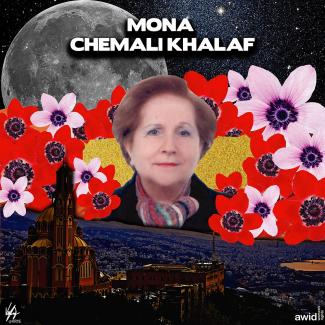
Mona was an economist and an independent consultant on gender and development issues.
She was a former Professor of Economics and Director of the Institute for Women's Studies in the Arab World at the Lebanese American University.
She passed away suddenly on January 6, 2018.
Friends and former colleagues say of Mona: “When we celebrate her life, the best thing we can do is commit to continuing what she started: gender equality no matter what.”