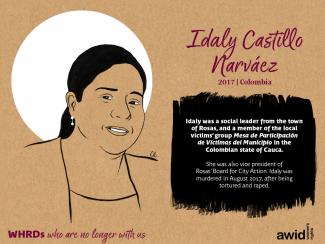
Idaly Castillo Narváez
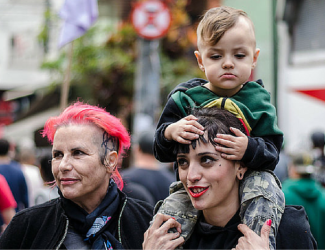
Over the past few years, a troubling new trend at the international human rights level is being observed, where discourses on ‘protecting the family’ are being employed to defend violations committed against family members, to bolster and justify impunity, and to restrict equal rights within and to family life.
The campaign to "Protect the Family" is driven by ultra-conservative efforts to impose "traditional" and patriarchal interpretations of the family, and to move rights out of the hands of family members and into the institution of ‘the family’.
Since 2014, a group of states have been operating as a bloc in human rights spaces under the name “Group of Friends of the Family”, and resolutions on “Protection of the Family” have been successfully passed every year since 2014.
This agenda has spread beyond the Human Rights Council. We have seen regressive language on “the family” being introduced at the Commission on the Status of Women, and attempts made to introduce it in negotiations on the Sustainable Development Goals.
AWID works with partners and allies to jointly resist “Protection of the Family” and other regressive agendas, and to uphold the universality of human rights.
In response to the increased influence of regressive actors in human rights spaces, AWID joined allies to form the Observatory on the Universality of Rights (OURs). OURs is a collaborative project that monitors, analyzes, and shares information on anti-rights initiatives like “Protection of the Family”.
Rights at Risk, the first OURs report, charts a map of the actors making up the global anti-rights lobby, identifies their key discourses and strategies, and the effect they are having on our human rights.
The report outlines “Protection of the Family” as an agenda that has fostered collaboration across a broad range of regressive actors at the UN. It describes it as: “a strategic framework that houses “multiple patriarchal and anti-rights positions, where the framework, in turn, aims to justify and institutionalize these positions.”
Consulta nuestra Guía Superbreve para organizar Festivales Feministas y otros eventos globales en línea.
لمزيد من الأسئلة، يرجى استخدام نموذج الاتصال. سنستمر في تحديث هذه الوثيقة بناءً على الاستفسارات التي نتلقاها منك!
Venez découvrir les économies féministes que nous ADORONS.
Quand nous parlons d'économie, nous parlons de comment nous organisons nos sociétés, nos foyers et nos lieux de travail. Comment vivons-nous ensemble? Comment est-ce que nous produisons la nourriture, organisons les soins, ou assurons notre santé et celle de nos communautés? L'économie concerne également la manière dont nous accédons et gérons les ressources, et nos relations avec les autres, avec nous-mêmes et avec la Nature.
Les féministes ont construit des alternatives économiques aux systèmes capitalistes d'exploitation depuis des lustres. Ces alternatives existent ici et maintenant, et elles sont les piliers des mondes plus justes et plus durables dont nous avons tant besoin et que nous méritons.
Nous sommes ravi·es de vous présenter certaines de ces alternatives économiques féministes et les collectifs à travers le monde qui nous inspirent.
Contenido relacionado
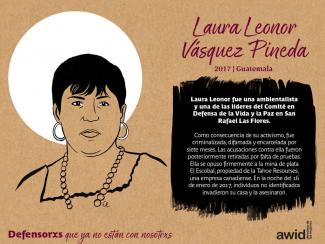
IM Defennsoras: Asesinan a Laura Leonor Vásquez Pineda, defensora del territorio
Observatorio para la Protección de los Defensores de Derechos Humanos: Guatemala: Asesinato de la defensora de la tierra y el medio ambiente Laura Leonor Vásquez Pineda
📅Monday, March 11
🕒4:30 - 6pm EST
Organisers: AWID, IJSC and NAWI
🏢 Church Center of the United Nations, 777 United Nations Plaza, New York, 11th Floor
(French and Spanish interpretation available)
 |
 |
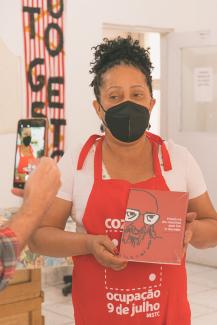 |
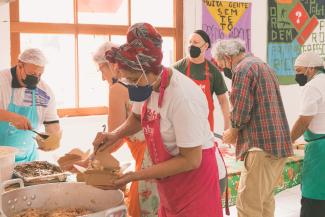
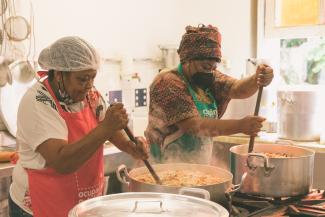
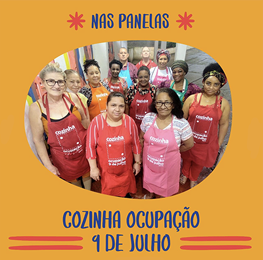
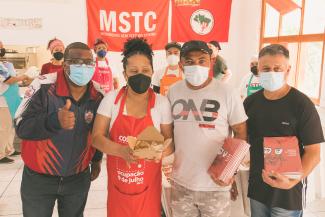 Women and collaborators at the occupation’s kitchen |
 |
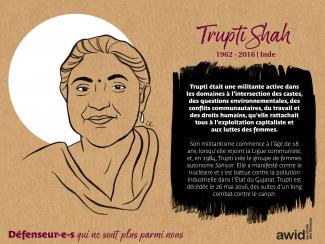
(with special guests!)
📅Tuesday, March 12
🕒6-9.30pm EST
🏢 Blue Gallery, 222 E 46th St, New York
RSVP required
 |
 |
 |
 |
 |
 |
 |
 |
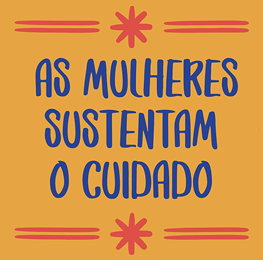
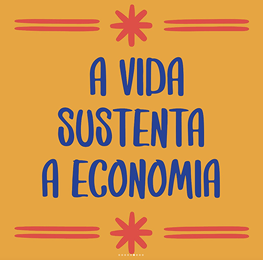
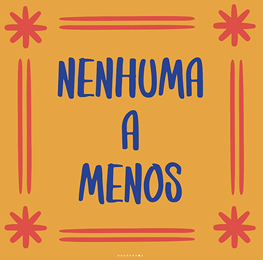
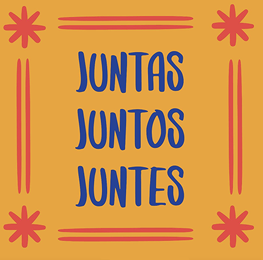
Las Mujeres Sostienen el Cuidado | El Cuidado Sostiene la Vida | La vida Sostiene la Economía | ¿Quién Cuida a las Mujeres? | Ni Una Menos1 | Juntas, Juntos, Juntes | Almuerzo de Domingo
1Nenhuna a menos se traduce literalmente como "ni una menos" en español, un eslogan feminista famoso en América Latina que surgió en Argentina como respuesta a la creciente violencia de género.

La encuesta está orientada a agrupaciones, organizaciones y movimientos que trabajan específica o primordialmente por los derechos de las mujeres, las personas LBTQI+ y la justicia de género, en todos los contextos, en todos los ámbitos y en todas las regiones. Si alguno de estos es el pilar fundamental de tu agrupación, colectivo, red o cualquier otro tipo de organización —ya sea que esté registrada, sea de reciente creación o de larga data—, te invitamos a responder la encuesta.

*En esta oportunidad, no estamos solicitando respuestas de individuos ni de fondos feministas o de mujeres.
Obtén más información sobre la encuesta:
Consultar las preguntas frecuentes
 |
Droits humains et ethno-territoriaux Assurer la défense des droits humains et des droits de la Nature par la construction d'alliances avec des acteur·rices et organisations locales, nationales, régionales et mondiales. |
 |
Développement Durable Garantir que toutes les activités économiques, culturelles et environnementales contribuent au développement durable, à la sécurité alimentaire et à la génération de revenus, dans le respect de l'autodétermination et de l'autonomie gouvernementale des communautés afro-descendantes. |
 |
Education and training Former les femmes et leur donner les moyens d'exercer la défense de leurs droits dans différents espaces politiques, sociaux et économiques. Pour plus d'informations, cliquez ici! |
To claim your power as an expert on the state of resourcing for feminist movements