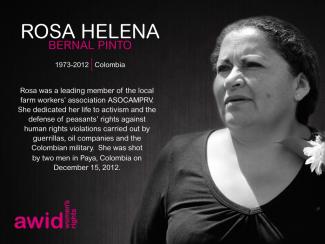
Rosa Helena Bernal Pinto
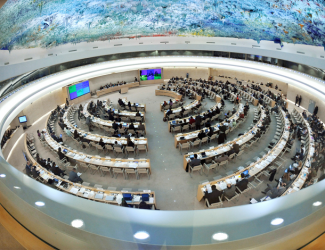
The Human Rights Council (HRC) is the key intergovernmental body within the United Nations system responsible for the promotion and protection of all human rights around the globe. It holds three regular sessions a year: in March, June and September. The Office of the UN High Commissioner for Human Rights (OHCHR) is the secretariat for the HRC.
Debating and passing resolutions on global human rights issues and human rights situations in particular countries
Examining complaints from victims of human rights violations or activist organizations on behalf of victims of human rights violations
Appointing independent experts (known as “Special Procedures”) to review human rights violations in specific countries and examine and further global human rights issues
Engaging in discussions with experts and governments on human rights issues
Assessing the human rights records of all UN Member States every four and a half years through the Universal Periodic Review
AWID works with feminist, progressive and human rights partners to share key knowledge, convene civil society dialogues and events, and influence negotiations and outcomes of the session.
AWID proporciona una gran cantidad de recursos que pueden ayudarte en tu investigación. Te invitamos a explorar las Áreas Prioritarias y la sección «Infórmate» de nuestro sitio web, o que utilices la función de búsqueda para encontrar información sobre los temas específicos que estás investigando. .
Recomendamos especialmente que explores nuestro manual «¿Dónde está el dinero para los derechos de las mujeres» (WITM). Este manual es una demostración política y práctica de los recursos y procesos necesarios para llevar a cabo una sólida investigación-acción.
إذا كانت مجموعتك أو مؤسستك تتلقى تمويلًا، فقد ترغب في مناقشة الأمر مع الممول/ة الخاص بك الآن إذا كان قادرًا على دعم سفرك ومشاركتك في المنتدى. تخطط العديد من المؤسسات لميزانياتها للعام المقبل في وقت مبكر من عام 2023، لذا من الأفضل عدم تأخير هذه المحادثة للعام المقبل.

Pendant des décennies, les universitaires et défenseur·euse·s féministes ont développé d’importantes notions liées au genre afin de comprendre et combattre l’oppression et la discrimination. Ces notions sont maintenant devenues la cible d’acteur·ice·s antidroits qui prétendent que les rôles de genre patriarcaux oppressifs relèvent du « bon sens », peignant stratégiquement toutes les autres idées, normes culturelles et formes de vie sociale comme une idéologie dangereuse et conspirationniste.
Lisez le dossier sur Les Discours Sur L’ « Idéologie Du Genre » : Une Menace Pour Les Droits Humains
Second Dialogue de haut niveau sur le financement du développement
ليس هناك اختلاف، نفس الطريقة ونفس الموعد النهائي. يرجى استخدام نفس النموذج لإرسال مقترحك سواء كان ذلك شخصيًا أو عبر الإنترنت أو كليهما (هجين).
Contenido relacionado
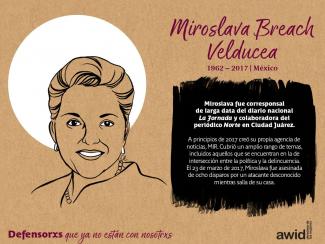
Norte Digital de Ciudad Juárez: Cerramos en protesta
La Jornada: Brazo del ‘cártel’ de Sinaloa ordenó asesinar a Miroslava Breach: FGE
BBC: Miroslava Breach, la periodista “incómoda” asesinada en México cuando llevaba a su hijo a la escuela
What if we reimagined ways of caring for our communities?
What if the economy was not about someone else’s profit but about care for our individual and collective wellbeing? These stories are about building communities of care with and for people who are historically and presently excluded, disenfranchised and dehumanized by both state and society. These are the stories of feminists centering care in the economy.
The Sixth High-level Dialogue on Financing for Development, 7-8 October 2013 focused on reviewing the progress of MDG’s, and identifying gaps to be addressed in discussions on the new development framework.
A report by the MDG’s Gap Task Force launched during the session pointed to the failure to meet MDG 8 (Global Partnership for Development) as a major factor in the challenges to meeting the MDGs. The report showed that more focus should be given to developing stronger global partnerships that would ensure binding commitments for the new development framework post 2015.
نعم! نحن نستكشف حاليًا تقنيات مبتكرة للسماح بالاتصال والمشاركة الهادفين.
Cuando lleguen al centro de São Paulo, verán el edificio de la Ocupação 9 de Julho, un sitio prominente en la lucha por la vivienda social y un importante espacio cultural. Este es el trabajo del Movimiento de Trabajadores Sin Hogar (Movimento dos Sem-Teto do Centro, MSTC), un movimiento de más de 2000 personas que actúa en el centro de la ciudad y convierte espacios abandonados en viviendas para trabajadorxs de bajos ingresos, niñxs, mujeres, adultos, ancianxs, migrantes y refugiadxs. En este edificio en particular, brindan comida y albergue a 122 familias.
Sesiones adicionales de consulta sobre el Borrador del Documento Final