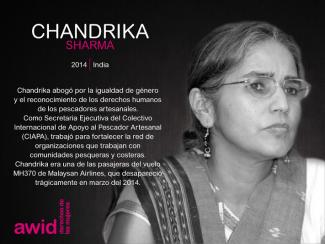
Chandrika Sharma
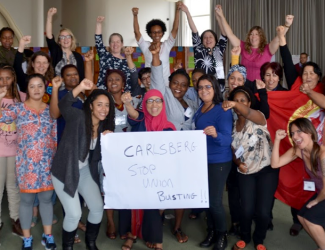
Women human rights defenders (WHRDs) worldwide defend their lands, livelihoods and communities from extractive industries and corporate power. They stand against powerful economic and political interests driving land theft, displacement of communities, loss of livelihoods, and environmental degradation.
Extractivism is an economic and political model of development that commodifies nature and prioritizes profit over human rights and the environment. Rooted in colonial history, it reinforces social and economic inequalities locally and globally. Often, Black, rural and Indigenous women are the most affected by extractivism, and are largely excluded from decision-making. Defying these patriarchal and neo-colonial forces, women rise in defense of rights, lands, people and nature.
WHRDs confronting extractive industries experience a range of risks, threats and violations, including criminalization, stigmatization, violence and intimidation. Their stories reveal a strong aspect of gendered and sexualized violence. Perpetrators include state and local authorities, corporations, police, military, paramilitary and private security forces, and at times their own communities.
AWID and the Women Human Rights Defenders International Coalition (WHRD-IC) are pleased to announce “Women Human Rights Defenders Confronting Extractivism and Corporate Power”; a cross-regional research project documenting the lived experiences of WHRDs from Asia, Africa and Latin America.
"Women Human Rights Defenders confronting extractive industries: an overview of critical risks and Human Rights obligations" is a policy report with a gender perspective. It analyses forms of violations and types of perpetrators, quotes relevant human rights obligations and includes policy recommendations to states, corporations, civil society and donors.
"Weaving resistance through action: Strategies of Women Human Rights Defenders confronting extractive industries" is a practical guide outlining creative and deliberate forms of action, successful tactics and inspiring stories of resistance.
The video “Defending people and planet: Women confronting extractive industries” puts courageous WHRDs from Africa, Asia, and Latin America in the spotlight. They share their struggles for land and life, and speak to the risks and challenges they face in their activism.
Challenging corporate power: Struggles for women’s rights, economic and gender justice is a research paper outlining the impacts of corporate power and offering insights into strategies of resistance.
AWID acknowledges with gratitude the invaluable input of every Woman Human Rights Defender who participated in this project. This project was made possible thanks to your willingness to generously and openly share your experiences and learnings. Your courage, creativity and resilience is an inspiration for us all. Thank you!
تصوير: مريم مكيوي
تصميم وعرض الملابس: النمرة
During her 38-year career, Debbie Stothard, has worked with diverse communities and activists to engage states, IGOs and other stakeholders throughout Asia, Africa, Europe, and the Americas on human rights and justice. Her work is focused on the thematic priorities of business and human rights, atrocity prevention, and women’s leadership. Accordingly, she has either facilitated or been a resource person at nearly 300 training events in the past 15 years. Most of these were grassroots-oriented workshops delivered in the field, focused on human rights advocacy, economic literacy and business and human rights, and transitional justice and atrocity prevention. Her work in transitional justice and atrocity prevention has mainly focused on Burma/Myanmar, however she has provided advice on responses to other country situations around the world.
During 1981 – 1996, Debbie worked as a crime reporter, student organizer, policy analyst, academic, government advisor and food caterer in Malaysia and Australia while volunteering for human rights causes. In 1996, she founded ALTSEAN-Burma which spearheaded a range of innovative and empowering human rights programs. This includes ALTSEAN’s ongoing intensive leadership program for diverse young women from Burma, which in the past 22 years, has helped strengthen and expand women’s leadership in conflict-affected zones. She served as a member of the Board of the International Federation for Human Rights (FIDH) for 9 years as Deputy Secretary-General (2010-2013) and Secretary-General (2013 – 2019) during which she promoted the mission and profile of FIDH at approximately 100 meetings and conferences per year.
ترجمة مارينا سمير
«الآن قد يكون وقتًا مناسبًا لإعادة التفكير في الشكل الذي يمكن للثورة أن تتّخذه. ربما لن تبدو كمسيرةٍ من الأجساد الغاضبة والقادرة في الشوارع. ربما ستبدو وكأنّ العالم واقفٌ في ثباتٍ لأن جميع الأجساد الموجودة فيه منهَكة – حيثُ أنّه يجب إعطاء الأولوية للرعاية قبل فوات الأوان».
- جوانا هيدفا
المستشفيات مؤسسات، ومواقع حيّة للرأسمالية، وما يحدث عندما يكون من المفترض أن يستريح شخصٌ ما ليس إلّا نموذجاً مصغّراً من النظام الأكبر. تَعمَد المؤسسات إلى فصلنا عن أنظمة رعايتنا – نَجِد أنفسنا معزولين في بُنى تراتبية راسخة، وغالبًا ما نشعر وكأنّ الرعاية هي شيء يُفعَل بنا بدلاً من أن تكون شيئًا يُعطى ويؤخَذ كجزء من محادثة. الرعاية المؤسسية معزولة بسبب اندماجها في الطلب الرأسمالي: شخص واحد يعالج رِجلك ورِجلك فقط، شخص آخر يعالج ضغط الدم وهكذا.
المستشفيات مؤسسات، ومواقع حيّة للرأسمالية، وما يحدث عندما يكون من المفترض أن يستريح شخصٌ ما ليس إلّا نموذجاً مصغّراً من النظام الأكبر. تَعمَد المؤسسات إلى فصلنا عن أنظمة رعايتنا – نَجِد أنفسنا معزولين في بُنى تراتبية راسخة، وغالبًا ما نشعر وكأنّ الرعاية هي شيء يُفعَل بنا بدلاً من أن تكون شيئًا يُعطى ويؤخَذ كجزء من محادثة. الرعاية المؤسسية معزولة بسبب اندماجها في الطلب الرأسمالي: شخص واحد يعالج رِجلك ورِجلك فقط، شخص آخر يعالج ضغط الدم وهكذا.
اضطرّت المصوّرة مريم مكيوي لإجراء عملية جراحية الشهر الماضي، ووثّقت هذا المسار. صورها للبيئات المعقّمة بألوانها الباهتة – أضواء نيون بيضاء وصفوف تلو صفوف من التكوينات المتكرّرة – تعكس مكانًا استُنزفت منه الحياة والحركة. كانت هذه إحدى الطرق التي حافظت بها مريم على بقاء روحها. لقد كان أحد أشكال الاحتجاج من داخل حدود مؤسسةٍ كان عليها التعامل معها.
تُشكّل الصور وصفًا لشيءٍ واهنٍ بشدّة، فمشاهدة شخصٍ ما وهو يعايش انهيار جسده هو دائمًا تذكير جليل بهشاشتنا. إنه أيضًا تذكير بهشاشة أنظمة الرعاية هذه، والتي قد تُمنَع عنّا لأسباب متعدّدة – بدايةً من عدم امتلاك الأموال وصولًا إلى عدم التواجد في جسدٍ يُعتبَر ذا قيمة كافية، فربما يكون أنثويًا أكثر مما ينبغي أو كويريًا أكثر مما ينبغي أو ملوَّنًا أكثر مما ينبغي.
الرعاية الانفرادية والمجرّدة من جوهرها والتي قد تُسلَب منّا في أي لحظة لا تساعدنا على الازدهار. وهي مختلفة تمامًا عن الطريقة التي يسلكها البشر عند رعاية بعضهم البعض. كم سيبدو عالمنا مختلفًا إذا التزمنا بتفكيك الهياكل الرأسمالية الحالية حول صحّتنا؟ كيف سيبدو إذا أعَدنا تخيُّلَه بشكل جذريّ؟
Jemimah Naburri-Kaheru est une stratège internationale accomplie en matière de ressources humaines à impact profond dans la région de la Corne de l'Afrique. Jemimah était auparavant responsable régionale des ressources humaines et du bureau de l'Initiative stratégique pour les femmes dans la Corne de l'Afrique (SIHA) . Son influence s’est étendue jusqu’à la direction des ressources humaines de plus de 70 employé·e·s régionaux·ales, alors que l'organisation connaissait une croissance rapide, avec une augmentation de 40 % de ses revenus annuels. Tout au long de sa carrière, Jemimah a orchestré avec succès des efforts de recrutement, introduit des systèmes de performance basés sur le mérite, de même que supervisé les relations avec les employé·e·s et les politiques RH. Elle a joué un rôle central dans le soutien aux stratégies mondiales de personnel. Avec une formation universitaire en Études de Développement de l'Université de Makerere (Ouganda) et un Master en Gestion des Ressources Humaines, Jemimah est évidemment engagée envers le développement professionnel. Sa contribution à des effectifs hautement performants et à un leadership international en matière de ressources humaines la positionne comme un atout inestimable dans toute entreprise mondiale.
|
ترجمة عربية النسخة الإسبانية تدقيق لغوي النسخة الفرنسية تدقيق لغوي من البرتغالية إلى الإنجليزية تدقيق لغوي |
فريق التحرير
تصميم ورسم
مسؤولة استراتيجيات التواصل
محرّرة النسخة العربية
مديرة الترجمة
فريق AWID |
Khaoula Ksiksi is a passionate advocate for justice, equity, and liberation. As a Gender, Equality, Diversity, and Inclusion (GEDI) Advisor, she works to make inclusivity a lived reality, not just a policy, across humanitarian programs and crisis contexts. She collaborates with teams to challenge structural oppression using bold, transformative tools rooted in lived experience.
Her activism began on the frontlines of Tunisia’s anti-racism movement. With Mnemty, she helped push through the country’s first anti-discrimination law, forcing a national reckoning with racial injustice. She later co-founded Voices of Black Tunisian Women to amplify Black women’s leadership, build solidarity networks, and demand visibility in a society that often silences them.
Khaoula is also a founding member of Falgatna, a radical queer-feminist movement fighting for SOGIESC rights and supporting LGBTQI+ communities through direct action, digital resistance, and survivor-centered advocacy.
Previously, she led regional feminist and climate justice projects at the Rosa Luxemburg Foundation in North and West Africa.
At the heart of her work is a deep belief: no one is free until we all are. Her activism is both a fight and a love letter to her people, her communities, and the world we deserve.
We work to achieve gender justice and women’s human rights by strengthening the collective voice, impact and influence of global women’s rights advocates, organizations and movements.
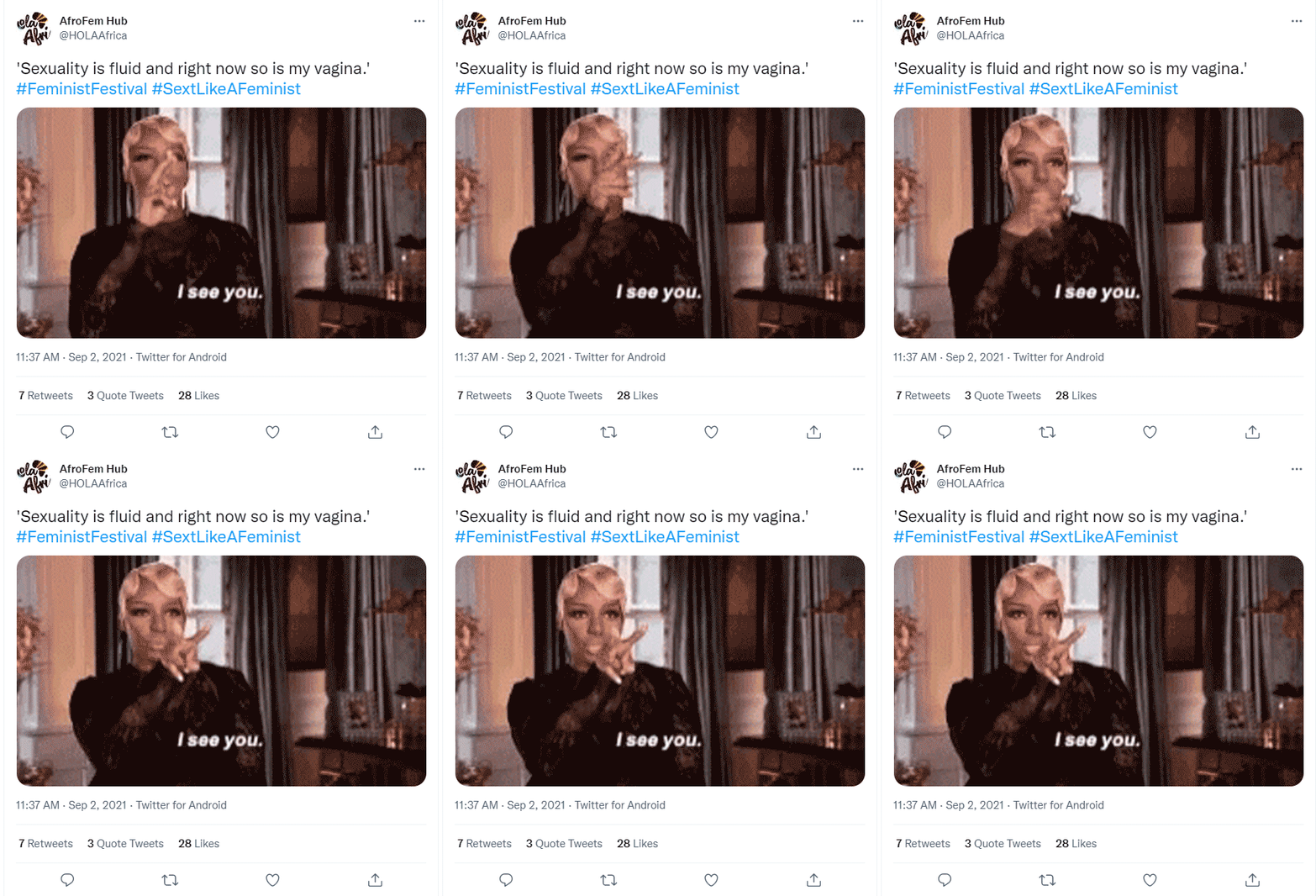
للجنسانيّة تدفّقات متعدّدة ومتبدّلة كحال الغمد الملتهب بين فخذَيّ
Upasana est un·e illustrateurice et artiste non binaire basé·e à Kolkata, en Inde. Son travail explore l'identité et les récits personnels en partant d’un vestige visuel ou d’une preuve des contextes avec lesquels iel travaille. Iel est particulièrement attiré·e par les motifs qui, selon Upasana, communiquent des vérités complexes sur le passé, le présent et l'avenir. Quand Upasana n'est pas en train de dessiner, iel organise et dirige un centre d'art communautaire queer et trans dans la ville.
Si votre activité est acceptée, l’équipe de l’AWID vous contactera pour évaluer et répondre aux besoins d’interprétation et d’accessibilité pour votre activités.
Notre travail est de portée internationale. Nous collaborons étroitement avec nos membres et d’autres organisations pour les droits des femmes et autres allié-e-s, tant au niveau local que national et régional. Nous faisons en sorte que leurs réalités nourrissent notre travail.