Women human rights defenders (WHRDs) worldwide defend their lands, livelihoods and communities from extractive industries and corporate power. They stand against powerful economic and political interests driving land theft, displacement of communities, loss of livelihoods, and environmental degradation.
Why resist extractive industries?
Extractivism is an economic and political model of development that commodifies nature and prioritizes profit over human rights and the environment. Rooted in colonial history, it reinforces social and economic inequalities locally and globally. Often, Black, rural and Indigenous women are the most affected by extractivism, and are largely excluded from decision-making. Defying these patriarchal and neo-colonial forces, women rise in defense of rights, lands, people and nature.
Critical risks and gender-specific violence
WHRDs confronting extractive industries experience a range of risks, threats and violations, including criminalization, stigmatization, violence and intimidation. Their stories reveal a strong aspect of gendered and sexualized violence. Perpetrators include state and local authorities, corporations, police, military, paramilitary and private security forces, and at times their own communities.
Acting together
AWID and the Women Human Rights Defenders International Coalition (WHRD-IC) are pleased to announce “Women Human Rights Defenders Confronting Extractivism and Corporate Power”; a cross-regional research project documenting the lived experiences of WHRDs from Asia, Africa and Latin America.
We encourage activists, members of social movements, organized civil society, donors and policy makers to read and use these products for advocacy, education and inspiration.
AWID acknowledges with gratitude the invaluable input of every Woman Human Rights Defender who participated in this project. This project was made possible thanks to your willingness to generously and openly share your experiences and learnings. Your courage, creativity and resilience is an inspiration for us all. Thank you!
Clone of Clone of Clone of Clone of Clone of Snippet - Intro WITM - ES
«¿Dónde está el dinero para las organizaciones feministas?»
¿Cuánto sabes sobre financiamiento feminista? 📊 Pon a prueba tu conocimiento sobre la movilización de recursos para el financiamiento de la organización feminista, respondiendo al cuestionario "¿Dónde está el dinero?":
Queremos expresar nuestro más sincero agradecimiento a todos los diversos grupos, colectivos y organizaciones feministas de todo el mundo que respondieron a la encuesta WITM. Su participación y sus puntos de vista han sido inestimables y enriquecerán enormemente nuestra comprensión colectiva de los recursos feministas a nivel mundial.
Partout sur la planète, les défenseur·e·s féministes, des droits des femmes et de la justice de genre remettent en question les programmes des acteurs fascistes et fondamentalistes. Ces forces opprimantes prennent pour cibles les femmes, les personnes non conformes dans leur identité de genre, leur expression et/ou orientation sexuelle, ainsi que d’autres communautés opprimées.
Les idéologies discriminatoires sapent et s’emparent de nos systèmes et normes en termes de droits humains de manière à ce que seuls certains groupes aient l’exclusivité des droits. Face à cela, l’initiative Promotion des droits universels et de la justice (Advancing Universal Rights and Justice, AURJ) s’attache à promouvoir l’universalité des droits - le principe fondamental selon lequel les droits humains sont le bien de chaque être humain, quelle que soit son identité, et ce sans exception.
Nous créons un espace pour permettre aux mouvements et à nos allié·e·s féministes, en faveur des droits humains et de la justice de genre de se reconnaître, d’élaborer des stratégies et de recourir à des actions collectives afin de contrecarrer l’influence et l’impact des acteurs anti-droits. Nous cherchons également à faire avancer les cadres, les normes et les propositions féministes et relatifs aux droits des femmes, ainsi qu’à protéger et promouvoir l’universalité des droits.
Nos actions
A travers cette initiative, nous visons à :
Enrichir nos connaissances : Dans le cadre du rôle de premier plan que nous assurons sur la plateforme collaborative, l’Observatoire de l'universalité des droits (Observatory on the Universality of Rights, OURs), l’AWID soutient les mouvements féministes, en faveur des droits des femmes et de la justice de genre en diffusant et vulgarisant des connaissances et des messages clés concernant les acteurs anti-droits, leurs stratégies et leur impact au sein des organismes internationaux de protection des droits humains.
Promouvoir des programmes féministes : Nous faisons des alliances avec des partenaires au sein d’espaces internationaux dédiés aux droits humains, notamment le Conseil des droits de l’homme, la Commission de la population et du développement, la Commission de la condition de la femme et l’Assemblée générale de l’ONU.
Créer et élargir les alternatives : Nous impliquons nos membres afin de garantir que les engagements, les résolutions et les normes à l’échelle internationale sont reflétées et réintroduites dans l’organisation d’autres espaces à l’échelle locale, nationale et régionale.
Mobiliser des actions solidaires : Nous agissons aux côtés de défenseuses des droits humains (women human rights defenders, WHRD), y compris de défenseur·e·s trans et intersexes et de jeunes féministes, et oeuvrons à contester les fondamentalismes et les fascismes tout en attirant l’attention sur les situations à risque.
Our individual and institutional members come from ALL regions of the world and 163 countries. Our latest members join us from France, South Sudan, the United Kingdom, and Lebanon. All of our members bring with them a rich and diverse array of perspectives, experiences, knowledge, energy and inspiration!
Did you know about our weekly member profiles?
One of the benefits of being an AWID member, is having your story featured on awid.org, in our newsletters which go out to 35,000 subscribers, and via our social media channels which have over 60,000 followers.
If you have any difficulties and require support with the sign-up process, please do not hesitate to contact us at membership@awid.org
What Our Members Say
"We have found AWID to be a very exciting network and we are involved in many of its platforms." - Engabu Za Tooro (AWID institutional member)
"I am looking forward to a fruitful engagement with the team. Feeling great. Thanks for accepting me as a member." - R. Chakraborty (AWID individual member)
"Thank you so much AWID, your work is tremendous. I really appreciated your efforts." - E. Khan (AWID individual member)
Affectionately known as “Mama Efua”, her work to end Female Genital Mutilation (FGM) movement spanned three decades and helped bring international attention and action to end this harmful practice.
In 1983 Efua co-founded FORWARD (The Foundation for Women’s Health, Research and Development), which became a leading organisation in the battle to raise awareness about FGM. Her 1994 book, “Cutting the Rose: Female Genital Mutilation,” is considered the first on FGM and, featured in Columbia University’s “Africa’s 100 Best Books for the 20th Century”.
Originally from Ghana and a nurse by training, Efua joined the WHO in 1995 and successfully pushed for FGM to go on the agendas of WHO member states. She also worked closely with the Nigerian government in formulating a comprehensive National Policy that laid the groundwork for Nigeria’s anti-FGM laws, still in place today.
Her ground breaking work culminated in an Africa-led campaign, “The Girl Generation,” which is committed to ending FGM within a generation. Efua demonstrated how one person can become the unifying voice for a movement, and her wise words - “shared identity can help bring activists from different backgrounds together with a common sense of purpose” – are more relevant than ever.
CFA FAQ - Funding - Thai
การขอทุนสนับสนุนการเข้าร่วม
Challenging the economic growth model
Context
Contesting the premise that a country’s economy must always ‘grow or die’, de-growth propositions come to debunk the centrality of growth measured by increase in Gross domestic product (GDP).
Definition
A de-growth model proposes a shift towards a lower and sustainable level of production and consumption. In essence, shrinking the economic system to leave more space for human cooperation and ecosystems.
The proposal includes
Downsizing resource-, energy- and emission-intensive superfluous production, particularly in the North (e.g. the automotive and military industries)
Directing investments instead into the care sector, social infrastructure and environmental restoration
Feminist perspective
Feminist perspectives within de-growth theory and practice argue that it also needs to redefine and revalidate unpaid and paid, care and market labour to overcome traditional gender stereotypes as well as the prevailing wage gaps and income inequalities that devalue care work.
Learn more about this proposition
In “The Future WE Want: Occupy development” Christa Wichterich argues that in order to break up the hegemonic logic of unfettered growth and quick returns on investment, three cornerstones of another development paradigm must combine: care, commons and sufficiency in production and consumption.
Equitable, Ecological Degrowth: Feminist Contributions by Patricia Perkins suggests developing effective alternative indicators of well-being, including social and economic equity and work-time data, to demonstrate the importance of unpaid work and services for the economy and provide a mechanism for giving credit to those responsible.
Yelena Grigoriyeva, often called Lena by friends, was a prominent LGBT rights campaigner in Russia.
She was part of democratic, anti-war and LGBT movements. In her activism, Yelena was a fierce critic of President Vladimir Putin and his administration, expressing her opposition against Russia’s annexation of Ukraine’s Crimea peninsula and the ill-treatment of prisoners.
Yelena came out as bisexual earlier in 2019.
"Her coming out was a surprise to me, and I didn't approve of it. I told her 'Listen, Lena, you already have a target painted on you because of your political activity. You've just pinned another to your chest." - Olga Smirnova
Yelena did receive multiple death threats and according to some of her acquaintances, was listed on a homophobic website that called on its visitors to hunt down LGBT persons. She reported the threats to the police, however the Russian state failed to provide protection.
But even in a society where political opposition, as well as members of the LGBT community and advocates for their rights, face continuous and increasing violence, Yelena kept campaigning for social justice and equality.
“She did not miss a single action. And they detained her so often that I already lost count,”
- Olga Smirnova (fellow opposition activist and friend).
Yelena was murdered on 21 July 2019, not far from home. A suspect was arrested but according to some sources, many friends and fellow activists believe that the suspect is a scapegoat and that this was a targeted political killing.
For Yelena’s relatives and friends, her case remains unsolved even though the suspect confessed.
In 2013, Russia passed legislation banning the spreading of what it described as ‘gay propaganda’. In 2014, Human Rights Watch published a report relating to this.
هل هناك منهجية مفضلة للجلسات؟
تقترح الدعوة للتقدم بالمقترحات عددًا من التنسيقات والمنهجيات المقترحة. كن/ كوني مبدعًا/ة وتأكد/ي من قراءة قسم "ما تحتاج/ين إلى معرفته".
Media Centre
AWID in the media
News compilation regarding AWID's work and organization.
Mena Mangal was a prominent TV journalist, women’s rights advocate and cultural adviser to Wolesi Jirga, the lower house of Afghanistan's national parliament.
For more than a decade, she worked for Ariana TV, Tolo TV's Pashto-language channel Lamar, and the private Afghan national television broadcaster Shamshad TV. As a presenter, Mena focused on women’s rights and cultural talk shows.
"Women's rights activist Wazhma Frogh said Mangal "had a loud voice" and actively spoke out as an advocate for her people."
Off-screen, she also ran popular social media pages that advocated for the rights of Afghan girls and women to education and work. In terms of her private life, Mena wrote extensively about being forced into an arranged marriage in 2017 and the process she had to go through to finally obtain a divorce.
In a Facebook post, Mena wrote she was receiving death threats from unknown sources but would continue to carry out her work.
On 11 May 2019, she was attacked by unknown gunmen and shot dead in broad daylight in a public space in Southeast Kabul.
"We are concerned about the situation because it has a direct impact on women who work outside their homes...Female journalists are changing their professions due to the increasing risks they are facing." - Robina Hamdard, Kabul-based women’s rights activist.
CFA FAQ - Travelling to Bangkok - AR
السفر إلى بانكوك
Selection of Forum activities
For each AWID Forum we call for contributions from a wide range of feminist and social justice movements to propose activities and create the Forum program.
For the 14th AWID international Forum, we want to make the program truly representative of the diversity of the movements.
That is why we put in place a new and engaging way to choose the proposals that will generate the final Forum program: the Participatory Selection Process (PSP).
What is the Participatory Selection Process (PSP)?
The Participatory Selection Process is the final step in reviewing the activity proposals and selecting those that will be part of the official Forum program.
This is how it works:
Activity proposals have originally been submitted via our Call for Forum Activities, open to everyone - groups and individuals - interested in presenting their feminist reality at the Forum.
Out of all the activities submitted, AWID staff pre-selects the ones best reflecting the Forum theme and presenting a creative approach for audience engagement.
Activities are then reviewed and short-listed by different Forum Committees to ensure a good diversity of regions, movements and ideas.
The selected proposals are then reviewed and rated by individuals and groups whose proposals have also been short-listed. The proposals which receive the most votes from fellow candidates will become part of the final Forum program.
The whole activity selection process at a glance:
Step
Step 1:
Call for Forum Activities: Application submissions
Step 2:
First screening
Step 3:
Shortlisting
Step 4:
Participatory Selection Process
Timeline
December 2019 - mid.February 2020
January-February 2020
Summer 2020
timeline to be adjusted
People involved
Everyone interested in co-creating the Forum program
50-60 most voted activities selected for the final Forum program
Why did AWID decide to organize a PSP for the 14th AWID Forum activities?
We think a PSP is relevant for the AWID Forum because:
It places at the centre of the decision making process the communities who live the feminist realities that will be showcased and discussed at the Forum
It is consistent with our identity and our role as a movement support/ accompaniment organization.
It is in line with our vision of the Forum as co-created with different feminist and social justice movements, who shape the Forum through their participation in committees (content and methodology, access, artivist and host country), creating and facilitating activities as partners with AWID and also making decisions about the Program through the PSP.
It allows for greater diversity in the textures that will make up the Forum fabric (or in the voices that will compose the Forum song). It ensures we go beyond AWID itself and the movement partners that we already know and work with. It opens the door to the unexpected.
How did AWID come up with this PSP idea?
This is the first time AWID is considering such a process.
The initial idea came from AWID’s Co-EDs and staff. Before committing to a decision, we consulted some of the community funds that have been implementing participatory selection processes for years. These included FRIDA: The Young Feminists Fund, the International Trans Fund, UHAI - East Africa’s fund for sexual minorities and sex workers - and the Central American Women’s Fund. We consulted them to learn from their extensive experiences and get their feedback.
Pre-selected activities
Financial autonomy, breaker of silence
ORGANISATION DES FEMMES AFRICAINES DE LA DIASPORA (OFAD)ASSOCIATION LES PETITES MERESPRODADPHEASSOCIATION AMBE KUNKO (AAK)
Contribution of feminist organisations to the fight against violent extremism in Niger
Femmes Actions et Développement (FAD)
Self-financing: home banking for women
Rassemblement des Femmes pour le développement endogène et solidaire RAFDES
Food and food sovereignty for rural women Association Song-taaba des Femmes Unies pour le Développement (ASFUD)
Feminist leaders, investing in positive masculinity, creating a new balanced social order: how to change mentalities?
Une societe cooperative, la chefferie traditionnelle des localites, les autorites administratives et les autres associations femininesONG Centre Solidarite "Investir dans les Filles et les Femmes
Co-creating the sponsorship methodology.
NEGES MAWON
Millennium of opportunities to save the earth (MOST) by supporting climate justice for local and Indigenous communities in Congo Basin.
Jeunesse Congolaise pour les Nations Unies (JCNU), Association Genre et Environnement pour le Développement (AGED)
Envisioning an Asian Queer Feminist Politics
ASEAN Feminist LBQ Womxn NetworkSayoni
Supporting the Self-Managed: Abortion Doulas, Acompanantes, and Radical Networks of support
inroads
Online Feminisms: How Women Are Taking Back The Tech
Feminism In India
Committee on the Elimination of Discrimination Against Sex Workers
Asia Pacific Network of Sex Workers (APNSW), The International Women's Rights Action Watch Asia Pacific (IWRAW AP)
Sustainable Feminist Leadership and Organizing - Personal and Collective Experiences
HER Fund, Institute for Women's Empowerment (IWE) ,Kalyanamita,AAF
Caribbean Realities: Black Sauna Radio
WE-Change Jamaica
Telephone Helplines Care and Women Experience
Generation Initiative for Women and Youth Network (GIWYN),Youth Network for Community and Sustainable Development (YNCSD),Community Health Rights Network (CORENET)
Sensuality as resistance; body movement workshop
UHAI EASHRI
Lesbian Disco Eastern European Style
Sapfo Collective
Queering Communications for an Open Internet
Astraea Lesbian Foundation for Justice
Is the Way you Think about Sexual and Reproductive Health (SRHR) Ableist? Good Practices for Disability Inclusive SRHR Programmes and Advocacy.
Asia Pacific Network of Women with Disabilities and Allies
Decolonizing Non-Violent Communication
API Equality-LA, Sayoni,ASEAN Feminist LBQ Womxn Network
Feminist centred approaches to prosecuting sexual harassment in the world of work
Women's Legal Centre
Women in Conflict in Myanmar
Women's League of Burma, Rainfall
Caribbean Feminist Spaces, Creative Expressions & Spiritual Practices for Community Transformation
CAISO: Sex and Gender Justice
POP-UPS: Just Power: Popular Education Tools for a Feminist Future
JASS/Just Associates
UnAnonYmous: Queering Black African Diaspora Feminist Practices Sobriety
Digital Witchcraft: Magical Thinking for Cyberfeminist Futures
The Digital Witchcraft Institute
Building Womanifestos: Grassroot Women's Agenda for Change in Asia Pacific
Asia Pacific Forum on Women Law and Development
Designing your astral travels
EuroNPUD, narcofeminists as a loose group
Collective Care
RENFA Rede Nacional de Feministas Antiproibicionistas
Music of our movements
Radical imagination
From waste to Ecofriendly coal
KEMIT ECOLOGY SARL
Collective care and insurgency of feminist antiracist movements under authoritarian and violent contexts
CFEMEA - Feminist Center of Studies and Advisory Services,CRIOLA - black women`s organization,Iniciativa Mesoamericana de Mujeres Defensoras
Breaking Patriarchal Religion's Stranglehold on Family Laws that Affect Our Lives #FreeOurFamilyLaws
Musawah
Feminist approach to claim and control over lands within investment
Badabon Sangho, APWLD
Women's Global Strike: Our resistance, our future
Asia Pacific Forum on Women, Law & Development, ESCR-Net, Women's March Global
Towards an Inclusive ‘Mother Earth’
Disability Rights Fund, Open Society Foundation
From Inclusion to Infiltration: Strategies for Building Intersectional Feminist Movements
Mobility International USA (MIUSA)
The hidden stories of women with invisible disabilities: Art in action
The Red Door, Merchants of Madness, Improving Mental Wellbeing through Art
Public-Private Partnership and Women´s Human Rights: learnings from case studies in the Global South
Development Alternatives with Women for a New Era (DAWN)
The Interconnected Journey: Our Bodies, Our Sci-Fi! <3
The Interconnected Journey Project, Laboratorio de Interconectividades
Compiling and Building: Alternative feminist vision to challenge the dominant world economic order
IWRAW Asia Pacific
Self-publication as a feminist act
International Women* Space
Good Practices of legal protection for gender & sexual minorities in Pakistan and their Intersectionality
Activists Alliance Foundation,Khawja Sirah Society, Wajood Society,Wasaib Sanwaro
Feminist Approaches to Counter Trafficking
IWRAW Asia Pacific,Business & Human Rights Resource Center
Critiquing individualism and state policies: transnational organizing against targeted violence
Masaha: Accessible Feminist Knowledge
Decolonizing Intimacy: How Queer Identities Challenge Heteronormative Family Structures
WOMANTRA
Yeki Hambe - Sex worker theatre
Sex Worker Education and Advocacy Task Force
Creating the Indigenous feminist reality: honoring the sacred feminine and building new paths for Indigenous women
Cultural Survival, International Funders in Indigenous Peoples
Eyes on Anti-prohibitionism by Brazillian Women
Mulheres Cannabicas, Tulipas do Cerrado
Black Feminist Truth Commission: Addressing Injustices to Revolutionize Intersectional Feminism as the New Reality
Black Women in Development
Community care is self care: true stories are told in safer spaces
Eurasian Harm Reduction Association, Metzineres,Urban Survivor’s Union,Salvage women and children from drug abuse
NO MOVES BARRED:Dancing connections between Disability,trans & sexual rights against violence
National Forum of Women with Disabilities, Autonomy foundation, Nazyk kyz
The Impact of Corporate Capture on Feminist Realities: Developing Tools for Action ESCR-Net | Economic, Social, Cultural Rights Network
Reimagining AIDS: building a feminist HIV response
Frontline AIDS, Aidsfonds, IPPI (Indonesian Network of Women Living with HIV),UHAI-EASHRI (East African Sexual Health and Rights Initiative)
Advancing Economic Justice towards Realizing Our Vision of a Feminist Planet
International Network for Economic, Social and Cultural Rights, ESCR-Net
Sex Workers Cafe
Hydra e.V.
Adopting an ecofeminist approach in dealing with climate change and food security
Umphakatsi Peace Ecovillage,Human Rights Educational Centre
Connecting the grassroots with the international: experience from creative sex worker mobilisation in Europe
International Committee on the Rights of Sex Workers in Europe, STRASS - French Sex Worker Union, APROSEX, Red Edition
Experiment with how innovative tech can help us feel safer when navigating our cities
Soul City Institute for Social Justice, Safetipin,Womanity Foundation
question “Are hierarchies within organisations UNfeminist?”
Gay and Lesbian Coalition of KenyaNational, Gay and Lesbian Human Rights Commission
We all are different, but we do have joint shared values
UNWUD (Ukrainian network of women who use drugs), JurFem Association, Women's Prospects
A World Without Class
Bunge La Wamama Mashinani (Grassroots Women's Parliament)
Women Empower the Community
Institute for Women's Empowerment (IWE),Solidaritas Perempuan,ASEC Indonesia,Komunitas Swabina Pedesaan Salassae (KSPS)
Feminist Organizing: Transformational Leadership - Women Workers in Latin America Creating a Feminist Labor Movement and a Feminist World of Work
Solidarity Center
Acting Out, Acting Up : Disability-Feminism decolonising narratives of Stigma thro' Participatory theatre
Rising Flame,National Indigenous Disabled Women Association, Nepal,The Spectrum & Union of Abilities,The Red Door
Valuing and centering rest, pleasure and play
ATHENA Network
The African feminist judgment project
The Initiative for strategic Ligation in Africa (ISLA)
Voices from the frontlines: Bolstering collective power to end the incarceration of women worldwide
International Drug Policy Consortium,Equis Justicia para las Mujeres,National Council for Incarcerated and Formerly Incarcerated Women and Girls,Women and Harm Reduction International Network
Queer Youth Organising: imagining in an era of human rights and sustainable development
African Queer Youth Initiative,Success Capital Organisation
Our Struggles Our Stories Our Strengths
Oriang Lumalaban,Pambansang Koalisyon ng Kababaihan sa Kanayunan
Breaking barriers for collective Indigenous climate action in Southeast Asia
Cuso International,Asia Indigenous Peoples' Pact
Love Positive Women: Going beyond romantic love to deep community love and social justice
Eurasian Women's Network on AIDS
Intersex and Feminism
Intersex Russia
Understanding the reproductive health experiences and needs of transgender and gender diverse people
Asia Pacific Transgender Network (APTN)
Because She Cares: Critical conversations on HIV activism as (un)caring work
Because We Care Collaborative
The Mississippi Food Systems Manifesto
Center for Ideas, Equity & Transformative Change,National Council of Appropriate Technology - Gulf South, MS Food Justice Collaborative,Malcolm X Grassroots Movement
Kurdish Women's Movement co-presidency experience as an example of a radical feminist realization: Co-presidency is our PURPLE line!
The Free Women’s Movement (TJA)
WOES -"Walking on Egg Shells"
Eldoret Women For Development (ELWOFOD),Mama Cash,Young women against Women Custodial Injustices Network
FREEDOM
Prison Isn’t Feminist: Exploring the impact and alternatives to reliance on police and incarceration
Migrant Sex Workers Project, Showing Up For Racial Justice
Bondo without Blood: A Feminist Reimagining of Sierra Leonean Rites of Passage
Purposeful
Liberated Land & Territories: A Pan-African Conversation
Thousand Currents (USA), Abahlali baseMjondolo (South Africa), Nous Sommes la Solution (west Africa/regional), Movilización de Mujeres Negras por el Cuidado de la Vida y los Territorios Ancestrales (Colombia), and Articulation of Black Rural Quilombola Communities (Brazil)
Popular Education and Organizing for a Feminist Economy
Jamaica Household Workers Union (JHWU),United for a Fair Economy,Centro de Trabajadores Unidos en la Lucha (CTUL)
So You Wish To Mobilise With An Empty Wallet? Let’s Make It Happen!
Breakthrough India
Experience sharing establishing a network for women human rights defenders in East Africa: Ugandan perspective
Women Human Rights Defenders Network Uganda
Building Inclusive Movements: Going Beyond Tokenism
Rising Flame
Justice & Healing for Survivors of GBV: an interactive debate on restorative justice and the anatomy of an apology
One Future Collective
Collective actions to ending transphobia through a feminist lens
Asia Pacific Transgender Network,Iranti,Transgender Europe
LBQ women & Asylum
Sehaq
Abortion and Disability: Towards an Intersectional Human Rights-Based Approach
Women Enabled International
Learn how to support the self-organizing of undocumented, migrant, and criminalized and sex workers communities
Buttrerfly (Asian and Migrant Sex Workers Support Network)
Self Care: A Fundamental Tool for Sustaining LGBTQI & Feminist Organizing
United and Strong Inc.,S.H.E Barbados,Lez Connect
Reclaiming Young African Feminist VOICES-REALITIES-POWER for climate justice
Young Feminist organization Gasy Youth Up, Young African Feminist Dialogues
Women in action & solidarity: performing our realities (Asia & Africa)
Young Feminist organization Gasy Youth Up ( co-founder) , Young African Feminist Dialogues ( member)
Women in action & solidarity: performing our realities (Asia & Africa)
Women Performing the World (Asia/Africa)
Challenging patriarchy: Workers in entertainment sector
Women Forum for Women in Nepal (WOFOWON)
The non-citizens: issues of women's citizenship in the context of migrant, vulnerable communities in South Asia
NEthing
Visioning for voice in migration and climate crises
Women's Refugee Commission, The Feminist Humanitarian Network, ActionAid
In It Together: Women's Funds and Feminist Movements Co-Creating Feminist Realities
Mama Cash, Global Fund for Women, Urgent Action Fund - Africa
Co-creating magic with young feminist movements - participatory practices that spark joy
Feminist organizing, FRIDA The Young Feminist Fund (Community), Teia
Protection right of woman’s in difficult realities 3 organizations of women from marginally communities
NGO Asteria, Ermolaeva Irena and Bayazitova Renata. NGO Ganesha Musagalieva Tatiana. NGO Ravniy Ravnomu Kucheryavyh Tanya
Feminnale - traditions against art and expression
Bishkek Feminist Initiatives
Resistance through knowledge, arts and activism: creation of a feminist library in Armenia
FemHouse, Armenia
Conquering the UN System with Feminist Strategies (You Don’t Need to be a Lawyer to Have Fun)
Kazakhstan Feminist Initiative "Feminita", IWRAW Asia Pacific, ILGA World
Data. Huh. What is it good for? Feminist data and organizing for feminist outcomes
International Women's Development Agency, Women's Rights Action Movement, Fiji Women's Rights Movement
Criminalized Women’s voice, leadership and influence on laws, policies and practices in Kenya
Keeping Alive Societies Hope-KASH, Katindi Lawyers and Advocates, Vocal Kenya
From Colombia to the world, African women's changing force
Proceso de Comunidades Negras en Colombia -PCN, Solidarité Féminine por la Paix el le Develppment Integral -SOFEPADI,
Afro Queer Listening Lounge and Story-Telling Booth
AQ Studios, None on Record, AfroQueer Podcast
Learning from diversity
Circulo de Mujeres con Discapacidad -CIMUDIS, Alianza Discapacidad por nuestros Derechos -ADIDE, Fundación Dominicana de Ciegos -FUDCI, Filial Puerto Rico de Mujeres con Discapacidad
Football as a feminist tool
Fundación GOLEES (Género, Orgullo, Libertad y Empoderamiento de Ellas en la Sociedad)
Migratory constellations
LasVanders
Ecofeminist dialogues to defend territories
CIEDUR (Centro Interdisciplinario de Estudios sobre el Desarrollo), Equit, Foro permanente de Manaos y Amazonia
La Frida BikesMoviment
La Frida Bike
Witchcraft, shamanism and other insurgent knowledge against patriarchy.
Colectiva Feminista MAPAS-Mujeres Andando Proceso por Autonomías Sororales
Experiences, learnings and challenges in managing holistic security of horizontal feminist organisations and of gender-dissidence in times of social and political crisis. The experience of the popular uprising in Chile of 18 October.
Fudación Comunidades en Interfaz
Food that we all know about
Las Nietas de Nonó, Parceleras Afrocaribeñas por la Transformación barrial (PATBA)
Practices of resistance against climate change of Indigenous women in Peru and Guatemala
Thousand Currents, Red de Mujeres Productoras de la Agricultura Familiar, Asociación de Mujeres Ixpiyakok (ADEMI, Ixpiyakok Women's Association)
Building Feminist Cities
CISCSA, Articulacion Feminista Marcosur
Stand in my place
Alianza Discapacidad por nuestros Derechos - ADIDE, Circulo de Mujeres con Discapacidad -CIMUDIS
Clearing the way for women's fullness of life, healing collective and historical traumas
Grupo de Mujeres Mayas Kaqla
Zapoteca Indigenous women challenged by nature
Houses of Care and Healing for Women Human Rights Defenders as part of Integral Feminist Protection: A Feminist Reality
Iniciativa Mesoamericana De Defensoras de Derechos Humanos, Consorcio Oaxaca para el Diálogo Parlamentario y la Equidad A.C, Red Nacional De Defensoras De Derechos Humanos en Honduras, Coletivo Feminista de Autocuidado
Healing your unicornix voice: Weaving ancient and digital technologies to sharpen the tongue
Feminist trajectories for an assisted motherhood protocol for women with disabilities
Circulo emancipador de mujeres y niñas con discapacidad de Chile, CIMUNIDIS, WEI
School for trans feminist children
Fundación Selena
REDTRASEX: Experience of Organization and Struggle for the Rights of Women Sex Workers in Latin America and the Caribbean
RedTraSex Red de mujeres trabajadoras sexuales LAC
Gender based violence and the world of sex work in Mexico
Brigada Callejera de Apoyo a la Mujer, "Elisa Martínez", A.C., Red Mexicana de Organizaciones Contra la Criminalización del VIH. Red Mexicana de Trabajo Sexual
Migration forces us to draw the path as we walk
Asociación de Trabajadoras del Hogar a Domicilio y de Maquila. ATRAHDOM
New narratives for Black women: body, healing and pleasure
Weaving memories and networks - Black Feminists strengthening Black feminisms in LAC
Red de Mujeres Afrolatinoamericanas, Afrocaribeñas y de la Diáspora, Articulação de Organizações de Mulheres Negras Brasileiras (AMNB), Voces Caribeñas
Aïssata Kane, also fondly known as “Yaye Kadia” (Mother Kadia), was a feminist with a lifelong committment in advocating for African and especially Mauritanian women’s rights.
In her career as a politician, she was appointed Minister of Family Protection and Social Affairs in 1975, the first time a woman held such a position and in which Aïssata fervently worked to improve the status of women in her country.
This work included advancing girls’ and women’s education, fighting against the practice of force-feeding of young women, lobbying for an inclusion of a marital rights provision, and advocating for a female representation quota to be created in the Parliament.
“[Aïssata] realized all her passions with humility, courage and determination. She didn’t want to disturb anyone by her fight on all these fronts at the same time.” Ball Halimata Dem, Aïssata’s niece
She founded the National Union of Women of Mauritania (UNFM), co-creating and publishing Marienou for them, a magazine dedicated to the emancipation of Mauritanian women. Aïssata also directed several sub-regional and local organizations, including as the President of the International Association of Francophone Women (AIFF) and as a resolute ecologist, she was President of the Association for the Protection of the Environment in Mauritania (APEM).
In 2018 she received the Pioneer Woman Award. It honors her work in advancing Mauritania’s women’s status and recognizes her strong leadership and sense of innovation.
Aïssata passed away on 10 August 2019.
سؤالي لم تتم الإجابة عليه هنا
لمزيد من الأسئلة، يرجى استخدام نموذج الاتصال. سنستمر في تحديث هذه الوثيقة بناءً على الاستفسارات التي نتلقاها منك!
Introduction to the films from Nuestramérica
By Alejandra Laprea
What a difficult task, that of condensing all the power and diversity of voices being raised in Latin America to tell the other stories emerging in this vast territory, to speak of the feminist realities we are building in our movement and other community-based organizations.
I spent a long time trying to establish parameters for the search and selection of these films, with the idea that they would enable you to get a little closer to so many dreams and projects that are slowly coming into being in the territories Nuestroamericanos, of our Americas, as we like to call them ourselves. It was a tough job trying to establish parameters, such as geographic location, linguistic justice, and representation of diverse communities — Indigenous, Afro-descendants, migrants — and the many causes and claims for which they raise their voices. I arrived at the conclusion that making such a compilation would be the work of years, one of those projects always under construction.
And so I decided to search for works that have emerged out of organizing and activism, as well as films that will perhaps spark major debates that we are yet to have.
In this selection of films you will find the voices of filmmakers who are not content with simply recording the feminist realities that palpitate in every corner of this vast and diverse territory. These are works that from their very conceptualization are questioning for what, by whom, and how films and videos are made. They understand film to be an instrument of struggle, something more than images to be enjoyed on a screen. These are individual or collective filmmakers who see film and video making as an instrument to promote discussion, open a debate, and thus serve as a resource for popular and feminist pedagogies.
Seen in this light, this small film selection is a journeythrough feminist realities on two levels; on one level are the stories you will see, and on another level, there is the experimentation of filmmakers who are seeking and creating other feminist realities through the ways in which they are making films and telling stories.
Enjoy this journey through films that Resist, Create, and Transform.
Lima is Burning
Direction: Giovana García Soto
Docu-fiction
Spanish with English subtitles
In Lima is Burning our work plays with documentary and fiction to take us into the life of Gía, a non-binary person, who uses performance art as a tool to denounce and transgress, as a vital manifesto against transfobia in every space, including gays spaces. With Gía we also take a look at transfeminism as a safe community in which Gía feels embraced, where she shares feelings and affections.
Giovana Garcia Sojo is a young peruvian audiovisual producer, specialized in low-budget production, creation for children and adolescents in cinema and cinematographic script by the International School of Cinema and Television - EICTV in San Antonio de Baños - Cuba. Giovana has developed her path as a director towards women and feminized identities, Lima is Burning is one of her first works.
Yo, Imposible / Being Impossible
Director: Patricia Ortega
Fiction
Spanish with English subtitles
Patricia Ortega, director of «Yo, Imposible» [“Being Impossible”] explores through the character of Ariel, a young girl whose intersex body was surgically violated as a child, the many ways that society attempts to normalize sexual and gender diversity.
The film tells the story of how Ariel discovers she was born intersex and subjected to several surgeries to normalize her genitals. This discovery leads the character to rediscover her body and reconstruct her identity. The audience is led to question a society dominated by heteronormativity which renders others invisible and condemns them to a life of unhappiness.
Patricia Ortega is a Venezuelan filmmaker living in Argentina who studied at the International School of Film and Television in Cuba, where she specialized in film directing. Patricia uses fiction to address extreme situations that women or feminized bodies go through, and how they overcome them.
«Yo, Imposible»' takes a position vis-à-vis the dominant conception of a world in which only the masculine and feminine exist, which makes others invisible. “They are not sick. They are just genetically different. Interventions are done on their genitals and bodies through hormones without their consent, which is a violation of their human rights and identity, forcing them to fit into established categories'' - Patricia Ortega
Cubanas, mujeres en revolución [Cuban Women in Revolution]
Director: Maria Torrellas Liebana
Documentary
Spanish with English subtitles
María Torrellas narrates the story of the Cuban Revolution through the women who brought it to life, Vilma Espín, Celia Sánchez, and Haydee Santamaría, among others.
For women, telling the story of the Cuban Revolution is not something of the past, but a daily struggle that Torrellas shows through the voices of Cuban rural women, professionals, students, and workers in the present. In “Cuban Women in Revolution” we encounter the current challenges facing Cuban women such as the persistence of old prejudices, new forms of violence, and the constant challenge of creating new feminist realities for themselves and the next generations in a territory besieged by USA imperialism for more than 70 years.
Maíia Torrellas
María Torrellas is a journalist and documentary filmmaker. She has a long trajectory of filmmaking and has won, among others, the Santiago Alvarez in Memoriam award for her documentary “Memoria de una hija de Oshun” [Memory of a Daughter of Oshun].
“In the documentary I have woven together the struggles of yesterday’s heroines with those of today’s women. The women tell their own stories and also describe those whose struggles they most admire. It made an impression on me to hear the words ‘The Revolution gave us everything’ or ‘What would have become of my family without the Revolution?’ from voices of compañeras who are poor, rural, or Black.” - María Torrellas
Serie documental Cuidanderas [Mini documentary series Women Healers/Carers]
Directors: Gabriela Arnal and Marzel Ávila for Fondo de Acción Urgente - LAC
Ecuador 2019
Spanish with English subtitles
CUIDANDERAS joins the words cuidar (to care for) and curanderas (women healers) synthesizing the identities of a series of women in Latin American territories, women who put their bodies and all their energy into protecting the Commons, what Pachamama gives us, with the commitment that we use it as wisely as the rest of living beings doThis mini series of documentary films presents the stories of three collectives of Latin American women who are committed to caring for their territories, healing their bodies, and confronting extractivist and racist projects in Ecuador, Colombia, and Bolivia.
GUARDIANAS DE LA AMAZONIA [GUARDIANS OF THE AMAZON]
Province of Orellana, Ecuador. For centuries the Waorani women have been engaged in a struggle for their territory in the Amazon and the preservation of their Indigenous culture. Today they confront threats by the oil industry and their death-production model. From the jungle, leaders from the Waorani Women’s Association of the Ecuadoran Amazon (AMWAE, in Spanish) share the motivation behind their resistance and show their greatest power: their inexhaustible joy.
COMADRES DEL PACÍFICO COLOMBIANO [BLACK SISTERHOOD OF THE PACIFIC]
Buenaventura, Colombia. In the largest and most violent port city in Colombia, plagued by decades of armed conflict, racism, and machismo, a group of women refuse to give in to fear and continue to resist in the face of adversity. The Butterflies with New Wings network is made up of Black women from the Pacific coast of Colombia who work together to protect their territory, recuperate their ancestral traditions, and heal the wounds of systematic and structural violence.
HERMANAS DEL ALTIPLANO [SISTERS OF THE HIGHLANDS]
Indigenous, rural, and regantes (women in charge of irrigation) in Bolivia are calling for the care and protection of bodies-earth-territories, as they are faced with an extractive production model which threatens their lives, health, physical and sexual integrity, and the survival of their communities and territories. The Network of Defenders of Mother Earth is made up of women from 12 Indigenous communities who are defending the right to water and denouncing mining companies’ violations of human rights and the rights of Nature while working to recuperate their ancestral ways of knowledge and practices of collective care.
“CUIDANDERAS, a combination of the words cuidar (to care for) and curanderas (women healers), presents the stories of Latin American women defenders who are caring for their territories and healing their bodies. The collective power of these women has changed the history of their communities in Ecuador, Colombia, and Bolivia as they confront extractivist and racist production models.”
Yo aborto, tú abortas, todxs callamos [I abort, you abort, we all keep silent]
Director: Carolina Reynoso
Argentina 2013
Spanish
If there is one thing that has marked feminist movements across the continent of Latin America that is the call for abortion to be made available, safe, and free. From North to South feminist movements are rising up and taking to the streets fighting for the liberation of our first territory, our bodies, which is why this selection must include a documentary on abortion to fully understand the power of the women of Nuestramérica.
Yo aborto, Tu Abortas, Todxs Callamos [I abort, you abort, we all keep silent] presents the stories of seven women from different social classes, including the director of the documentary herself, who reflect on something they have all experienced in their own bodies: clandestine abortion.
Through their stories, the film aims to bust myths regarding the voluntary interruption of pregnancy, de-stigmatize the topic, and show one of the most common forms of violence in the Americas in a new light.
Carolina Reynoso
Director, researcher, and producer of feminist films. She is also a feminist activist who organizes workshops on screenwriting from a gender perspective so that more films are made showing other counterhegemonic realities and stories. Carolina Reynoso strikes a balance between activism and creation in each one of her works.
“We are a group of filmmakers who make documentaries in order to continue fighting to make abortion available, safe, and free in Argentina. The film presents the testimonies of seven women from different social classes, including the director of the documentary herself, who reflect on something they have all experienced in their own bodies: clandestine abortion.” -The filmmaking team
Historias Urgentes: Resistencia en ollas Comunes [Urgent Stories: Resistance in the Soup Kitchens]
Nosotras Audiovisuales, collective of Chilean women filmmakers
Chile 2020
Spanish
“Urgent Stories” is a series created by women to make their needs and important experiences visible to the people living in the territories that today comprise Chile. This film series aims to keep alive the flame ignited by the social uprising of October 2019, the flame ofChile in all its diversity that woke up and said, ‘Enough!’
«Resistencia en ollas comunes» [Resistance in the Soup Kitchens] is the first of these “Urgent Stories.” Through the voices of four women from Iquique, Valparaiso, Chillan and Santiago, it shows how by collectively assuming care work they are on the front lines of resistance, creating other feminist realities for themselves and the communities where Latin American women live.
Nosotras audiovisuales
This organization was formed in 2017 to link together women involved in the Chilean filmmaking scene. It helps women filmmakers to network, collaborate, and share information along with their works and perspectives on the field.
Nosotras Audiovisuales contributes to the Chilean uprising by documenting it and collectively generating new material.
Se trata de Mujeres [It’s about Women]
Micol Metzner
Argentina 2019
Spanish
Based on her personal experience, director Micol Metzner presents a film mixing documentary with fiction, aligning her filmmaker’s voice with that of thousands of women who have been victims of trafficking across the continent and showing how solidarity among women is the best form of protection.
Micol Metzner
Filmmaker trained at the Instituto de Arte Cinematográfico de Avellaneda [Avellaneda Institute of Film Arts]. Art director and editor. Metzner belongs to the Video Cluster of the City of Buenos Aires, a community space and multisectorial cooperative for independent projects.
She facilitates filmmaking workshops in working class neighbourhoods and spaces of enclosure (youth group homes and women’s prisons). She is a member of the film production house MVM.
“The production house MVM was born out of the necessity to express a lot of things that we regularly protest on the streets about while also doing it in a creative way through drawing, film, and photography.The production house MVM is a place that interrogates language, image, film from a feminist perspective. It is also a place for processing everything we have gone through and using art to make things sometimes to heal, sometimes to generate public debate as happened with this short film…I didn’t imagine that was going to happen, but when we showed it, a lot of things were set in motion. Discussions happen that are even more enriching than the short film itself. That this can happen based on something we made is so good…” - Micol Metzner
Follow us on Social Media to receive news about upcoming events and screenings:
Promouvoir les programmes féministes : principales avancées en matière de genre et de sexualité
Chapitre 1
Alors que les fondamentalismes, les fascismes et autres systèmes d’oppression se métamorphosent et trouvent de nouvelles tactiques et stratégies pour consolider leur pouvoir et influence, les mouvements féministes persévèrent et célèbrent leurs victoires nationales, régionales et internationales.
La reconnaissance en 2019 par le Conseil des droits de l’Homme du droit à l’intégrité et à l’autonomie corporelles, par exemple, a marqué une étape cruciale. Des résolutions du Conseil sur la discrimination envers les femmes et les filles admettent cependant un recul lié à des groupes de pression rétrogrades, des conceptions idéologiques ou un détournement de la culture ou la religion pour s’opposer à l’égalité de leurs droits. Des avancées féministes sont aussi notées dans le travail des Procédures spéciales, qui soulignent notamment l’obligation des États de contrer les doctrines de l’idéologie du genre, rappellent à l’ordre les antidroits qui détournent des références à la « culture », et signalent que les convictions religieuses ne peuvent pas servir à justifier la violence ou la discrimination.
Sommaire
Niveau national
Sphères mondiales
Exercice : Cartographions et célébrons nos victoires!
In solidarity with movements that continue to be invisibilized, marginalized and without access to core, long-term, flexible and trust-based funding, the WITM survey highlights the actual state of resourcing, challenges false solutions, and points to how funding models must change for movements to thrive and meet the complex challenges of our times.
A Collective Love Print
The Circle’s Conspiracy of Writers | Wazina Zondon
Also known as the Teta Research Network, The Conspiracy of Writers was founded in 2021 in the context of Kohl’s weekly writing circles. The Network is a transnational group of queer and feminist writers who engage in collective writing, thinking, and world-making.
Wazina Zondon is an Afghan raised in New York City. Her storycollecting and storytelling work centers collective memories and rites of passage in the diaspora. Currently, she is working on Faith: in Love/faith in love which (re)traces her parent’s love story and family’s inherited love print.
Love is a contraband in Hell,
cause love is acid
that eats away bars.
But you, me, and tomorrow
hold hands and make vows
that struggle will multiply.
The hacksaw has two blades.
The shotgun has two barrels.
We are pregnant with freedom.
We are a conspiracy.
It is our duty to fight for freedom.
It is our duty to win.
We must love each other and support each other.
We have nothing to lose but our chains.
- “Love” by Assata Shakur
“If we can inherit trauma, can we inherit an imprint related to love?”
That is the question Wazina Zondon asks in her collective memoir Loveprint. Loveprint is a wandering, an overlap, a deviation that (re)creates, at the intersection of interviews and personal essays, our family’s stories and insights on love, partnership and romance. Under Wazina’s guidance, the circle’s conspiracy of writers came together and attempted to reproduce this literal blueprint in the form of collective writing, where our different stories, our genders and sexual identities complement and contradict each other. With our voices overlapping, we complete each other’s sentences to create a conversation, a memorial, pieces of ourselves that speak to a “we.”
What are the origins of your love print?
I am a so-called “happy accident.” There is much narration about this – an accidental life, one that is entirely wanted at the same time. I feel this shaped my way of loving, I don’t just fall in love; I risk the slips that lead to the fall. Perhaps it made me an amor fati kind of person.
I was told that I was an unwanted child. So I grew up to become an unwanted adult. The origins of my love print are based on being eternally unwelcomed. I am not a fruit of love or any happy feelings but rather one pain and burden. I don’t have a love print – at least not in this sense.
I know for a fact that both my parents were in love at some point, but mental health is such a demon, and until one confronts their demons, there is no winning.
I will never associate “love” with my parents or normative family. Love growing up was full of violence and responsibilities I didn’t sign up for or was even ready for. For the longest time, it felt like life and love were about carrying a big rock uphill. While my parents “loved each other,” it was a toxic ethos of violence, jealousy, and insecurity to grow up in. I grew up wanting to crave stability, and this is what is me now. I am a risk taker, but never in my “love space.”
I don’t know why my mother chose to host a child (me) within her. She does not love in this form.
My mother tells me that if I have to think about “finding” love, I should never look at her marriage as a template. My love print comes instead from my raising dogs for the last two decades (18 years to be precise). The other way around is true as well – they raised me. I understand more and more about love and its many layers in their company.
I haven’t known love from a “print.” In our household we don’t talk about love. I had to teach myself how to love. It was hard work. Still, I fail and still, I keep on trying and I fail everyday. Perhaps failure is my love print.
My love print is the care, warmth, and understanding I give to others
surrounding me, whether a stranger, a friend, a relative, a lover. My love print is political – uncalculated and unthought of.
I was born under heavy shelling.
My love print is the negative
print of that.
Lessons learned about love
I know more about what love is not than I know about what love is.
Love is neither anxiety nor panic.
Love is not asking permission to live or breathe. It is always about love and there is no love without freedom.
Everything you do is about using your heart except love. Love is about using your mind.
Sometimes I fear that my love language is lost in translation.
--- There are many ways
to map the origins
of how to
how not to
love
not love
love just enough
love far too much
some love
some loss
to love
to love lost ---
I cannot stand the idea of the couple. I cannot stand the idea of living alone while aging either. I am tired of doing the chores alone, moving houses alone, paying rent and bills alone... I imagine getting a stroke alone, and it scares me. I have no plan of “partnering up.” I want a world where I can get married to a friend, buy a house with a friend, not have sex.
Loving many does not corrupt a love shared between two, and whether love is romantic or not is really not that important.
When I reflect on the shoddy state of my relationships, I realize that I am in the relationship I was trained to be in. With all my “radicalness” I have not yet unlearned shitty gendered norms.
My need for stability feels “not radical” enough. I want to get out of this labeling. I want something I never had. I want to make it beautiful. I want to feel beautiful and safe – and only stability makes me feel that. Safe, sound, knowing home is neither about violence nor strife.
--- Love print – love to smell the books to see
where they were printed
I try to think of the origin of my
understanding and practice of love
Do we need origin, it is not the same as purity?
No purity or origin of love.
Why is it understanding and practice,
and not “emotion” that comes to mind? ---
When I call my parents, I don’t hang up the phone after we’ve said
goodbye, so I can hear the sounds of home.
What do we need to be/feel loved in death?
During my Sunni burial, I want all the women and men to come together for my burial. What’s with not being able to go say goodbye to dead people from a different sex? It will be Sunni because my mother would want it to be. It will be eco-friendly; no need for the headstone. I love all burial rituals. Quran is good, but I also want music. I really like Asmahan, Um Kulthum, and The Stone Roses.
I have a Monday-Friday playlist and two different ones for the weekend: one for Saturday and one for Sunday playlist. I would like those who loved me to play the music that I used to listen to, respecting the days – with some margin of tolerance as long as they stick to the playlists.
I want to be surrounded by the one(s) who have loved me, even for a moment. And in music and embowered in fresh cut flowers. I don’t want to be discovered dead; I want to pass away mid-laugh with loved ones.
I want to be remembered as someone who loved.
I don’t need to feel loved in death. I need the people around me to feel I loved them, even after I die. Being loved in death is about those who are alive. So I think more about how we come together as a living and loving community in the death of those we love and live with. How we take their memories with us. How we become archives of their lives.
--- Sometimes, you can only love people in their death. ---
I have to think back to the body being connected to a space. My family is very tiny and although we come from different places, it is as if every generation moved somewhere new. Perhaps this is the reason why death is not connected to a special place, a cemetery. It is common in our family to bury the dead without names or gravestones, or to distribute the ashes in the wind. I feel at peace with this kind of spaceless remembrance. The idea that my ashes fertilize new life gives me the sense of being loved, being remembered through recreation. My grandmother died earlier this year due to complications after the vaccination. Two hours after she died, my family sat laughing tears about her jokes, her hilarious way to tell stories. We laughed and loved, and it was as though she sat with us again. This is what would make me feel at peace – fertilizing soil, fertilizing conversations, and collective remembrance.
--- There were
Two streets that I used
To walk
To run
To play
To stay
There were
Five hours when the sun
Was hot
The sky was blue
The earth was green
There was
A flower I could
Smell
Touch
Squeeze
Crush
There were
The friends I could
Caress
The food
I could
inhale
The language
That would roll off my
lips
There might still be
Those many places
And things
And people
After me ---
Perhaps a promise that I will be “spatially commemorated” as a plant and taken care of in turns until it becomes a tree is enough. No name, no plaques – just the plant/tree, and knowing that it will be cared for. As for my body, I want to be cremated without any rituals and my bone ashes set free in the Arabian sea.
I need my body to be treated as subversively as it’s lived.
I do not want to be buried next to my family. In this tiny drawer next to all of the people who never knew me. Trapped in death as I was in life. I want to be cremated, and my ashes finally set free.
I want to be allowed to pass, not hang in the in-between, so it is a presence, an active process, a trespassing.
I will ask of you:
To release me and let me pass
To not let nostalgia muddy this moment because I will ask only for the normalcy of your expressions
I have snuck the gentle glimpses and hoarded away the already small and large ways you loved me in order to be sustained. I kept myself alive on these
To set a finite amount of time to grieve
To be be reminded there is no separation in the beauty of loving; it is infinite and it regenerates without the body
I want to be remembered for the love I put into the world.
I want my body to be given away, and my organs
to further fuel love in (an)other live(s).
--- The smell of jasmine ---
ExploreTransnational Embodiments
This journal edition in partnership with Kohl: a Journal for Body and Gender Research, will explore feminist solutions, proposals and realities for transforming our current world, our bodies and our sexualities.
نصدر النسخة هذه من المجلة بالشراكة مع «كحل: مجلة لأبحاث الجسد والجندر»، وسنستكشف عبرها الحلول والاقتراحات وأنواع الواقع النسوية لتغيير عالمنا الحالي وكذلك أجسادنا وجنسانياتنا.
I am an individual activist, not working with any group, organization and/or movement at this moment, should I still fill the survey?
No, we appreciate your work but are not asking for responses from individuals at this time.
إلى مجموعتي النسوية،
إلى مجموعتي النسوية،
تحذير: عنف ضد المرأة و البنت (لانو في فرق بيناتهم) ، اعتداء.
لطالما كنت جزء منك. لما كنت صغيرة لم أكن أعرف أن كلمة - نسوية - مقصودة لنا نحن ، الي نطمح إلى التغلب على النظام الأبوي وتفكيكه ، الي نلتمس اللجوء في أحضان الشمول والنسوية التقاطعية ، الي يعاملو الناس على قدم المساواة بغض النظر عن جنسهم ، عرقهم، توجهاتهم الجنسية أو دينهم ، الي يحبو يكونوا أفضل ويستخدموا صلاحياتهم لرفع مستوى الآخرين.
كان عمري 14 سنة ،لما اعتدى مدرس اللغة الفرنسية في المدرسة الإعدادية على طالبة في صفي ، رجل يبلغ طوله ستة أقدام و عمره ثلاثين عامًا. ذهبت مع الطالبة ، التي كانت صديقة طفولتي ، والعديد من الفتيات في صفي إلى مدير المدرسة للإبلاغ عنه ، وشهد الفصل بأكمله المكون من 30 طالبًا عن الاعتداء. لكن كل محاولاتنا لمحاسبته باءت بالفشل ، وغطت الإدارة قصة الفتاة ولم يُطرد مدرس الفرنسية. أنا والفتيات في صفي شعرنا بغضب كبير، لذلك فعلنا ما كانت ستفعله كل ناشطة نسوية في مراهقته:رمينا بيض علي سيارته! وعلى الرغم من أن البيض بيتغسل بسهولة ، إلا أن الطلاء الذي استخدمناه في كتابة "خنزير" و "خماج" بقى. لن أنسى أبدًا كيف شعرنا بهداك الوقت. متحررات ، غاضبات ، سعيدات ، متماسكات ، وجبارات.منذ ذلك الحين، نفس الشعور يتكرر في كل بيئة نسوية كان لي الشرف ان احضر فيها. نشأت الناشطة النسوية في داخلي لتنضم إلى Women Deliver ، و AWID ، و Unootha ، ولتنسق ورش نسوية في الجامعة ، بل وتتعرض للاضطهاد بسبب انتمائي النسوي في سن التاسعة عشرة ، لكن هذه قصة أخرى لرسالة أخرى.
توفر لي المساحات النسوية الأمان والتمكين. تلك المساحات هن الأمهات اللواتي تمنينهم والرابط الذي كنا بحاجة إليه للتواصل مع بعضنا وتنظيم أنفسنا على الرغم من خلافاتنا ضد عدو مشترك، الباترياركية. من خلالك تعلمت أن أجمع نقاط قوتي ومهاراتي وأوجههم نحو النهوض بالآخرين وإبراز المهمشين وإعطاء صوت لمن لا صوت لهم.
أكثر ما أحبه فيك ، هو أنك تخطئين أحيانًا ، وتتجاهلين وتهمشين أيضًا ، ولديك تحيزات كما لدى كل حركة أخرى ، لكن ما يجعلك مختلفًتن هو أنكي تسعين دائمًا إلى أن تكوني أفضل. المساءلة ليست شيئًا يرعبكي وأنت حركة دائمة التغير تعكسين كيف يتغير العالم والعمل الخيري في جهود المساواة مع مرور الوقت.
أتمنى أن تنمي دائمًا ، أن تفعلي ما هو أفضل ، وأن تغضبي دائمًا ، وأن تزأري دائمًا ، وأن تحبي دائمًا ، أن تتحدثي بلغات مختلفة ، وأن تكوني دائمًا في السلطة.
Notre rapport annuel 2013 retrace les temps forts du travail que nous avons réalisé au cours de l'année, afin de contribuer à l'avancement des droits des femmes et de l'égalité des genres à travers le monde.
Nous présentons ici certains points saillants de notre analyse du contexte mondial, la position que nous adoptons en tant qu’organisation associative féministe mondiale dans ce contexte, les résultats que nous souhaitons atteindre et l’organisation de notre travail dans le but d’atteindre ces résultats.
Lisez nos recherches sur le financement, sur les défenseuses des droits humains, sur la création de mouvements, sur les fondamentalismes, la justice économique et beaucoup plus
Hôte: On pense souvent que la communication de notre désir se cantonne à l’intimité des quatre murs de nos chambres et à nos relations personnelles. Mais est-il également possible d’envisager ce genre de communication comme étant structurelle, une pratique qui éclairerait notre travail et la manière dont nous sommes, dont nous existons dans le monde?
LindiweJe pense que, malheureusement, l’expression de notre sexualité par le passé était restreinte. On était autorisées à l’exprimer dans le strict cadre du mariage, ce qui était permis, mais il y a toujours eu des tabous et une stigmatisation relative à toute autre forme d’expression. Évidemment, lorsqu’il est question de communication, le fait que certaines stigmatisations sont liées à l’expression de notre sexualité ou de nos désirs complique largement la communication dans la chambre ou de manière intime avec notre partenaire. Mon expérience personnelle me fait croire que si je suis beaucoup plus à l’aise à m’exprimer sur d’autres sujets thématiques ou sujets en dehors de la chambre, il m’est plus facile de construire cette confiance parce que je comprends la modalité de résolution de conflits avec cette personne en particulier, je comprends exactement comment rendre la communication spéciale avec cette personne. Ce n’est pas facile. C’est quelque chose que l’on fait tout au long de notre engagement, quel qu’il soit, qu’il s’agisse d’une relation durable ou que cela soit plus informel et ponctuel. Mais je crois que la confiance à l’extérieur peut assurément traduire la manière dont nous communiquons notre désir.
Manal
Depuis la petite enfance, les femmes sont éduquées à coups de « tu n’es pas autorisée à parler de ton corps, tu n’es pas autorisée à parler de ton désir », qui posent une lourde responsabilité sur leurs épaules, et particulièrement des filles à l’adolescence lorsqu’elles ont besoin de s’exprimer et de parler de ces questions. Donc moi, je pense que c’est un gros problème. Tu sais, je suis mariée depuis plus de 25 ans, mais encore aujourd’hui, je ne peux pas parler de mes désirs. Je ne peux pas dire ce que je veux ou ce que je préfère, parce que c’est comme si je n’étais pas autorisée à franchir cette ligne. C’est comme si c’était péché, bien que ce soit mon droit. Et c’est le cas pour toutes mes amies, elles ne peuvent pas s’exprimer de la bonne manière.
Louise
Personnellement, je trouve que l’expression de nos désirs, de mes désirs, quelle que soit la forme que prend cette expression, a à voir avec l’autre, avec le regard que cet autre poserait sur moi. Donc c’est également quelque chose que l’on peut relier au cinéma. Et sur le regard que je poserais sur moi-même aussi : ce que je pense être en tant que personne, mais également ce que la société attend de moi et de ma sexualité. J’ai, par le passé, en quelque sorte fait l’analogie entre ce qui se passe dans la chambre et ce qui se passe sur le lieu du travail, parce qu’il y a parfois cette dynamique de pouvoir, que je le veuille ou non. Et souvent, la communication verbale est plus difficile qu’on ne le pense. Mais quand il est question de représentation dans les films, c’est alors complètement différent. Lorsqu’il est question de simplement communiquer des désirs sexuels dans la chambre ou en dehors, on est très loin de ce que je suppose que nous toutes ici voudrions voir à l’écran.
En ligne et incarné
Hôte: On peut considérer le monde numérique comme étant incarné : alors qu’il peut être virtuel, il n’en est pas moins réel. Et cela a été clairement démontré dans le contexte du Festival des réalités féministes de l’AWID, qui s’est tenu entièrement en ligne. Qu’est-ce que cela signifie, alors, de parler de sexualité, collectivement, politiquement, dans des espaces en ligne? Est-ce que nous naviguons dans les espaces virtuels avec nos corps et nos affects? Et dans ce cas, quels sont les différents éléments à prendre en compte? Qu’est-ce que cela fait à la communication et à la représentation?
LindiweLes réseaux sociaux nous donnent l’impression d’être dans la communauté. Quand on exprime ce qu’on veut ou ce qu’on aime, il y a toujours une personne qui sera d’accord ou pas d’accord, mais celles qui sont d’accord vous donnent le sentiment d’appartenir à une communauté. Donc, c’est plus facile de lancer ça dans l’univers, ou au vu de tout le monde, et de potentiellement ne pas recevoir autant de jugements. Et je parle là en termes très vagues parce que, selon ce que tu exprimes, tu seras vilipendée ou célébrée. Mais quand on est dans la chambre, il y a une certaine intimité à laquelle s’ajoute presque une vulnérabilité qui t’exposent et qui exposent différentes parties de toi, sur lesquelles il n’est pas aussi facile de donner son avis. Quand il est question d’exprimer ton désir, il est beaucoup plus facile d’en parler, de le dire et peut-être même de faire un tweet ou un billet sur les réseaux sociaux, ou même d’aimer et de lire ce que disent d’autres communautés qui pensent de la même manière, que de dire à ta ou ton partenaire « c’est comme ça que je veux ressentir du plaisir » ou « voilà comment je veux que tu fasses ensuite », à cause de la peur du rejet. Mais ce n’est pas tout, rien que la vulnérabilité – de permettre à l’autre personne de te voir à nu au point de savoir à quoi tu penses, ce que tu ressens et ce que tu veux – je pense que c’est là que la différence se ferait pour moi, personnellement. Je pense que c’est beaucoup plus communautaire sur les réseaux sociaux, et c’est plus facile de se lancer dans le récit. Alors que dans la chambre, tu n’as pas forcément envie de tout gâcher. Mais je pense que ça nous aide aussi, en quelque sorte, à comprendre, selon la relation avec la personne, comment agir par la suite. Donc, je sais toujours que si j’essaie de communiquer quelque chose et que je n’y parviens pas sur le moment, je peux toujours essayer d’en parler plus tard et voir quelle est la réaction, pour savoir comment l’aborder ensuite.
LouiseTu sais, la question dans les films c’est que je ne sais pas si le regard masculin est vraiment intentionnel ou pas. On n’en sait vraiment rien, en fait. Ce qu’on sait, c’est que la raison pour laquelle la sexualité en général a toujours été si hétéronormative et centrée sur la pénétration et qu’elle ne donne pas de place aux femmes pour qu’elles puissent vraiment demander quoi que ce soit dans les films, c’est parce que la plupart des gens qui travaillent dans cette industrie et qui prennent les décisions en matière de, tu sais, le déroulement de l’histoire et du montage, sont des hommes blancs. Donc, la revanche suite au viol, c’est ce genre de film très bizarre qui est apparu dans les années 1970, où pendant la moitié de l’histoire, il y aurait une femme qui est violée par une personne ou par plusieurs personnes, et dans l’autre moitié elle obtiendrait sa revanche. Donc, généralement, elle en viendrait à assassiner et à tuer les personnes qui l’ont violée, et parfois d’autres personnes de proximité. Au début de la naissance de ce genre et pendant une trentaine d’années au moins, ces films étaient produits et réalisés par des hommes. C’est aussi pour ça que nous voulons une telle représentation. Beaucoup de féministes et de pionnières dans la réalisation de films queer se sont également servies du fait de filmer pour y parvenir ainsi que pour réclamer leur propre sexualité. Je pense à Barbara Hammer, qui est une féministe et une pionnière queer du cinéma expérimental aux États-Unis, qui a décidé de filmer des femmes faisant du sexe en 16 mm et, ce faisant, réclamé un espace au sein des récits dans les films à cette époque. Il y a également la question de l’invisibilisation : on sait maintenant, grâce à Internet et au partage des connaissances, que les réalisatrices femmes et queer essaient de faire des films depuis les débuts du cinéma. On ne s’en rend compte que maintenant, parce qu’on a accès aux bases de données d’activistes, de conservatrices et de réalisatrices.
Résister face à la colonisation
Hôte: Ça nous permet d’ouvrir la discussion sur l’importance de maintenir nos histoires féministes vivantes. Les mondes en ligne ont également joué un rôle essentiel dans la documentation des protestations et de la résistance. Du Soudan à la Palestine et à la Colombie, les féministes ont déferlé sur nos écrans, remettant en question les réalités de l’occupation, du capitalisme et de l’oppression. Pourrions-nous alors parler de communiquer le désir – le désir de quelque chose d’autre – comme d’une décolonisation?
ManalC’est peut-être parce que mon village ne compte que 600 habitantes et habitants et qu’il n’est constitué que d’une seule famille, les Tamimi, mais il n’y a aucun obstacle entre les hommes et les femmes. Nous faisons tout ensemble. Donc, lorsque nous avons commencé notre résistance non violente ou lorsque nous avons rejoint la résistance non violente en Palestine, il n’était nullement question de savoir si les femmes devraient ou non y participer. Nous avons assumé un rôle très important au sein de ce mouvement ici au village. Mais lorsque d’autres villages et d’autres lieux ont commencé à se joindre à nos manifestations hebdomadaires, certains hommes se sont dit que si des femmes participaient ou rejoignaient les mobilisations, elles se battraient alors avec des soldats, signifiant qu’elles seraient des femmes faciles. Il y a eu des hommes qui n’étaient pas du village et qui ont essayé de harceler sexuellement les femmes. Mais une femme forte qui est capable de se tenir face à un soldat peut également se tenir face au harcèlement sexuel. Parfois, lorsque des femmes d’autres lieux se joignent à nos protestations, elles sont tout d’abord timides, elles n’osent pas s’approcher parce qu’il y a de nombreux hommes. Si tu veux rejoindre une manifestation, si tu veux faire partie du mouvement non violent, tu dois éliminer toutes ces restrictions et toutes ces pensées de ton esprit. Tu ne dois te concentrer que sur la lutte pour tes droits. Malheureusement, l’occupation israélienne est consciente de cette question. Par exemple, la première fois où j’ai été arrêtée, comme je porte le hijab, ils ont essayé de me l’enlever; ils ont essayé de m’enlever mes vêtements, devant tout le monde. Il y avait quelque 300 à 400 personnes, et ils ont essayé de me déshabiller. Quand ils m’ont emmenée pour l’interrogatoire, l’interrogateur m’a dit : « On a fait ça parce qu’on veut punir d’autres femmes par ton biais. On connaît ta culture. » Alors je lui ai répondu : « Je m’en fous, j’ai fait quelque chose en quoi je crois. Même si tu enlèves tous mes vêtements, tout le monde sait que Manal est en résistance. »
LindiweJe pense que même d’un point de vue culturel, ce qui est très ironique si on prend en compte la culture en Afrique, montrer sa peau n’était pas un problème avant d’être colonisée. Porter des peaux ou des cuirs d’animaux pour se protéger n’était pas un problème et les gens n’étaient pas aussi sexualisés, sauf dans un contexte approprié. Mais nous, nous sommes conditionnées à dire : « Tu devrais te couvrir », et dès que l’on n’est pas couverte on est exposée, et ça, c’est sexualisé. La nudité est sexualisée, contrairement à juste être nue; ils ne veulent pas qu’une petite fille soit nue. Mais quel genre de société avons-nous conditionnée pour nous-mêmes, si c’est pour sexualiser une personne qui est nue en dehors du contexte d’une relation sexuelle? Mais l’environnement joue un rôle prépondérant, parce que nos parents, nos grands-mères et nos tantes nous disent : « Ne t’habille pas de manière inappropriée » ou « Non, ça c’est trop court ». Donc, on entend ça d’abord à la maison, et ensuite quand on est exposée à l’extérieur, selon l’environnement, qu’il soit eurocentré ou plus occidentalisé que ce à quoi tu es habituée, alors tu es en quelque sorte libre d’être comme tu veux. Et même là, aussi libre que tu sois, il y a quand même beaucoup de choses qui vont avec, entre les remarques dans la rue et les gens qui continuent à sexualiser ton corps. Tu pourrais porter une jupe courte, et quelqu’un se dirait qu’il a le droit de te toucher sans ta permission. Tellement de choses sont associées avec la réglementation et le contrôle des corps des femmes, et cette rhétorique commence à la maison. Et après, quand tu vas dans ta communauté et dans la société, cette rhétorique continue et tu te rends compte que tu es sexualisée par la société dans son ensemble, particulièrement en tant que personne de couleur.
La résistance en tant que plaisir
Hôte: Et enfin, de quelle manière notre résistance peut-elle être davantage que ce à quoi nous sommes autorisées? Y a-t-il un endroit pour le plaisir et pour la joie, pour nous et nos communautés?
LouiseTrouver le plaisir en tant que résistance et la résistance dans le plaisir, il y a pour moi tout d’abord cette idée du cinéma comme guérilla, ou l’action de filmer quand on ne devrait pas, ou lorsque quelqu’un t’a dit de ne pas le faire, ce qui est le cas pour de nombreuses réalisatrices femmes et queer dans le monde actuellement. Au Liban, par exemple, qui est une scène du cinéma que je connais très bien, la plupart des histoires lesbiennes que j’ai vues avaient été filmées par des étudiantes en format très court avec « aucune valeur de production » comme on le dit en Occident – ce qui signifie sans argent, à cause de la censure au niveau institutionnel, mais également au sein de la famille et de la sphère privée. À mon avis, filmer quoi que ce soit, mais aussi filmer le plaisir et le plaisir dans les histoires lesbiennes, est un acte de résistance en soi. Très souvent, s’emparer d’une caméra et trouver quelqu’un pour le montage et quelqu’un pour jouer est extrêmement difficile et nécessite un fort positionnement politique.
LindiweJ’ai un groupe de soutien pour les victimes de viol. J’essaie d’aider les femmes à se réintégrer d’un point de vue sexuel : vouloir à nouveau avoir des relations intimes, ne pas laisser leur traumatisme avoir une telle influence sur leur avenir. Ce n’est pas chose facile, mais c’est individuel. Donc, je commence toujours par la compréhension de son corps. Je pense que plus on le comprend et l’aime et plus on en est fière, plus on est capable de permettre quelqu’un d’autre dans cet espace. J’appelle ça « la formation à la sensualité », et je les accompagne pour qu’elles commencent à se voir non pas comme des objets sexuels, mais comme des objets de plaisir et de désir qui peuvent être interchangeables. Donc, on mérite de recevoir et de donner. Mais ce n’est pas simplement d’un point de vue psychologique, c’est aussi physique. Quand tu sors de la douche, quand tu sors du bain, et que tu enduis ton corps avec du lait de toilette, regarde toutes les parties de ton corps, touche toutes les parties de ton corps, découvre là où il y a des changements, apprends à connaître ton corps de telle manière que tu sais quand un nouveau bouton apparaît sur ton genou, tu te connais si bien que tu sais qu’il y a quelques heures, il n’était pas là. Donc, des choses comme ça, où je fais en sorte que les femmes s’aiment de l’intérieur, pour sentir qu’elles méritent d’être aimées dans un lieu sûr, c’est comme ça que je les oriente pour qu’elles réclament leur sexualité et leur désir.
ManalTu sais, nous avons commencé à voir des femmes arriver de Naplouse, de Jérusalem, de Ramallah, même des territoires occupés de 1948, qui ont conduit trois ou quatre heures juste pour venir manifester avec nous. Après ça, nous avons essayé d’aller dans d’autres lieux, de parler avec les femmes, de leur dire qu’elles ne doivent pas être timides, qu’elles doivent simplement croire en elles-mêmes et qu’il n’y a rien de mal à ce qu’elles font. Tu peux te protéger, donc où est le mal à participer ou à nous rejoindre? Un jour, j’ai demandé à des femmes : « Pourquoi vous rejoignez-nous? » Et elles ont répondu : « Si les femmes Tamimi peuvent le faire, nous aussi on peut le faire ». En toute honnêteté, j’étais très contente d’entendre ça, parce qu’on était comme un modèle pour d’autres femmes. Si je dois me battre pour mes droits, ça doit être pour tous mes droits, pas juste un ou deux. Les droits, ça ne se divise pas.
2018: Supporting feminist movements to thrive and disrupt
This report looks back and celebrates the first year of AWID’s new strategic plan as we took our first steps towards our desired outcomes of supporting feminist movements to thrive, challenging anti-rights agendas and co-creating feminist realities.
We worked with feminists to disrupt anti-rights agendas, achieving important victories fought and won within the United Nations system when ground-breaking language on structural discrimination, sexual rights, and states’ obligations were included in a number of resolutions. Yes, the multilateral system is in crisis and in need of serious strengthening but these victories are important as they contribute to the legitimacy of feminist demands, providing feminist movements with more pressure points and momentum to advance our agendas.
We tried and tested different ways to build knowledge with feminist movements through webinars, podcasts and ‘live’ conversations. We developed facilitation guides with popular educators to reclaim knowledge in the interest of social and gender justice, even about a topic as seemingly opaque as illicit funding flows. We commissioned blogs and opinions about how feminist groups fund and resource themselves and threw light on the threats facing our human rights systems.
Within AWID, we practiced and learned from our shared leadership approach, and told the story of the trials and tribulations of co-leading a global, virtual organization. We don’t have a definitive answer to what feminist leadership looks like, but we know, a year on, that a continued commitment to collective experimentation and learning has enabled us to keep building an organization that we are all excited to contribute to.
As we look back on this year, we want to thank all our friends and supporters, colleagues and companions, who have given their time and shared their wealth of knowledge and wisdom with us. We want to thank our members who helped frame our strategic plan and joined us to make feminist demands. We could not do this work without you.
Co-Creating a Political Home for Feminist Movements
From 27 - 30 April, 2026, AWID will be at the Women Deliver 2026 Conference, co-creating a political home with feminist and gender justice movements that is rooted in transnational care and solidarity.
In a time when fascism and militarization continue to rise globally, feminist connection and solidarity across borders is what we truly need. We are organizing multiple spaces at Women Deliver and online to connect movements with each other in conversations to build feminist agendas of solidarity and action.
Communicating Desire | Content Snippet AR
التعبير عن الرغبة وغ
وغيرها من الممارسات السياسيّة الأيديولوجيّة المجسَّدة
التعبير عن الرغبة
المضيفة: نحن نميل إلى الاعتقاد أنّ التعبير عن الرغبة يقتصر على العلاقة الحميمة داخل غرفة النوم وعلى علاقاتنا الشخصيّة. ولكن هل يمكننا أيضًا اعتبار هذا النوع من التعبير كبُنية، أو ممارسة أيديولوجيّة توجّه عملنا، وما نحن عليه، وكيف سنكون في هذا العالم؟
لينديوي: أنا أعتقد للأسف أنّ القيود قد فُرضَت في الماضي على التعبير عن الحياة الجنسيّة/ الجنسانيّة. فكان يُسمَح فقط بالتعبير عنها ضمن إطار الزواج المشروع. ولطالما كان التعبير عنها بأيّ طريقة أخرى مرتبطًا بالمحرّمات والوصمات. وحين يتعلّق الأمر بالتواصل، لا شكّ أن بعض الوصمات المرتبطة بالتعبير عن حياتك الجنسية أو عن رغباتك تجعل إيصال ذلك في غرفة النوم أو لشريكك أمرًا صعبًا جدًا. أنا أؤمن بناءً على تجربتي الشخصيّة أنه إذا شعرت براحة أكبر في التعبير عن أمور أو مواضيع أخرى خارج غرفة النوم، سيصبح من الأسهل أن أبني تلك الثقة، فحين تُدرك كيفيّة حلّ الخلاف مع هذا الشخص المعيّن، تُدرك بالتالي كيف تجعل التواصل مميّزًا معه بالتحديد. المسألة ليست سهلة أبدًا. فهي عمليّة متواصلة تتطوّر طوال فترة تفاعلك، مهما كانت طبيعة هذا التفاعل، سواء كان الأمر يخصّ علاقتك أو علاقة عاديّة ومرتبطة فقط باللحظة التي تعيشها. لكنني أؤمن أن الثقة التي تتمتّع بها في الخارج يمكن أن تجسّد بالتأكيد كيفية التعبير عن رغبتك.
منال: تُربّى المرأة منذ نعومة أظافرها على تلك المفاهيم والقيود، «لا يجوز أن تتحدّثي عن جسدك، لا يجوز أن تتحدّثي عن رغبتك»، ممّا يلقي مسؤولية كبيرة على كاهل النساء، وخاصة الفتيات المراهقات حين يشعرن بالحاجة إلى التعبير عن أنفسهنّ والتحدّث عن هذه المسائل. برأيي، هذه مشكلة كبيرة. فأنا متزوّجة منذ أكثر من 25 عامًا، وحتى الآن، لا يمكنني التحدّث عن رغباتي. لا يمكنني التعبير عمّا أريده أو ما أفضّله، كما لو أنّه لا يحقّ لي تجاوُز هذا الخطّ. كما لو أنّه حرام رغم أنه من حقّي. والأمر سيّان بالنسبة إلى جميع صديقاتي، إذ لا يستطعن التعبير عن أنفسهنّ كما يرغبن.
لويز:
أنا شخصيًا أرى أنّ التعبير عن رغباتنا، أو عن رغباتي، إذا صحّ القول، يتعلّق بالآخر، ونظرته إليّ. وهذا أمرٌ يمكننا ربطه أيضًا بالسينما. ونظرتي إلى نفسي أيضًا: ما أعتقد أنني أجسّده كفرد، ولكن أيضًا ما يتوقّعه المجتمع منّي ومن حياتي الجنسية. قمتُ في السابق إلى حدٍّ ما بمقارنة ما يحدث في غرفة النوم وفي مكان العمل، فنحن نشهد أحيانًا ديناميكية القوة نفسها، شئنا أم أبينا. وفي معظم الأحيان، يكون التواصل اللفظي أصعب مما نعتقد. ولكن عندما يتعلّق الأمر بما تصوّره الأفلام، فالأمر يختلف تمامًا. نحن بعيدون كلّ البعد عمّا نودّ جميعنا هنا رؤيته على الشاشة عندما يتعلّق الأمر ببساطة بالتعبير عن الرغبات الجنسية داخل غرفة النوم أو خارجها.
العالم الافتراضي والمجسَّد
المضيفة: يمكن أن نرى العالم الرقمي متجسّدًا: في حين قد يكون افتراضيًّا، غير أنه ليس أقلّ واقعيّة. وقد برز ذلك بشكل جليّ في سياق «مهرجان الحقائق النسوية» التابع لـ»جمعية حقوق المرأة في التنمية»، والذي تمّ تنظيمه بالكامل عبر الإنترنت. ماذا يعني إذًا الحديث عن الحياة الجنسيّة، بصورة جماعيّة، وسياسيّة، وفي فضاءات الإنترنت؟ فهل ننتقل في الفضاءات الافتراضية بأجسادنا ومشاعرنا، وفي هذه الحالة، ما هي الاعتبارات المختلفة؟ وما هو تأثيرها على التواصل والتمثيل؟
لينديوي: تجعلكِ وسائل التواصل الاجتماعي تشعرين بأنّك مرتبطة بجماعة. فعندما تعبّرين عمّا تريدين أو تحبّين، ستجدين دائمًا من يوافقك أو يخالفك الرأي، لكن أولئك الذين يوافقونك الرأي يجعلونك تشعرين بأنك تنتمين إلى جماعة معيّنة. لذلك من الأسهل أن تطرحي فكرتك أو رأيك بشكل مطلق، أو لكي يطّلع عليها الآخرون، ومن المحتمل أن يخفّف ذلك من الأحكام التي قد يطلقها الناس. وأنا أقول هذا بتصرّف مطلق لأنه أحيانًا، وحسب ما تعبّرين عنه، ستتعرّضين للذمّ أو تكونين جديرةً بالإشادة. ولكن عندما يتعلّق الأمر بغرفة النوم، فهناك نوع من الحميميّة وشبه شعور بالضعف يكشفانِك أنتِ وأجزاء مختلفة منك ولا يمكنكِ بالسهولة نفسها أن تُبدي رأيك بالموضوع. عندما يتعلّق الأمر بالتعبير عن رغبتك، قد يكون التحدّث والإفصاح عنها وربما مشاركة تغريدة أو منشور على وسائل التواصل الاجتماعي، أو حتى الإعجاب بجماعات أخرى متقاربة التفكير وقراءة منشوراتها، أسهل بكثير من أن تقولي لشريكك «أودّ أن تمتعني بهذه الطريقة» أو «هذا ما أريدك أن تفعله بعد ذلك»، والسبب هو الخوف من الرفض. ولكن لا يتعلّق الأمر بذلك فقط، جانب الضعف فقط – السماح لنفسك بأن تكون عارية لدرجة السماح للشخص الآخر بمعرفة ما تفكّرين فيه وتشعرين به وتريدينه – أعتقد أن هنا يكمن الاختلاف بالنسبة إليّ شخصيًا. أشعر أنّ المسألة مرتبطة أكثر بالجماعة على وسائل التواصل الاجتماعي، ومن الأسهل المشاركة في النقاش. بينما في غرفة النوم، لا تريدين بالضرورة قتل اللحظة. لكن أعتقد أن هذا أيضًا يساعدك وأنت تمضين قدمًا، وبحسب العلاقة التي تربطك بالشخص، على فهم كيفية التفاعل بعد ذلك. لذلك أنا أدرك دائمًا أنه إذا حاولتُ إيصال فكرة معيّنة وفشلتُ في ذلك في اللحظة نفسها، فيمكنني دائمًا محاولة طرحها مجددًا خارج تلك اللحظة لأرى ردّ الفعل حتى أعرف كيفية التعامل مع هذا الموضع في المستقبل.
لويز: ما يثير حيرتي في الأفلام هو عدم معرفتي ما إذا كانت النظرة الذكورية مقصودة أو غير مقصودة. فنحن لا نعرف حقيقة ذلك بالفعل. ما نعرفه هو أن السبب الذي جعل الحياة الجنسيّة بشكل عام معياريّة غيريّة إلى حدّ كبير ومتمحورة حول الإيلاج من دون منح المرأة أيّ إمكانيّة لطلب أي شيء بشكل فعليّ في الأفلام، يعود إلى أن معظم الأشخاص الذين كانوا يعملون في هذه الصناعة ويتخذون القرارات في مجال السرد والتحرير هم من الرجال البيض. الانتقام والاغتصاب هو نوع غريب جدًا من الأفلام التي أبصرت النور في السبعينيات، وتقتصر نصف أحداث القصة على أن هناك امرأة تتعرّض للاغتصاب من قبل شخص واحد أو عدة أشخاص، أمّا النصف الآخر، فيدور حول سعيها إلى الانتقام. لذلك عادة ما تقتل الأشخاص الذين اغتصبوها، وأحيانًا أشخاصًا آخرين معهم. منذ نشأة هذا النوع السينمائيّ ولمدّة 30 عامًا على الأقلّ، تولّى رجال كتابة هذه الأفلام وإنتاجها وإخراجها. لهذا السبب نحن بحاجة أيضًا إلى الكثير من التمثيل. لجأ الكثير من النسويات والرائدات في صناعة أفلام الكوير أيضًا إلى التصوير من أجل تحقيق ذلك واستعادة حياتهم الجنسية. وأذكر من بينهم باربرا هامر، وهي نسوية ورائدة في مجال السينما التجريبية في الولايات المتحدة حيث قرّرت تصوير نساء يمارسن الجنس على فيلم بكرة 16 ملم، واستعادت بهذه الطريقة مساحة في مجال السرد كانت مكشوفة في السينما في تلك الفترة. وهناك أيضًا مسألة المحو: نحن ندرك الآن، بسبب الإنترنت ومشاركة المعرفة، أن النساء وصانعي الأفلام الكوير كانوا يحاولون ويصنعون الأفلام منذ بدايات السينما. نحن ندرك ذلك الآن فقط لأنّه بات بإمكاننا الوصول إلى قواعد البيانات وعمل النشطاء والقيّمين وصانعي الأفلام.
مقاومة الاستعمار
المضيفة: وهذا يفتح باب النقاش حول أهمية الحفاظ على تاريخنا النسوي حيّاً. لعِبَت العوالم الافتراضية أيضًا دورًا مهمّاً في توثيق المظاهرات والمقاومة. من السودان مرورًا بفلسطين وصولًا إلى كولومبيا، اجتاحت النسويات شاشاتنا، وتحدّت واقع الاحتلال والرأسمالية والقمع. فهل يمكن أن نتحدث عن التعبير عن الرغبة – الرغبة في شيء آخر – على أنه إنهاء للاستعمار؟
منال: ربّما لأنّ عدد السكّان في قريتي لا يتجاوز 600 نسمة والقرية بأكملها تسكنها عائلة واحدة – عائلة التميمي – فليس هناك حواجز بين الرجال والنساء. نحن نفعل كلّ شيء معًا. لذلك عندما بدأنا المقاومة اللاعنفية أو عندما انضممنا إلى المقاومة اللاعنفية في فلسطين، لم يؤدِّ ذلك إلى إثارة أيّ نقاش حول مشاركة المرأة أو عدم مشاركتها. لقد لعبنا دورًا مهمّاً للغاية ضمن الحراك هنا في القرية. ولكن عندما بدأت قرى وأماكن أخرى بالانضمام إلى مظاهراتنا الأسبوعية، ظنّ بعض الرجال أنه إذا شاركت هؤلاء النساء أو انضممن إلى المظاهرات، فسوف يتشاجرن مع الجنود، وسيبدو الأمر كما لو أنهنّ نساء سهلات المنال. حاول بعض الرجال من خارج القرية التحرّش جنسيًّا بالنساء. لكن المرأة القوية التي بإمكانها الوقوف أمام الجنود يمكنها أيضًا التصدّي للتحرّش الجنسي. في بعض الأحيان، عندما تنضمّ نساء أخريات من مناطق أخرى إلى مظاهرتنا، يشعرن بالخجل في البداية؛ لا يردن الاقتراب لأن هناك الكثير من الرجال. إن كنت ترغبين في الانضمام إلى المظاهرة، وإذا كنت تريدين أن تكوني جزءًا من حركة اللاعنف، فعليك التخلّص من هذه القيود كلّها وإزالة هذه الأفكار كلّها من ذهنك. عليك التركيز فقط على النضال من أجل حقوقك. وللأسف يُدرك الاحتلال الإسرائيلي هذا الأمر. فعلى سبيل المثال، في المرة الأولى التي تمّ فيها اعتقالي، حاولوا نزع حجابي؛ وحاولوا تجريدي من ملابسي أمام الجميع. حاولوا القيام بذلك رغم وجود نحو 300 إلى 400 شخص. عندما اقتادوني إلى التحقيق، قال المحقق: «لقد فعلنا ذلك لأننا نودّ معاقبة النساء الأخريات من خلالك. فنحن نعرف ثقافتك». فأجبته: «أنا لا أبالي بذلك، لقد فعلتُ شيئًا أؤمن به. وحتى لو جرّدتموني من كلّ ملابسي، فالجميع يعلم أن منال تقاوم».
لينديوي:أعتقد أنّه حتى من المنظور الثقافي، وهو أمر مثير للسخرية، إذا نظرت إلى الثقافة في إفريقيا، قبل الاستعمار، ستلاحظين أن إظهار الجلد لم يكن مشكلة. وارتداء جلود الحيوانات لحمايتك، لم يكن مشكلة أيضًا ولم تتمّ جنسنة الناس إلّا ضمن السياق المناسب. لكننا تكيّفنا مع الوضع فأصبحنا نقول، «يجب أن تستتري» وحين لا تكوني مستترة تكونين عارية، وبالتالي ستخضعين للجنسنة. يصبح العُري مُجَنسنًا بدل أن تكوني عارية ببساطة؛ لا يريدون أن يرى أحد فتاة صغيرة عارية. ما هو هذا المجتمع الذي تكيّفنا معه إن كنت ستُجنسِنين شخصًا عاريًا خارج سياق العلاقة الجنسية؟ لكن البيئة تلعب بالتأكيد دورًا مهمّاً لأن والديك وجدّتيك وخالاتك وعمّاتك يقولون لك «لا، لا ترتدي ملابس غير محتشمة» أو «لا، هذا قصير جدًا». لذلك تسمعين هذه الملاحظات في المنزل أولاً، ثم في اللحظة التي تنكشفين فيها في الخارج، وذلك بحسب البيئة، سواء كانت بيئة يطغى عليها الطابع الأوروبي أو تهيمن عليها الأجواء الغربية أكثر ممّا أنت اعتدت عليه، فتصبحين حرّة نوعًا ما للقيام بذلك. وحتى في هذه الحالة، مهما كنتِ حرّة، ما زلتِ ستتعرّضين بسبب ذلك لكثير من المعاكسات وسيستمرّ الناس في جنسنة جسدك. قد تكونين مرتدية تنورة قصيرة، ويشعر أحدهم أنّه يحقّ له لمسك من دون إذنك. هناك الكثير من الأمور المرتبطة بالقوانين التي تخضع لها أجساد النساء وتتحكّم فيها، وتبدأ هذه القصص في المنزل. وبعد ذلك تخرجين إلى بيئتك ومجتمعك وتستمرّ هذه القصص نفسها، وتدركين أنك تتعرّضين للجنسنة من قبل المجتمع ككلّ أيضًا وعلى نطاق واسع، لا سيما إن كنتِ شخصًا ملوّنًا.
المقاومة كمتعة
المضيفة: وأخيرًا، كيف يمكن أن تتخطّى مقاومتنا ما يُسمح به لنا؟ هل هناك مكان للمتعة والفرح لنا ولمجتمعاتنا؟
لويز:
اعتبار المتعة مقاومة والمقاومة في المتعة، أولاً بالنسبة إليّ هناك هذه الفكرة عن صناعة السينما غير التقليدية أو عمليّة التصوير عندما لا يُفترَض بك لقيام بذلك أو عندما يُطلَب منك عدم القيام بذلك، وهذا هو الحال بالنسبة إلى كثير من النساء وصانعي الأفلام الكوير في العالم الآن. فعلى سبيل المثال، في لبنان، حيث أنا مُطلعة جدًا على الواقع السينمائي، قام طلّاب بتصوير معظم قصص المثليات جنسيًا التي شاهدتها وفق تنسيقات قصيرة جدًا «بدون قيمة إنتاج» كما يُقال في الغرب – أي من دون تمويل، وذلك بسبب الرقابة التي تحدث على المستوى المؤسسي، ولكن أيضًا ضمن الأسرة وإطار الحياة الخاصّة. أعتقد أن التصوير بحدّ ذاته، لا بل أيضًا تصوير المتعة والمتعة ضمن إطار سرد قصص المثليات هو بحدّ ذاته تعبير عن المقاومة. في كثير من الأحيان، يكون مجرد التقاط كاميرا وجعل أحدهم يقوم بالتحرير وآخر بالتمثيل مهمّة صعبة للغاية وتتطلّب الكثير من المواقف السياسية.
لينديوي:
لديّ مجموعة لدعم ضحايا الاغتصاب. فأنا أحاول مساعدة النساء على إعادة الاندماج من منظور جنسي: استعادة الرغبة في العلاقة الحميمة، وعدم السماح لصدمات الماضي بالتأثير بشكل كبير على كيفية مضيّهن قدمًا. وهذا ليس أمرًا سهلًا، لكنّها مسألة فرديّة. لذلك أبدأ دائمًا بتشجيعهنّ على فهم جسدهنّ. فأنا أشعر أنّه كلما فهمتِ جسدك وأحببته وافتخرت به، زادت قدرتك على السماح لشخص آخر بالدخول إلى تلك المساحة. أسمّي ذلك التدريب على الشهوانيّة/ الحسّيّة، حيث أدفعهنّ إلى البدء بعدم رؤية أنفسهنّ كسلع جنسيّة، إنّما كمصدر متعة ورغبة يمكن أن يكون قابلًا للتبادل. إذًا فأنت تستحقين التلقّي تمامًا كما تعطين. لكنّ هذه المسألة ليست من وجهة نظر نفسيّة فقط، لا بل هي جسديّة أيضًا. حين تخرجين من الدوش، أو تنتهين من الاستحمام، وتضعين مرطبًا على جسمك، تأمّلي كلّ جزء من أجزاء جسمك، واشعري بكلّ جزء منه، لاحظي ظهور أيّ تغييرات، تعرّفي على جسمك بشكل جيّد لدرجة أنّه إذا ظهرت بثرة جديدة على ركبتك، فستكونين واثقة تمامًا من أنها لم تكن موجودة قبل بضع ساعات. أقوم بأمور من هذا القبيل حيث أجعل النساء يحببن أنفسهنّ من الداخل، لذلك يشعرن أنهنّ يستحققن الحبّ في مكان آمن، وهذه هي الطريقة التي أتّبعها لأرشدهنّ نحو المطالبة بحياتهنّ الجنسية ورغبتهنّ.
منال:
بدأنا نرى نساء قادمات من نابلس، ومن القدس، ومن رام الله، حتى من مناطق الـ48 المحتلة، وكان عليهنّ القيادة لمدّة 3-4 ساعات، فقط للمشاركة في المظاهرات. حاولنا بعد ذلك الانتقال إلى أماكن أخرى، والتحدّث مع النساء، وإخبارهنّ أنّه لا يجب أن يخجلن، وأنّه عليهنّ فقط الإيمان بأنفسهنّ، وأنّه لا عيب في ما نفعله. يمكنك حماية نفسك فأين العيب في المشاركة أو الانضمام إلى المظاهرة؟ سألت مرّة بعض النساء، «لماذا تشاركن في المظاهرة؟» فأجبن، «إذا تمكَّنت نساء التميمي من القيام بذلك، فنحن أيضًا بإمكاننا فعله»، بكلّ صدق، كنتُ سعيدة جدًا لسماع ذلك لأننا كنّا قدوة للنساء الأخريات. إن كان عليّ الدفاع عن حقوقي، فسأدافع عن حقوقي كلّها، وليس مجرّد واحد أو اثنين منها. لا يمكننا تقسيم الحقوق.
Our strategic plan “Feminist Realities” completed its final year at the end of 2022. For the past five years, this bold framework pushed us to go beyond feminist futures and to recognize the feminist solutions and ways of life that already exist in the here and now. Realities that must be uplifted, celebrated, and popularized. The Feminist Economies We Love multimedia story project and Our:Resource knowledge hub on autonomous ways to resource feminist activism are just two examples of this visionary work, always deeply collective with diverse feminist movements.
With this reflection on the year, we invite you to celebrate with us beautiful closures and promising beginnings. Change and transitions are an inseparable part of life and movements, which we seek to embrace with intention and care.
📅 Tuesday, April 28
🕒 6.30pm–9.30pm 🏢 Venue: River’s Edge, 18-31 Siddeley St (a 5 minute walk across the river from the Melbourne Convention and Exhibition Centre)
Thank you for your enthusiasm. We're currently at capacity, but have opened a waiting list.
Ritu est une technologue féministe qui apporte son expérience au secteur non lucratif, animée par une passion pour l'utilisation d'approches innovantes pour trouver des solutions technologiques féministes. Titulaire d'un master en technologie des applications informatiques de l'Institut indien de technologie, son rôle au sein de l'AWID couvre un large spectre de responsabilités. De la supervision de la sécurité numérique et gestion des serveurs à l'administration des bases de données, en passant par le renforcement des capacités, l'évaluation technologique, la mise en œuvre de logiciels et de solutions cloud, Ritu veille à ce que l'infrastructure informatique de l'AWID soit résiliente et efficace. Avant de rejoindre l'AWID, elle a joué un rôle central dans l'avancement des initiatives technologiques des secteurs de la promotion de la santé et de l'environnement, alimentée par son engagement à tirer parti de la technologie pour le bien social.
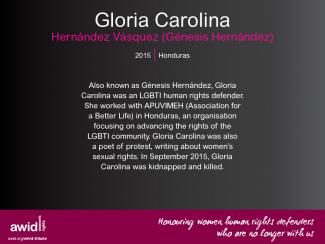
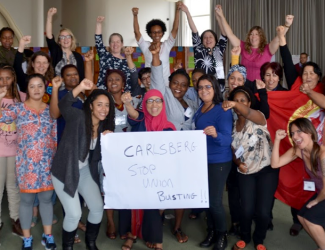
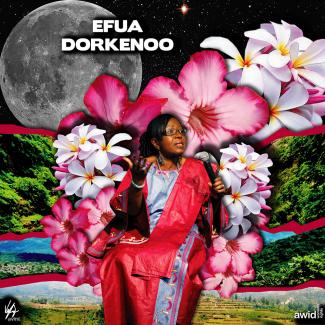

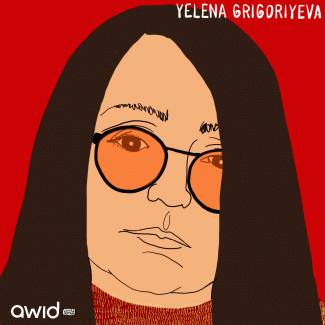
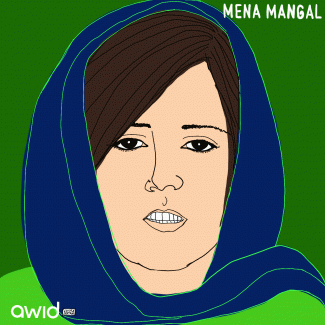

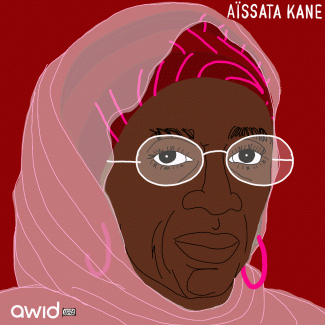
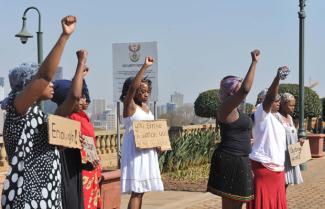
 While funders committed significantly more money to gender equality over the last decade, still only 1% of philanthropic and development funding has actually been moved to directly resource feminist-led social change.