Special Focus

AWID is an international, feminist, membership organisation committed to achieving gender equality, sustainable development and women’s human rights

AWID Forum: Co-creating Feminist Futures

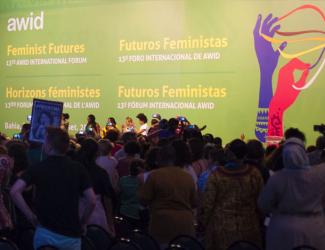
In September 2016, the 13th AWID international Forum brought together in Brazil over 1800 feminists and women’s rights advocates in a spirit of resistance and resilience.

This section highlights the gains, learnings and resources that came out of our rich conversations. We invite you to explore, share and comment!


What has happened since 2016?

One of the key takeaways from the 2016 Forum was the need to broaden and deepen our cross-movement work to address rising fascisms, fundamentalisms, corporate greed and climate change.

With this in mind, we have been working with multiple allies to grow these seeds of resistance:

And through our next strategic plan and Forum process, we are committed to keep developing ideas and deepen the learnings ignited at the 2016 Forum.

What happens now?

The world is a much different place than it was a year ago, and it will continue to change.

The next AWID Forum will take place in the Asia Pacific region (exact location and dates to be announced in 2018).

We look forward to you joining us!

About the AWID Forum

AWID Forums started in 1983, in Washington DC. Since then, the event has grown to become many things to many peoples: an iterative process of sharpening our analyses, vision and actions; a watershed moment that reinvigorates participants’ feminisms and energizes their organizing; and a political home for women human rights defenders to find sanctuary and solidarity.

Learn more about previous Forums

Related Content

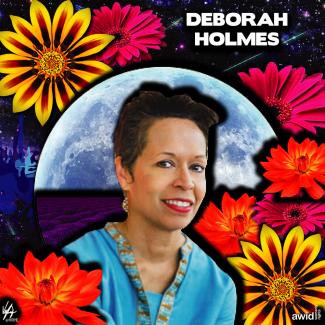
Deborah Holmes

At the time of her death, following a short but aggressive battle with cancer, Deborah was the Chief Communication and Engagement Officer at the Women’s Funding Network (WFN). 

Deborah also worked for the Global Fund for Women from 2008 to  2017. Deborah was extremely loved and respected by board, staff, and partners of Global Fund for Women.

Kavita Ramdas, former CEO of the Global Fund for Women aptly noted that Deborah was “a small package exploding with warmth, generosity, intelligence, style, and a passionate commitment to fusing beauty with justice. She understood the power of story. The power of women’s voice. The power of lived experience. The power of rising from the ashes and telling others it was possible. And, still we rise.”

Musimbi Kanyoro, the present CEO of the Global Fund for Women, added, “We have lost a sister and her life illuminates values that unite and inspire us all. As we all come together to mourn Deborah’s passing, let us remember and celebrate her remarkable, bold, and passionate life.”



Deborah Holmes, USA

2002: les discussions sur les questions relatives au financement du développement commencent

La Conférence de Monterrey sur le financement du développement a marqué le début des discussions sur les questions relatives au financement du développement.

  • Le Consensus de Monterrey a été adopté lors de cette première conférence internationale sur le financement du développement. Il s’agissait de la première réunion au sommet organisée sous l’égide des Nations Unies à traiter des questions financières fondamentales et des problématiques connexes relatives au développement mondial.
  • La conférence et  ses phases préparatoires furent le théâtre d’une coopération sans précédent entre les Nations Unies, la Banque mondiale (BM), le Fonds monétaire international (FMI) et l'Organisation mondiale du commerce (OMC),  montrant une partie des efforts entrepris pour promouvoir une cohérence et  une homogénéité plus importantes au sein des systèmes et institutions  monétaires, commerciaux et financiers internationaux.
  • Lors de cette conférence, les débats sur le financement du développement ont, pour la première fois, impliqué les gouvernements, des représentant-e-s de la société civile et le secteur privé. Ces acteurs ont porté les discussions au-delà des aspects « techniques » pour traiter des modalités de mobilisation et de canalisation des ressources financières nécessaires à la mise en œuvre des objectifs de développement internationalement convenus auparavant lors des sommets et conférences des Nations Unies des années 1990. Parmi ces objectifs figurent notamment les objectifs du Millénaire pour le développement (OMD).
  • Le Caucus des femmes a non seulement noté le caractère historique de cette conférence et déclaré que celle-ci  pouvait  permettre de relever les défis structurels qui continuaient à ralentir  le développement, mais il a aussi souligné les inquiétudes engendrées par les  conséquences de la militarisation croissante et de la montée des fondamentalismes à l’encontre des femmes, et ceci malgré le fait que le Consensus de Monterrey considérait que le système économique et financier mondial fonctionnait  au profit de toutes et tous.

Pour en savoir plus sur les six axes de Monterrey et sur les mécanismes de suivi de la conférence : Gender Issues and Concerns in Financing for Development (en anglais), par Maria Floro, Nilufer Çagatay, John Willoughby et Korkut Ertürk (INSTRAW, 2004). 

Celluloid Ishtar | Small Snippet AR

المقطع الأول 

عندما كنت في السادسة من العمر، علِمت أنّ جدّي كان يملك داراً للسينما. أخبرَتني أمّي كيف أنه افتتحها في أوائل الستينيّات، وكانت هي حينها في مثل عمري، إذ كان عمرها قُرابة الستّ سنوات. تذكّرتُ أنهم في الليلة الأولى عرضوا فيلم «صوت الموسيقى».

اقرأ أكثر

Illustration of film reel

Snippet - WITM Why now_col 1 - AR

لماذا الآن؟

A monochromatic orange illustration of a woman with curly hair with her hand on her chin. She seems to inquisitive or posing a question.

تتواجد الحركات النسوية، حركات حقوق النساء، حركات العدالة الجندرية، حركات مجتمع الميم - عين وحلفاءها/ يفاتها في مفترق شديد الأهمية وتواجه هجمات عصيبة على حقوق وحريات حصلت عليها. فتصاعد الاستبداد في الأعوام الأخيرة، وكذلك القمع العنيف للمجتمع المدني وتجريم النساء والأشخاص المتنوعين/ات جندرياً المدافعين عن حقوق الإنسان، تصاعد الحروب والأزمات في الكثير من أنحاء العالم، استمرار الظلم الاقتصادي والتقاطع بين الصحة، البيئة والأزمة المناخية.

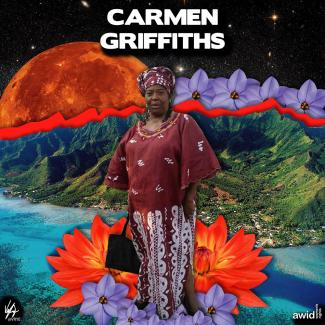
Carmen Griffiths

Carmen encabezaba el Construction Resource and Development Collective (CRDC, Colectivo de recursos para la construcción y el desarrollo) y fue fundamental para apoyar la participación de las mujeres en la industria de la construcción en Jamaica.

También trabajó con mujeres rurales y urbanas en temas relacionados a la preparación para afrontar desastres naturales. Trabajó de manera cercana con mujeres (especialmente madres solteras) enseñándoles cómo usar los cinturones para huracanes y otras tecnologías para poner sus hogares a resguardo. Trabajó en el área de agua y obras sanitarias y fue una fuerte defensora del manejo y desarrollo ambientalmente sustentable.

Fue parte de la Comisión Huairou y realizó incidencia en favor de las mujeres de base en temas vinculados a refugio, energía y medios de vida sustentables.


Carmen Griffiths, Jamaica

2010: The fourth High-level Dialogue is held

The theme of the Fourth High-level Dialogue on Financing for Development, 23-24 March 2010: The Monterrey Consensus and Doha Declaration on Financing for Development: status of implementation and tasks ahead. It had four round tables on: the reform of the international monetary and financial systems; impact of the financial crisis on foreign direct investments; international trade and private flows; and the role of financial and technical development cooperation, including innovative sources of development finance, in leveraging the mobilization of domestic and international financial resources for development.

There was also the informal interactive dialogue involving various stakeholders that focused on the link between financing for development and achieving the Millennium Development Goals. 

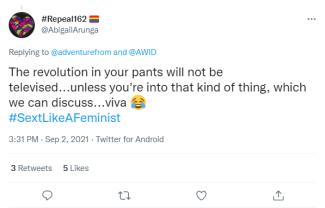
#4 - Sexting like a feminist Tweets Snippet AR

ان كنت نسوية عن حق، فإنك سترفضين التحقير الموجّه ضد الممارسات الجنسية الغرائبيّة

Image of a tweet. Text says: The revolution in your pants will not be televised... unless you're into that kind of thing. Which we can discuss... viva.

تَلفَزَتُنا للثورة تحت حزامك مشروطة بطبيعة رغباتك

Snippet - WITM RESOURCES - AR

المصادر

(متوفرة باللغة الإنجليزية)

Kate McInturff

Active dans l’organisation Peacebuild, en passant par l'Alliance canadienne féministe pour l'action internationale, Amnesty International et au Centre canadien de politiques alternatives (CCPA), Kate était une passionnée des droits des femmes et de l'égalité de genre qui a consacré sa carrière à lutter contre les inégalités et à faire du monde un lieu plus empathique.

Kate a été membre du comité de coordination de Social Watch et a contribué aux rapports nationaux canadiens de Social Watch. En tant que chercheuse principale du CCPA, Kate a été saluée dans son pays pour ses travaux de recherche, ses écrits et la production du rapport annuel intitulé « Les meilleures et les pires endroits du Canada où vivre en tant que femme ».

Entourée de sa famille, Kate est décédée paisiblement après trois ans de lutte contre le cancer du côlon. Ses proches la décrivent comme une « féministe drôle, sans peur et sans complexes ».


Kate McInturff, Canada

Marzo 2015: se publica el Borrador Cero del Documento Final

Difusión del Borrador Cero del Documento Final

  • El Borrador Cero del documento (con fecha 16 de marzo), preparado por los facilitadores, fue difundido para su discusión durante la segunda sesión redactora a realizarse del 13 al 17 de abril de 2015.
  • Durante la sesión de apertura, el WWG pidió que se incorporara al Borrador Cero la asignación de recursos específicamente para la igualdad de género y el empoderamiento de las mujeres, tal como lo estipulan el Consenso de Monterrey y la Declaración de Doha.

Upasana Agarwal Snippet EN

Upasana Agarwal

Upasana is a non binary illustrator and artist based out of Kolkata, India. Their work explores identity and personal narratives by using a visual remnant or evidence of the contexts they work with. They are especially drawn to patterns which to them communicate complex truths about the past, present and future. When Upasana is not illustrating they organise and run a queer and trans community art centre in the city. 

Upasana’s Exhibition

على من يجب تعبئة الاستطلاع؟

المجموعات، المنظمات والحركات التي تعمل خصوصاً وبالأساس على حقوق النساء، حقوق الفتيات، العدالة الجندرية، حقوق مجتمعات الميم - عين وحلفائها/يفاتها في جميع المناطق وعلى جميع المستويات، إن كانت مجموعات جديدة أو قديمة.

Mary Assad

An expert on social development and anthropologist by training, Mary was best known as a pioneer in the battle against Female Genital Mutilation (FGM).

Born in Cairo Egypt in 1922, Mary’s work in development started early, as she joined the Youth Women’s Christians’ Association (YWCA). Mary was a member of the World Council of Churches and became increasingly concerned with issues regarding women’s health. Her long struggle against FGM proved fruitful in 2008, when Egypt finally criminalized the practice.

She is remembered as a mentor to many Egyptian feminists and activists.


Mary Assad, Egypt

Qu’est-ce que le processus des Nations Unies sur le financement du développement ?

Le processus de l’Organisation des Nations Unies (ONU) sur le financement du développement (FdD) vise à traiter  différentes formes de financement du développement et de coopération pour le développement. Selon le Consensus de Monterrey, ce processus comporte six axes clés :

  • La mobilisation des ressources financières nationales au service du développement.
  • La mobilisation des ressources internationales au service du développement : investissements étrangers directs et autres flux financiers privés.
  • Le commerce international, comme moteur  du développement.
  • L’accroissement de la coopération financière et technique internationale pour le développement.
  • La dette extérieure.
  • L’examen des questions systémiques : amélioration de la cohérence et de la constance des systèmes monétaires, financiers et commerciaux internationaux en faveur du développement. 

Beijing Sin Ataduras: el poder de los movimientos feministas jóvenes

En asociación con activistas feministas jóvenes y organizaciones lideradas por jóvenes, AWID está organizando, en forma autónoma, Beijing Sin Ataduras, en paralelo con Beijing+25. 

Leer más

Что подразумевается под внешним финансированием?

Внешнее финансирование включает гранты и другие формы финансирования от благотворительных фондов, правительств, двусторонних, многосторонних или корпоративных спонсоров и индивидуальных доноров – как внутри вашей страны, так и из-за рубежа. Сюда не входят ресурсы, которые группы, организации и/или движения генерируют самостоятельно, такие как, например, членские взносы, добровольные взносы "сотрудниц(-ков), участниц(-ков) и/или сторонниц(-ков), сборы через сообщество, сдача помещений в аренду или продажа услуг. Для удобства в опрос включены определения различных видов финансирования и краткие описания различных доноров.