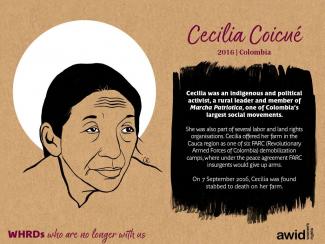
Cecilia Coicué
Esta sección de análisis especial ofrece un análisis feminista crítico y acceso a los recursos clave relacionados con la «protección de la familia» en los espacios internacionales de derechos humanos.
Durante los últimos años, venimos observando una nueva y preocupante tendencia en el ámbito internacional de derechos humanos, donde se están empleando discursos sobre la «protección de la familia» para defender violaciones cometidas contra miembros de la familia, de modo de reforzar y justificar la impunidad y para coartar la igualdad de derechos en el seno de la familia y la vida familiar.
La campaña para «proteger a la familia» es impulsada por proyectos conservadores que tienen como fin imponer interpretaciones «tradicionales» y patriarcales de familia; quitando los derechos de las manos de sus miembros para ponerlos en las de la institución «familia».
Desde 2014 un grupo de estados opera como bloque en espacios de derechos humanos, bajo el nombre «Group of Friends of the Family» [Grupo de amigos de la familia], y a partir de entonces se han aprobado resoluciones sobre la «Protección de la familia» todos los años.
Esta agenda se ha extendido más allá del Consejo de Derechos Humanos (HRC, por sus siglas en inglés). Hemos visto cómo el lenguaje regresivo sobre «la familia» se ha introducido en la Comisión de la Condición Jurídica y Social de las Mujeres (CSW, por sus siglas en inglés), y hemos asistido a intentos por incluir este lenguaje en las negociaciones sobre los Objetivos de Desarrollo Sostenible.
AWID trabaja con asociadxs y aliadxs para resistir conjuntamente las agendas regresivas de «Protección de la familia» y otras, y para defender la universalidad de los derechos humanos.
En respuesta a la creciente influencia de actores regresivos en los espacios de derechos humanos, AWID se ha unido con aliadxs para formar el Observatorio de la Universalidad de los Derechos (OURs, por sus siglas en inglés). OURs es un proyecto colaborativo que monitorea, analiza y comparte información sobre iniciativas anti-derechos tales como la «Protección de la familia».
Derechos en Riesgo, el primer informe de OURs, traza un mapa de los actores que conforman el cabildeo global anti-derechos e identifica sus discursos y estrategias principales, señalando los efectos que estos discursos y estrategias están teniendo sobre nuestros derechos humanos.
El informe expone a la «Protección de la familia» como una agenda que ha promovido la colaboración entre una amplia gama de actores regresivos en las Naciones Unidas. La describe como un marco estratégico que aloja «múltiples posiciones patriarcales y anti-derechos, cuyo marco, a su vez, apunta a justificar e institucionalizar estas posiciones».
Le cinquième Dialogue de haut niveau sur le financement du développement, organisé les 7 et 8 décembre 2011, a marqué le début des discussions relatives au programme de développement de l’après-2015 et aux liens entre ce programme et le financement du développement. La conférence a accordé une attention particulière à la question de l’accroissement de l’aide au financement des OMD. Dans ses observations finales, le Secrétaire général a appelé les membres à commencer à réfléchir sur le cadre de développement de l’après-2015.
✉️ By Invite Only
📅Tuesday, March 12
🕒2-3.30pm EST
Organiser: Observatory on the Universality of Rights (OURs) Consortium
🏢Blue Gallery, 222 E 46th St, New York
COZINHA OCUPAÇÃO 9 DE JULHO
Additional consultation sessions on the Draft Outcome Document
Es un centro comunitario, donde unx puede tomar cursos y capacitarse en actividades creativas que generan ingresos como peluquería local, cocina y creación artística. Lxs niñxs también pueden disfrutar de actividades culturales y educativas.
El MSTC no trabaja solo. Colabora con instituciones y colectivos de arte para producir experiencias culturales, deportivas y educativas, junto con el acceso crítico a la atención médica. Desde su inicio, este proyecto participativo ha sido liderado y llevado a cabo principalmente por mujeres, bajo el liderazgo de la activista afro-brasileña Carmen Silva, quien alguna vez fue una persona sin hogar.
Súmate al Women’s Working Group on Financing for Development [Grupo de Trabajo de Mujeres sobre Financiación para el Desarrollo, WWG on FfD en inglés] y entérate de cuáles son sus aportes al proceso de la FpD (también puedes enviar un mensaje electrónico a: wwgonffd@gmail.com).
Únete al Grupo de las OSC en la Conferencia Internacional sobre la FpD (en inglés) o envía un mensaje electrónico a addiscoordinatinggroup@gmail.com pidiendo sumarte: https://groups.google.com/forum/#!forum/global-social-economy).
Otros enlaces importantes para mantenerse informada/o:
L'organisation communautaire des femmes noires dans le Cauca du Nord en Colombie remonte au passé colonial du pays, marqué par le racisme, le patriarcat et le capitalisme qui ont soutenu l'esclavage comme moyen d'exploiter les riches sols de la région. Ces organisatrices sont les héroïnes d'un vaste mouvement pour l'autonomie des personnes noires, luttant pour la gestion durable des forêts et des ressources naturelles de la région, vitales pour leur culture et leur subsistance.
Depuis 25 ans, la Asociación de Mujeres Afrodescendientes del Norte del Cauca (l’Association des Femmes Afro-Descendantes du Cauca du Nord, ASOM) se consacre à la promotion de l'organisation des femmes afro-colombiennes du Cauca du Nord.
L’association a été créée en 1997 en réponse aux violations continues des droits humains, à l'absence de politiques publiques, à la gestion inadéquate des ressources naturelles et au manque d'opportunités pour les femmes dans le territoire.
Elles ont forgé la lutte pour garantir les droits ethno-territoriaux, pour mettre fin aux violences contre les femmes et pour faire reconnaître le rôle des femmes dans la construction de la paix en Colombie.
對於與“論壇活動徵集”有關的任何問題,請與我們聯繫,請使用“論壇活動徵集”作為您電子郵件的主題。

The survey is available in: Arabic, English, French, Portuguese, Russian and Spanish!
Metzineres
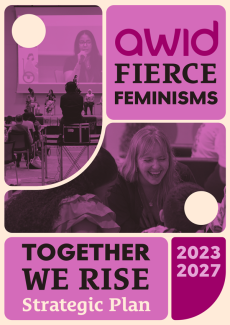
We are excited to share our new Strategic Plan (2023-2027) with the world.
Fierce Feminisms is our way forward, acknowledging both the multiplicity of feminisms and the value of fierce and unapologetic drive for justice. The state of the world and of feminist movements calls for brave conversations and action. We look forward to working together with our members, partners and funders in creating the worlds we believe in, celebrating the wins and speaking truth to power in service of feminist movements globally.
Download: Fierce Feminisms: Together We Rise
The Association for Women's Rights in Development (AWID) is a global, feminist, membership, movement-support organization.
For 40 years, AWID has been a part of an incredible ecosystem of feminist movements working to achieve gender justice and women’s human rights worldwide.
AWID envisions a world where feminist realities flourish, where resources and power are shared in ways that enable everyone, and future generations, to thrive and realize their full potential with dignity, love and respect, and where Earth nurtures life in all its diversity.
Our mission is to support feminist, women’s rights and gender justice movements to thrive, to be a driving force in challenging systems of oppression, and to co-create feminist realities.
We advance our work through these tactics:
We collaboratively leverage our access, power, resources and relationships to strategically influence policy and practice. We aim to advance feminist agendas through our work with policy makers, funders and activists in regional and global spaces. We also work to influence feminist and women’s rights movements to centre historically oppressed movements as part of efforts to strengthen our collective power and influence.
We use our convening power to facilitate dialogue and strategize on key issues. We connect our members and allies with one another, sharing and exchanging resources, ideas and action across relevant issues. We organize and facilitate spaces to strengthen and engage across movements, to imagine and envisage new futures, to develop effective influencing tactics and to co-create powerful agendas and processes.
We work to mobilize our members and the movements we support to strengthen collective action in solidarity with feminist causes and defenders at risk. We build partnerships, engage in active listening and ongoing, long-term, solidarity. We work with defenders to build a body of knowledge and support networks of solidarity on protection and wellbeing.
We recognize the unique and strategic value of cultural and creative strategies in the struggle against oppression and injustice. We work with artists who centre feminist voices and the narratives of historically oppressed communities. In this emerging tactic, we see art and creative expression helping us envision a world where feminist realities continue to flourish and be celebrated.
Our initiatives work at the intersections of the sites of change we work to address, the movements we prioritize, and the tactics we use:
We monitor, document and make visible how anti-rights actors are operating and colluding in multilateral spaces and support feminist, women’s rights and gender justice movements and allies to counter their influence and impact.
Working on extractivism, tax justice and corporate accountability, we build knowledge on corporate power and influence; advocate for corporate accountability and equitable distribution of wealth; and amplify feminist proposals for just economies.
We develop accessible, action-oriented analysis on the state of resourcing for feminist movements. We aim to influence funders’ policies and practices, deepen and sustain funding for feminist social change, and support movements’ needs and strategies.
In addition to the impact we aim to have in the world, AWID is expressly committed to strengthening our own organizational learning and resilience in order to further strengthen global feminist movements.
Without the generous funding and support from our donors, our work would not be possible