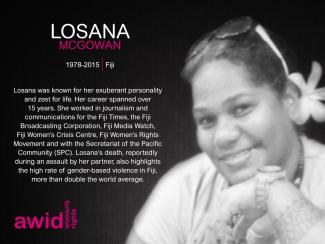
Losana McGowan
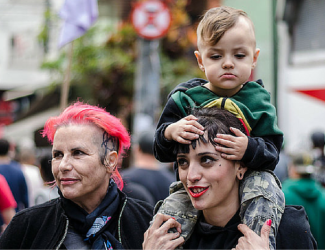
Esta sección de análisis especial ofrece un análisis feminista crítico y acceso a los recursos clave relacionados con la «protección de la familia» en los espacios internacionales de derechos humanos.
Durante los últimos años, venimos observando una nueva y preocupante tendencia en el ámbito internacional de derechos humanos, donde se están empleando discursos sobre la «protección de la familia» para defender violaciones cometidas contra miembros de la familia, de modo de reforzar y justificar la impunidad y para coartar la igualdad de derechos en el seno de la familia y la vida familiar.
La campaña para «proteger a la familia» es impulsada por proyectos conservadores que tienen como fin imponer interpretaciones «tradicionales» y patriarcales de familia; quitando los derechos de las manos de sus miembros para ponerlos en las de la institución «familia».
Desde 2014 un grupo de estados opera como bloque en espacios de derechos humanos, bajo el nombre «Group of Friends of the Family» [Grupo de amigos de la familia], y a partir de entonces se han aprobado resoluciones sobre la «Protección de la familia» todos los años.
Esta agenda se ha extendido más allá del Consejo de Derechos Humanos (HRC, por sus siglas en inglés). Hemos visto cómo el lenguaje regresivo sobre «la familia» se ha introducido en la Comisión de la Condición Jurídica y Social de las Mujeres (CSW, por sus siglas en inglés), y hemos asistido a intentos por incluir este lenguaje en las negociaciones sobre los Objetivos de Desarrollo Sostenible.
AWID trabaja con asociadxs y aliadxs para resistir conjuntamente las agendas regresivas de «Protección de la familia» y otras, y para defender la universalidad de los derechos humanos.
En respuesta a la creciente influencia de actores regresivos en los espacios de derechos humanos, AWID se ha unido con aliadxs para formar el Observatorio de la Universalidad de los Derechos (OURs, por sus siglas en inglés). OURs es un proyecto colaborativo que monitorea, analiza y comparte información sobre iniciativas anti-derechos tales como la «Protección de la familia».
Derechos en Riesgo, el primer informe de OURs, traza un mapa de los actores que conforman el cabildeo global anti-derechos e identifica sus discursos y estrategias principales, señalando los efectos que estos discursos y estrategias están teniendo sobre nuestros derechos humanos.
El informe expone a la «Protección de la familia» como una agenda que ha promovido la colaboración entre una amplia gama de actores regresivos en las Naciones Unidas. La describe como un marco estratégico que aloja «múltiples posiciones patriarcales y anti-derechos, cuyo marco, a su vez, apunta a justificar e institucionalizar estas posiciones».
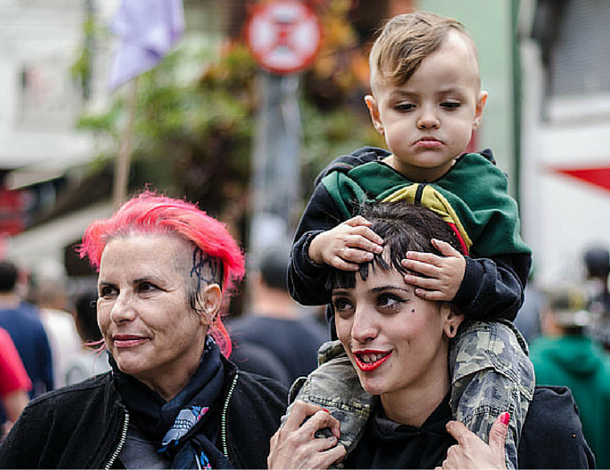
Mobilisant des coiffeurs·ses transgenres de la classe ouvrière et des reines de beauté, les leaders dynamiques du seul parti politique LGBT au monde mènent une quête historique pour élire une femme trans au Congrès philippin.
Les organisations féministes et de défense des droits des femmes ne dépendent pas uniquement des financements institutionnels, elles s’autofinancent. Nos mouvements sont animés par la passion, la solidarité, l’engagement politique et le soin collectif.
Ces ressources autonomes et autogénérées sont souvent invisibles dans les budgets, mais elles sont le pilier de notre action collective.
“Je n’adhère pas au concept de ‘tiers-monde’. Je fais des films pour que les gens puissent les comprendre indépendamment de leur race ou de leur couleur. Pour moi, il n’y a que des exploiteurs et des exploités, c’est tout. Faire un film, c’est prendre position.” - Sarah Maldoror
Son film révolutionnaire Sambizanga (1972), avec son “image révolutionnaire”, retrace la lutte de libération anticoloniale des activistes angolais et retranscrit le point de vue d’une femme qui se trouve dans ce moment historique.
“Pour beaucoup de cinéastes africains, le cinéma est un outil de la révolution, une éducation politique pour transformer les consciences. Il s’inscrivait dans l’émergence d’un cinéma du Tiers-Monde cherchant à décoloniser la pensée pour favoriser des changements radicaux dans la société.” - Sarah Maldoror
Au cours de sa carrière, Sarah a fondé, aux côtés d’un certain nombre d’artistes africain·e·s et caribéen·ne·s, la première compagnie de théâtre noire en France (1956). Elle a réalisé une quarantaine de films, y compris d’importants documentaires qui mettent en valeur les vies et l’oeuvre d’artistes noir·e·s, notamment celles de son ami et poète Aimé Césaire qui lui écrivit ceci:
“À Sarah Maldoror qui, caméra au poing,
combat l’oppression, l’aliénation
et défie la connerie humaine”.
Sarah a également voulu permettre aux femmes africaines de s'approprier davantage le processus de réalisation des films. Dans une interview, elle faisait remarquer :
"La femme africaine doit être partout. Elle doit être à l'image, derrière la caméra, au montage, à toutes les étapes de la fabrication d'un film. C'est elle qui doit parler de ses problèmes…”
Sarah a laissé un héritage incroyablement puissant qui doit être transmis.
Née le 19 juillet 1929, Sarah est décédée le 13 avril 2020 des suites de complications liées au coronavirus.
Regardez Sambizanga et lisez la critique de film parue dans le New York Times en 1973 (seulement en anglais)
La recherche documentaire peut se dérouler tout au long de votre initiative. Elle peut vous aider à encadrer vos travaux, à choisir des questions de sondage et à comprendre vos résultats.
Dans cette section
- Préciser le contexte
- S’appuyer sur les connaissances existantes
- Sources éventuelles d’information pour la recherche documentaire
1. Sites Web et rapports annuels des donateurs
2. Sources d’information en ligne
La réalisation de recherches documentaires tout au long de votre initiative peut vous aider à encadrer vos travaux, à choisir les questions de sondage et à vous fournir une clarté contextuelle, tout en rehaussant votre compréhension des résultats de votre sondage. Vous pourriez notamment comparer les similarités et les différences entre les résultats de votre sondage et l’information diffusée par la société civile et les donateurs.
Il se peut que vous déceliez des tendances dans les résultats de votre sondage et que vous souhaitiez mieux les comprendre.
Par exemple, vos données de sondage pourraient révéler que les budgets des organisations diminuent, mais cela ne vous dit pas pour quelle raison cette situation se produit. L’analyse des publications vous donne un contexte et vous révèle certaines des raisons pour lesquelles ces tendances surviennent.
La recherche documentaire garantit également que vous appuyez votre recherche sur les connaissances existantes touchant à votre sujet d’intérêt, confirmant ainsi la validité et la pertinence de vos résultats.
Vos résultats pourraient être complémentaires ou contradictoires par rapport aux connaissances actuelles, mais ils doivent faire référence aux données existantes sur le sujet.
Pour que votre recherche soit complète et englobe tout le panorama du financement qui entoure votre sujet, examinez une gamme de secteurs de financement.
Vous pouvez notamment considérer :
- Les fonds pour les femmes
- Les fondations privées et publiques
- Les organisations non gouvernementales internationales (ONGI)
- Les agences bilatérales et multilatérales
- Les acteurs et actrices du secteur privé
- Les philanthropes
- Les groupes de financement participatif
Inclure tout secteur pertinent dans le cadre de référence de votre recherche.
Par exemple, vous pourriez décider qu’il est important d’effectuer des recherches sur les organisations non gouvernementales (ONG) locales.
Voici des sources directes d’information sur les actions des bailleurs de fonds qui contiennent habituellement des renseignements sur les politiques et les budgets. Si vous réalisez vos recherches avant d’interviewer les donateurs, vos questions seront mieux ciblées et vos interviews plus solides.

• 1-2 mois
• 1 personne (ou plus) chargée de la recherche
7. Synthétisez les résultats de votre recherche
Du 2 au 5 décembre 2024, à Bangkok, en Thaïlande ! Nous nous rassemblerons au Centre national de convention de la Reine Sirikit (QSNCC) et aussi virtuellement en ligne.
some text some text some text some text some text some text some text some text some text some text some text some text
some text some text some text some text some text some text some text some text some text some text some text some text
Modèles de gouvernance alternative comme moyens de sortir de la crise climatique.
📅 Mercredi 12 novembre 2025
📍 Seminario Mar Nossa Sra Da Assunção, Pará, Brésil
Site web en anglais
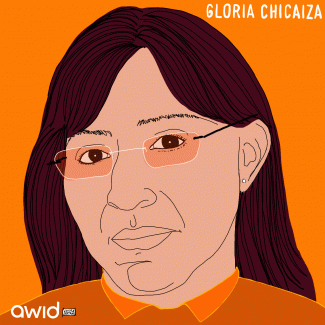
Gloria Chicaiza, an Ecuadorian social and environmental activist, was a fervent defender of land and water. She defied the status quo, fighting against a model of development based on extraction and worked tirelessly for ecological justice and the rights of communities affected by mining.
In diverse areas of Ecuador, Gloria was part of resistance actions in favour of protecting the ecosystem. With passion and dedication, Gloria supported the indigenous and environmental movement, its communities and organizations who oppose mining projects and protect their territories and collective life projects. She spoke out, in local and international foras, against the criminalization of dissent and resistance, the pressure and violence being enacted against community activists, in particular, women human rights defenders and in support of community led efforts for food sovereignty and sustainability.
She was the Mining Justice Coordinator at Acción Ecológica, member of the Latin American Network of Women Defenders of the Social and Environmental Rights and a Board member at the Observatory of Mining Conflicts of Latin America.
In October 2010, Gloria was accused by the mining company Curimining / Salazar Resources S.A. (with Headquarters in Vancouver, Canada) of sponsoring an act of terrorism, sabotage and illegal association to commit a crime. Acción Ecológica believed this to be “in retaliation for her work of denouncing the impacts of mining activities in the country.”
In 2014, Gloria supported the coordination of a delegation to the UN COP 20 Dialogue on Climate Change. The group consisted of 25 Indigenous women from Latin America.
Gloria passed away due to complications from a lung transplant on December 28, 2019. She is remembered for her resistance and tireless work.
"The fastest way to achieve sustainability is still resistance." - Gloria Chicaiza (2010 interview)
“Para GLORIA. GLORIA Agua. GLORIA Tierra. GLORIA Madre. GLORIA Revolución. GLORIA Hermana. GLORIA Cielo. GLORIAmiga. GLORIAstral. Thank you for weaving us together.” -Liliana Gutierrez
“Thank you Glorita, for sustaining hope, for keeping the fabric strong, for connecting the community, for the united hands, for solidarity, thank you Glorita for standing with us in the most difficult moments. Thank you for teaching us that throughout life, nobody gets tired.” (Chakana News)
“Gloria Chicaiza cherished and flourished in being one of many. And as humble as she was, she had an uncanny ability to lead and maintain a steady and thunderous beat, a life-affirming pulse that guided, mobilized, and inspired communities and networks in the protection of Mother Earth. She denounced all forms of violence against cuerpos-territorios. She endorsed el buen vivir.” - Gabriela Jiménez, Latin America Partnerships Coordinator, KAIROS
“Thank you Gloria Chicaiza from infinity we are sure that you will continue to support our struggle. You who continued to struggle with us despite your failing health. You will live on in the forests and the water that you defended with such courage. You will live on in our hearts.”- The community of Intag in Ecuador
In the current context, we have identified five major threats to the struggle towards feminist just economies.
“Financialisation refers to the increasing importance of financial markets, financial motives, financial institutions, and financial elites in the operation of the economy and its governing institutions both at the national and international levels”. - Gerald Epstein
Epstein Gerald A. 2006: Financialization and the World Economy. Edward Elgar Publishing.
Financial institutions exert a strong influence over economic governance and the direction of development policy. The growing dominance of the corporate sector and international financial institutions in defining local and global public policies, has resulted in the capture of the State in the interest of capital. The current financial system, including controversial credit and debt policies, are integral to the reproduction and expansion of capital accumulation processes.
This raises important questions of how to regulate and re-think the global financial system, not only to avoid serious negative consequences of debt-driven crises,but to allow for sustainable livelihoods and the realization of economic and social rights without retrogression.
For more details, see the article by Balakrishnan and Heintz “Debt, Power, and Crisis: Social Stratification and the Inequitable Governance of Financial Markets”
For the past 20 years, trade agreements (both bilateral or multilateral) have expanded their role demonstrating increased interest in Intellectual Property Rights (IPR) to be given to corporations.
IPR has clearly benefitted transnational corporations with huge impacts on the ability of poorer nations and peoples to realize human rights, notably:
In addition, agriculture import liberalisation resulting in an influx of cheap goods jeopardise women’s self-employed farmers in poor countries and food security. Investment protection clauses included in trade agreements limit the policy space of national governments to create and enforce regulations on issues as crucial as environmental protection, labour rights, and the duration of copyrights.
Feminist movements have been, and are, at the forefront of resistance to these agreements exposing its pitfalls.
(See for example, the reactions by feminist networks around the globe to both the Transatlantic and TransPacific Trade and Investment Partnership Agreement negotiations.)
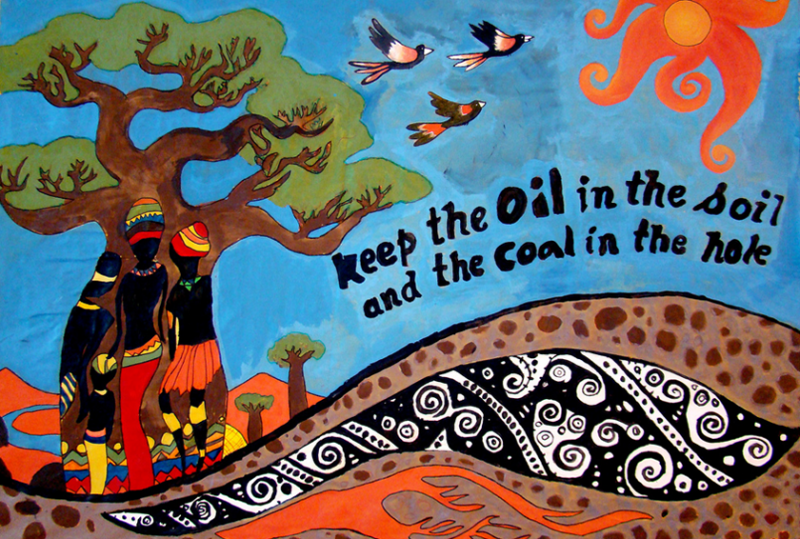
The commodification of the Earth’s resources and resulting environmental degradation and climate change produced by decades of aggressive industrialisation, plunder and extractivism of the world’s resources, have damaged biodiversity and ecological resilience. These damages are now threatening the existence of human society itself.
The international community has failed to address production and consumption patterns sitting at the root of the problem. Instead, governments –with the support of large corporations interested in making a profit - are leaning towards a “green economy” approach promoting “energy-efficient technologies” (including nuclear energy, biofuels, genetically modified organisms and geo-engineering) and carbon trade schemes as the silver bullet.
While the processes of land and resource appropriation is not new – in fact, they are central struggles in colonial histories- what is new is the advanced means by which land and natural resource wealth are becoming commodities in new markets.
International Financial Institutions play a central role in promoting land markets in developing countries. These institutions finance land reforms that enable powerful actors to use land for speculative gain in exchange of meagre promises of jobs and growth. Land-grabbing has far reaching negative impacts on local peoples’ access to essential goods and services apart from displacement and environmental degradation that are associated with it.
People who are resisting land grabbing, among them women human rights defenders, face diverse forms of violence including physical attacks and sexual abuse, on a daily basis.
This patriarchal foundation is particularly hegemonic in today’s neoliberal models.
The many ways in which political economy and development are connected to sexuality or gender is evident: think how capitalism defines what can even be characterized as labour and ties human worth to wage-labour productivity.
For the most part, women’s position in the global economy continues to be one of gender-based labour exploitation with women’s work undervalued in precarious jobs, domestic subsistence, reproduction, and in unwaged household production. Because reproductive labour has been naturalized as women's unpaid work, it has provided an immense subsidy to capitalism at the same time as a source of gender oppression and subjugation.
This situation is aggravated by the fact that as social protection mechanisms begin to dwindle, women’s care burden increases.
Further, the phenomenon of global migration spurred on by thousands of economic refugees escaping oppressive poverty across the globe is not estranged to that of capitalist gender power relations. Remittances become a major source of development financing for the families and communities, but at a major cost for women migrants who struggle to earn a living wage in their new country.
In the same vein, we have seen how patriarchal capitalist systems are using violence and oppression to maintain their status quo. Rising global expenditures in militarism and violence, both perpetrated by state and non-state actors, is increasingly used to control dissent, women’s bodies and voice and settle economic, political and social disputes.
Across the world, violence, incarceration and discrimination disproportionately targets
An intersectional analysis linking gender, race, ethnicity, age, ability, nationality, sexual orientation and gender identity, among other status is needed to challenge structural violence and its links with a capitalist global system.
A profound crisis in the current global governance system is also evident in the feeble inter-governmental agreements reached and how they often lack the most fundamental accountability mechanisms. The multilateral system that served global governance before is failing to respond to the current multiple crises. The same system continues to be deeply undemocratic, with increasing presence and power by corporations occupying the spaces where States used to be.
These threats challenge feminists to re-think our framework and strategies. To renew and reactivate our commitment to movement building with others for a just economy.
They challenge us to consider broad agendas for socio-economic transformations, from a feminist perspective, in ways that address the realities of the majority of the impoverished. Now is the time to bring about change for a just economy and to address the persistent systemic challenges.
Please calculate your costs of travel to Bangkok, accommodations and per diem, visa, any accessibility needs, and incidentals, on top of a registration fee that will be announced soon. Hotels in the Sukhumvit area in Bangkok range from USD$50 to $200 per night, double occupancy.
AWID members receive a discount at registration, so if you are not a member yet, we invite you to consider becoming a member and joining our global feminist community.

Un réseau complexe et mouvant d’antidroits exerce une influence croissante dans les sphères internationales et les politiques locales. Souvent soutenu·e·s par des financements d’origine imprécise, ces acteur·rice·s renforcent leur impact en créant des alliances tactiques entre thématiques, régions et croyances.
Lorena Borjas, una mujer trans latina y activista, vivía y trabajaba en el barrio de Jackson Heights de Queens, en la ciudad de Nueva York. En esas calles, cuidó de su comunidad durante años, defendiendo los derechos de las personas trans e inmigrantes, apoyando a lxs sobrevivientes del tráfico humano y del abuso, y haciendo campaña por los derechos de lxs trabajadorxs sexuales y de las personas que viven con VIH y SIDA.
Lorena era fuerte e incansable en su lucha por apoyar, defender y proteger a quienes son más marginalizadxs y discriminadxs por la transfobia, la misoginia y el racismo.
«Ella nos empujaba a brillar auténticamente, a convertirnos en un grito de subversión que dice “Aquí estoy, y merezco felicidad también”.» - Cecilia Gentili, activista trans amiga de Lorena
Luego de haber enfrentado ella misma numerosos traumas y dificultades como mujer trans inmigrante y víctima de tráfico humano, recabó conocimientos y memoria emocional de la fuente de sus propias experiencias para ayudar a construir y fortalecer la comunidad de la cual era parte, y que era parte de ella. Algunas de las formas en que llevó esto a cabo fue organizando y movilizando apoyo, que abarcaba desde proveer preservativos y conectar a las mujeres trans con distintos servicios sociales, hasta armar una clínica para el testeo de VIH en su propia casa.
«Era un alma tan bella que ayudaba a otrxs, aun cuando su propio camino era difícil y doloroso como inmigrante, como inmigrante trans. Creía que la comunidad trans necesitaba amor, aceptación, y compasión, y lo daba todo.» - Luchia Dragosh, supervisora de producción de QPTV de un documental sobre Lorena
En sus más de 25 años de activismo, también fundó con Chase Strangio (abogadx y activista por los derechos trans) el Lorena Borjas Community Fund. Este fondo ayuda a lxs diferentes integrantes de su comunidad (y en especial a las personas trans) que lidian con problemas de inmigración, para evitar el ciclo de arresto-cárcel-deportación.
Lorena falleció en marzo de 2020 por complicaciones derivadas del COVID-19.
Su enorme y hermoso legado será llevado adelante a través de las calles de Queens por la red y la comunidad que ella ayudó a crear.
« Continuaremos su trabajo desde donde ella lo dejó, un trabajo que es esencial para el bienestar de “mis pájaras”, como llamaba Lorena a las chicas trans de Queens que protegía bajo su ala.» - Cecilia Gentili
«Lorena nos trajo luz, cuando atravesábamos tiempos muy oscuros aquí en Nueva York. Nos trajo luz cuando tuvimos que enfrentar la epidemia del crack, cuando tuvimos que enfrentar la crisis del SIDA, cuando tuvimos que enfrentar los cambios en las políticas de inmigración.» - Cristina Herrera, fundadora y CEO de Translatina Network y amiga de Lorena
«Lorena ha hecho más que nadie que yo conozca para arrojar luz sobre la epidemia del tráfico en las comunidades transgénero y para ayudar a otras mujeres trans a escapar de la explotación.» - Lynly Egyes, representante de Borjas en nombre del Transgender Law Center
Mira un documental sobre Lorena Borjas (solo en inglés)
Lee un artículo publicado en The New Yorker sobre Lorena Borjas (solo en inglés)
Lee una nota de opinión de Cecilia Gentili publicada en The New York Times (solo en inglés)

La activista y académica Soma Kishore Parthasarathy señala que existen diversas formas de pensar los bienes comunes.
En un sentido más convencional, se los entiende como recursos naturales destinados a ser usados por quienes dependen de su uso. Sin embargo, el concepto de «bienes comunes» se ha expandido para incluir recursos como los conocimientos, la herencia, la cultura, espacios virtuales e incluso el clima. Es un concepto anterior al régimen de propiedad individual y que aportó las bases para la organización social. Las definiciones que aportan las entidades gubernamentales limitan su alcance a los recursos de la tierra y materiales.
El concepto de los bienes comunes se apoya en la práctica cultural de compartir espacios de subsistencia y recursos como dones de la naturaleza, para el bien común, y para la sostenibilidad de lo que es común a todxs.
Los bienes comunes de la humanidad están cada vez más amenazados porque las naciones y fuerzas del mercado continúan colonizándolos, explotándolos y ocupándolos.
En algunos contextos favorables, los «bienes comunes» tienen el potencial de habilitar una posición de autonomía sobre todo para las mujeres bajo opresión económica desde la que pueden negociar sus múltiples necesidades y aspiraciones.
Cuando a las mujeres y a otros géneros oprimidos se les niega el acceso a los bienes comunes y la posibilidad de controlarlos, se refuerza el patriarcado.
Por eso, una economía feminista busca restaurar los derechos legítimos de las comunidades a estos recursos comunes. Esa autonomía les permite mantenerse a sí mismas al mismo tiempo que desarrollan sistemas más igualitarios de gobernabilidad y de uso de esos recursos. Una economía feminista reconoce los roles de las mujeres y les ofrece las mismas oportunidades para tomar decisiones, es decir, las coloca en igualdad de condiciones como demandantes de esos recursos.
Somos plenamente conscientes de los obstáculos prácticos y la angustia emocional asociada con los viajes internacionales, especialmente desde el Sur Global. AWID está trabajando con la Oficina de Convenciones y Exhibiciones de Tailandia para brindar apoyo a lxs participantes del Foro en la obtención de visas. En el momento de la inscripción se facilitará más información sobre esta ayuda para la obtención de visados, incluidos los datos de contacto para saber dónde y cómo solicitarla.
Follow our feminist superhero as she reclaims the narrative from anti-rights actors across the globe and saves the day, in this comic by illustrator Sophia Andreazza.