Confronting Extractivism & Corporate Power

Women human rights defenders (WHRDs) worldwide defend their lands, livelihoods and communities from extractive industries and corporate power. They stand against powerful economic and political interests driving land theft, displacement of communities, loss of livelihoods, and environmental degradation.


Why resist extractive industries?

Extractivism is an economic and political model of development that commodifies nature and prioritizes profit over human rights and the environment. Rooted in colonial history, it reinforces social and economic inequalities locally and globally. Often, Black, rural and Indigenous women are the most affected by extractivism, and are largely excluded from decision-making. Defying these patriarchal and neo-colonial forces, women rise in defense of rights, lands, people and nature.

Critical risks and gender-specific violence

WHRDs confronting extractive industries experience a range of risks, threats and violations, including criminalization, stigmatization, violence and intimidation.  Their stories reveal a strong aspect of gendered and sexualized violence. Perpetrators include state and local authorities, corporations, police, military, paramilitary and private security forces, and at times their own communities.

Acting together

AWID and the Women Human Rights Defenders International Coalition (WHRD-IC) are pleased to announce “Women Human Rights Defenders Confronting Extractivism and Corporate Power”; a cross-regional research project documenting the lived experiences of WHRDs from Asia, Africa and Latin America.

We encourage activists, members of social movements, organized civil society, donors and policy makers to read and use these products for advocacy, education and inspiration.

Share your experience and questions!

Tell us how you are using the resources on WHRDs Confronting extractivism and corporate power.

◾️ How can these resources support your activism and advocacy?

◾️ What additional information or knowledge do you need to make the best use of these resources?

Share your feedback


Thank you!

AWID acknowledges with gratitude the invaluable input of every Woman Human Rights Defender who participated in this project. This project was made possible thanks to your willingness to generously and openly share your experiences and learnings. Your courage, creativity and resilience is an inspiration for us all. Thank you!

Related Content

Présentez la candidature de féministes passionnant·es pour le Conseil d’administration de l’AWID

Chaque année, à l’AWID, nous visons à renouveler et enrichir les points de vue et expériences que reflète notre Conseil d’administration (CA) en accueillant d’autres membres.

Nous sommes actuellement à la recherche de personnes pour servir des mandats de trois ans au CA de l’AWID, à partir du début de l’année 2024. Il s’agit d’une occasion de contribuer à la gouvernance de notre organisation, et d’intégrer un groupe extraordinaire de féministes du monde entier.
 
Merci de nous aider à identifier avant le 10 août 2023 des candidatures de féministes à la fois réfléchi·es et engagé·es .

Transmettre la candidature

Merci de transférer également cette invitation aux candidat·es dans vos réseaux 

Qui recherchons-nous ?

Nous recherchons avant tout des candidat·es engagé·es en faveur de la mission de l’AWID, qui peuvent faire le lien entre les luttes locales et mondiales. Ces personnes seront également en mesure de nous aider à tirer, de manière intentionnelle, le meilleur parti du positionnement et des atouts de l’AWID dans un contexte en constante évolution. Les candidat·es doivent être disposé·es à assumer les fonctions et endosser les responsabilités juridiques du CA de l’AWID, dans l’intérêt supérieur de l’organisation.

Il s’agit d’une fonction bénévole, qui nécessite une implication et un engagement tout au long de l’année. Il est attendu des membres du CA une participation à 10 à 15 journées de réunion par an minimum, en personne ou en ligne, et qu’elles et ils contribuent de leur temps et leur expertise, selon les besoins du CA.
 
Nous souhaitons que le CA reflète la diversité des mouvements féministes du monde entier, tant en matière d’identités que de géographies, de contextes et d’affiliations. Nous recherchons, en outre, des membres du CA ayant de l’expérience dans l’un des domaines de travail de l’AWID.
 

Nous invitons vivement tous les candidats à postuler. Nous étudierons toutes les candidatures reçues, mais compte tenu de la composition du CA actuel, nous accorderons la priorité à :

des candidatures démontrant une solide expérience dans les domaines suivants :

  • droits et justice des personnes en situation de handicap
  • Les droits LGBTQI+, et en particulier les mouvements de droits trans

des candidatures des régions suivantes :

  • Amérique du Sud
  • Caraïbe

Ce que le Conseil d’administration apporte à l’AWID

Le Conseil d’administration joue un rôle déterminant au niveau de la définition de l’orientation stratégique de l’AWID et du soutien à l’organisation dans l’accomplissement de sa mission, en cohérence avec le monde dans lequel nous vivons et les besoins de nos mouvements.
 
Les membres du CA contribuent au fonctionnement de l’organisation de diverses manières : en apportant une expérience d’autres espaces, des perspectives de divers mouvements féministes et un savoir-faire conséquent dans des domaines pertinents alignés sur la stratégie de l’AWID.
 
Les candidates élues et candidats élus rejoindront le CA de l’AWID en 2024 et nous accompagneront tout au long du tant attendu Forum international de l’AWID et de la mise en œuvre de notre plan stratégique.

Connaissez-vous quelqu’un qui corresponde à ce profil ?

Transmettre la candidature

(Vous pouvez déposer votre candidature ou celle d’une autre personne, avec son consentement.)

Merci de partager également cette invitation à candidatures au sein de vos réseaux !

Si tout le monde peut proposer une candidature au Conseil d’administration de l’AWID, le vote, quant à lui, est réservé aux membres de l’AWID. Adhérez dès aujourd’hui !

D’avance, merci de votre aide à trouver les membres [MB2] extraordinaires de notre prochain Conseil d’administration, qui soutiendront l’AWID lors des étapes à venir !
Body

Snippet FEA NSS Quote (FR)

« Les savoirs et pratiques indigènes ont toujours soutenu la souveraineté alimentaire, et ce savoir-faire est entre les mains des femmes [...] L'écoféminisme pour moi, c'est le respect de tout ce que nous avons autour de nous » -

Mariama Sonko

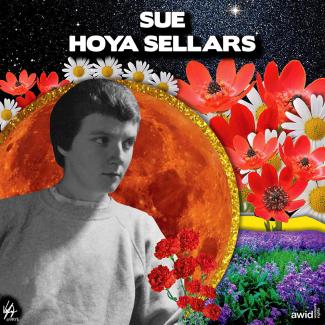
Sue Hoya Sellars

Sue was an artist, activist and teacher born in 1936 in Maryland, USA.

Sue created art for women, about women. As a lesbian feminist, and for a time, a separatist, she was committed to creating women-only spaces. In 1976 she purchased land that is still held by women who visit to make art. Sue took a fierce stand on the protection of women and girls.

With her groundbreaking futuristic, classical and anthropological approach, she filled any room she entered with intellect, authentic eccentricity, unforgiving wit, and humor.  Her ideas about consciousness and creativity continue to inspire many people.


Sue Hoya Sellars, USA

Snippet - WITM about research - PT

Sobre o inquérito WITM

O inquérito global do WITM é um pilar fundamental da terceira edição da nossa investigação orientada para a ação: "Onde está o dinheiro para a organização feminista" (abreviado, "Onde está o dinheiro" ou WITM). Os resultados do inquérito serão aprofundados e explorados através de conversas profundas com ativistas e financiadores, e comparados com outras análises e investigações existentes sobre o estado do financiamento para feministas e para a igualdade de género globalmente

O relatório completo "Onde está o dinheiro para a organização feminista" será publicado em 2026.

Para mais informações sobre como a AWID tem chamado a atenção para o dinheiro a favor de e contra os movimentos feministas, consulte a nossa história do WITM e os nossos relatórios anteriores aqui.
Resourcing Feminist Movements

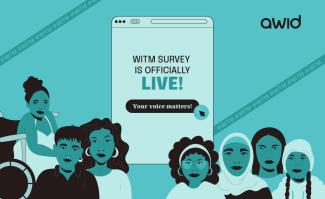
Banner image announcing that WITM Survey is live.


The “Where is the Money?” #WITM survey is now live! Dive in and share your experience with funding your organizing with feminists around the world.

Learn more and take the survey


Around the world, feminist, women’s rights, and allied movements are confronting power and reimagining a politics of liberation. The contributions that fuel this work come in many forms, from financial and political resources to daily acts of resistance and survival.


AWID’s Resourcing Feminist Movements (RFM) Initiative shines a light on the current funding ecosystem, which range from self-generated models of resourcing to more formal funding streams.

Through our research and analysis, we examine how funding practices can better serve our movements. We critically explore the contradictions in “funding” social transformation, especially in the face of increasing political repression, anti-rights agendas, and rising corporate power. Above all, we build collective strategies that support thriving, robust, and resilient movements.


Our Actions

Recognizing the richness of our movements and responding to the current moment, we:

  • Create and amplify alternatives: We amplify funding practices that center activists’ own priorities and engage a diverse range of funders and activists in crafting new, dynamic models  for resourcing feminist movements, particularly in the context of closing civil society space.

  • Build knowledge: We explore, exchange, and strengthen knowledge about how movements are attracting, organizing, and using the resources they need to accomplish meaningful change.

  • Advocate: We work in partnerships, such as the Count Me In! Consortium, to influence funding agendas and open space for feminist movements to be in direct dialogue to shift power and money.

Related Content

Body

Snippet FEA argentina history cooperatives (EN)

Argentina has a long history of worker-run cooperatives and workplaces.

In 2001, the country experienced one of the worst economic crises in its history.

As a response to the recession and a form of resistance and resilience, workers across the country started occupying their workplaces.

The Nadia Echazú Textile Cooperative was the first cooperative created by and for trans and travesti people in search of economic autonomy and decent living conditions.

It provides work opportunities, access to social security, sustainable income and economic rights for the communities it serves.

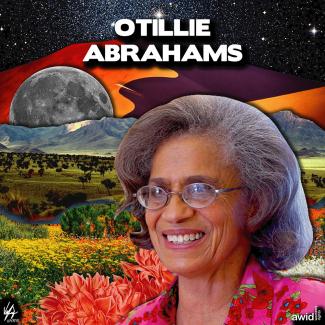
Ottilie Abrahams

Ottilie fue una activista feminista, educadora y política de Namibia.

Fue una de las fundadoras de la Organización Popular del Sudoeste Africano (SWAPO), del Club Yu Chi Chan (un grupo armado revolucionario) y del Frente Nacional de Liberación del Sudoeste Africano (SWANLIF). También fue una de las fundadoras de la Asociación de Mujeres de Namibia y del Proyecto Niñas. A lo largo de su vida, Ottilie defendió el derecho a discutir, a pensar, a disputar y a exigir. Movilizó a las mujeres, organizó a estudiantes y docentes y criticó a otrxs camaradas por su elitismo y su corrupción.

Ottilie trabajó intensamente para desmantelar el patriarcado y para crear una democracia participativa concreta, feminista, transformadora y liberadora.

A menudo decía: «Descansaré cuando muera».


Ottilie Abrahams, Namibia

ما هو الهدف من استطلاع "أين المال"؟

الهدف الأساسي من وراء استطلاع "أين المال" هو تسليط الضوء على على وقائع التمويل المتنوّعة والمركّبة للحركات النسوية، حركات النساء، حركات العدالة الجندرية وحركات مجتمع الميم - عين والحركات الحليفة لها على المستوى العالمي. بناءاً على هذا، وبناءً على ذلك - تعزيز قضية تحويل أموال أكثر وأفضل وتحويل السلطة باتجاه الحركات النسوية.

Body

Snippet FEA Life expectancy of a trans and travesti (ES)

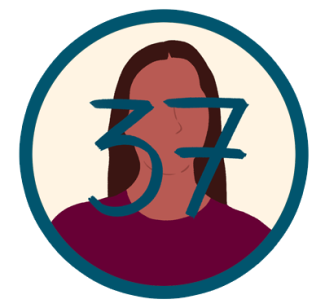
This illustration depicts a faceless person with long dark hair and a burgundy shirt, with the number 37 written across the image (37 being the life expectancy of a trans and travesti person in Argentina)

La expectativa de vida de una persona trans y travesti en Argentina es de 37 años - la edad promedio de la población general es de 77 años.

Mary Assaad

Experte en développement social et anthropologue de formation, Mary était surtout connue pour être une pionnière de la lutte contre les mutilations génitales féminines (MGF).

Née au Caire en 1922, les travaux de Mary en matière de développement ont commencé tôt, dès son adhésion à la YWCA (Association chrétienne des jeunes femmes). Mary était membre du Conseil œcuménique des Églises et s'est progressivement intéressée aux questions relatives à la santé des femmes. Sa longue lutte contre les MGF a porté ses fruits en 2008, lorsque l'Egypte a finalement criminalisé cette pratique.

On se souvient d'elle comme d'une mentor pour de nombreuses féministes et militant-e-s égyptien-ne-s


Mary Assad, Egypt

Мы распределяем деньги среди наших грантополучающих партнерок(-ров) и являемся феминистским и/или женским фондом – можем ли мы участвовать в опросе?

Нет, мы высоко ценим вашу работу, но в данный момент мы не просим откликов от женских и феминистских фондов. Мы будем рады, если вы поделитесь информацией об опросе со своими партнерками(-рами) и контактами внутри феминистской сети.

Main image
cfa_header_v8.2.png
Body

Snippet FEA Financial Precarities (FR)

Cette image représente une personne sans visage aux cheveux noirs, aux lunettes jaunes et à la chemise bleu canard à col en V, qui écrit sur une feuille de papier bordeaux avec un crayon jaune.
LA PRÉCARITÉ FINANCIÈRE
est constante

Peni Moore

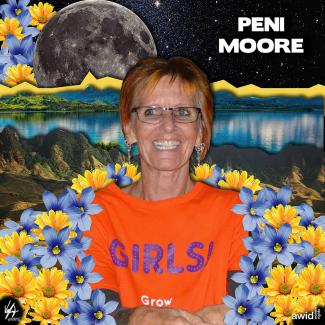
Peni was a radical feminist philosopher, poet, writer, playwright and songwriter.

As the first coordinator for the Fiji Women’s Rights Movement, she left a legacy that was infused with her deep concern for women’s human rights, justice and peace. Peni’s commitment to social, economic and ecological justice and her outstanding work gained local and international respect. She was one of the first in mainstream feminist movements in Fiji to work with, and beside LGBTQI people as a real accomplice, and provided practical assistance to the early Fiji sex worker movement.

Her colleagues described her as a formidable individual and visionary leader for change. She inspired many by her creativity and courage. Her work provided platforms for people to be heard, attain new skills and forge new pathways both at the personal and community level.


Peni Moore, Fiji